Response:
Hyperplastic colon polyps are benign lesions formed by the excessive proliferation of epithelial cells in the colon lining. They are a common type of colorectal polyp.
These polyps often appear in the rectum and sigmoid colon. Most are small, under 5 mm, with a smooth surface and a color similar to the surrounding mucosa. They are primarily discovered incidentally during colorectal endoscopy. Polyps can appear individually or as multiple polyps simultaneously.
The exact cause of hyperplastic polyps has not been determined. However, several factors increase the risk, including advanced age, a diet low in fiber and high in red meat and processed foods, smoking, heavy alcohol consumption, obesity, and chronic gastrointestinal inflammation.
Most hyperplastic polyps do not progress to cancer. However, some cases require close monitoring, especially when polyps are large, numerous, located in the right colon, or belong to the serrated lesion group, as they have the potential to develop into colorectal cancer.
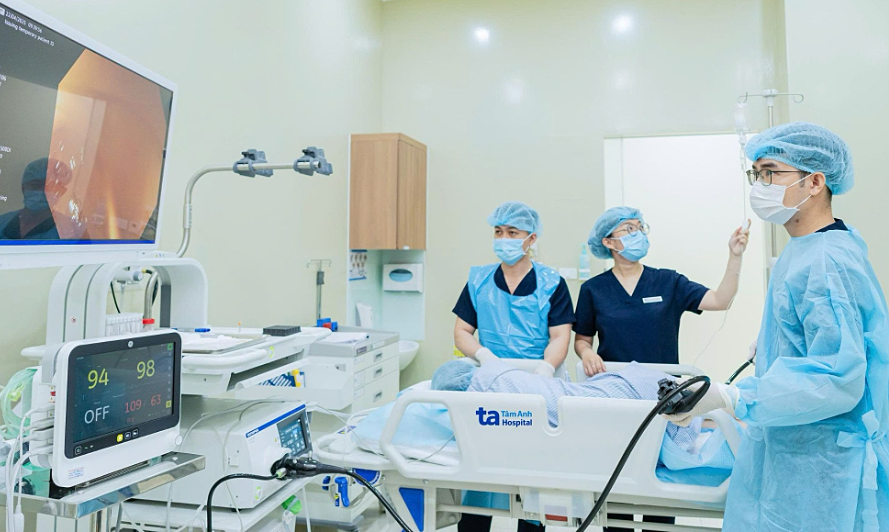 |
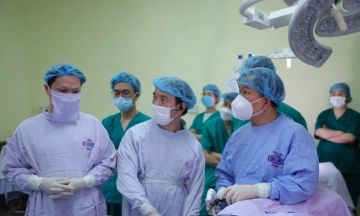
Doctor Lai performs a colonoscopy for a patient. Photo: Tam Anh General Hospital |
You should schedule regular follow-up appointments and undergo colorectal endoscopies as advised by your doctor. This allows the doctor to assess the location, number, size, and morphology of the lesions. Your doctor may recommend removal, followed by pathological analysis to confirm the diagnosis and rule out precancerous or cancerous risks.
The primary treatment method is endoscopic polypectomy to remove the lesion and prevent future progression. For small polyps, doctors can remove them with forceps or a snare. In cases of large polyps, multiple polyps, or suspected precancerous lesions, patients may undergo specialized endoscopic interventional techniques such as endoscopic mucosal resection (EMR), endoscopic submucosal dissection (ESD), or surgery when necessary.
After treatment, patients need to attend follow-up appointments and endoscopies as scheduled by their doctor. Maintaining a diet rich in fiber, increasing green vegetables and fruits, limiting red meat and processed foods, refraining from smoking, and reducing alcohol consumption are crucial. Additionally, weight management and regular exercise contribute to reducing the risk of new polyp formation and protecting the colon and rectum.
Doctor, Level I Specialist Nguyen Ngoc Lai
Digestive Endoscopy Unit
Tam Anh General Clinic District 7
| Readers can ask questions about digestive diseases here for doctors to answer |