Premature infants, born before 37 weeks of gestation, have incompletely developed lungs, with an insufficient number of alveoli compared to full-term infants. Their alveoli are prone to collapse due to a lack of surfactant, and their respiratory muscles are weak, often leading to irregular breathing.
Dr. Nguyen Van Toan, Deputy Head of the Neonatology Department at Tam Anh General Hospital Hanoi, states that the goal of respiratory support for premature infants is to ensure adequate oxygen intake, CO2 expulsion, reduce breathing effort, and limit lung damage. Doctors select the appropriate method based on gestational age, weight, severity of respiratory distress, and co-existing medical conditions.
Oxygen therapy
Oxygen therapy is typically used when infants can breathe independently but have low blood oxygen saturation (SpO2) and are not experiencing severe respiratory distress syndrome (RDS). It is often reserved for premature infants around 36 weeks gestation. Oxygen can be delivered via nasal cannula (low-flow oxygen) or high-flow nasal cannula (HFNC), depending on the infant's condition.
This method increases oxygen delivery to the lungs, improving cyanosis, rapid breathing, and low oxygen saturation. Infants are continuously monitored with a pulse oximeter (SpO2 monitor) to allow doctors to adjust oxygen levels as needed.
Continuous positive airway pressure
When infants can still breathe on their own but their lungs are poorly expanded, showing signs of postnatal respiratory distress, doctors may administer continuous positive airway pressure (CPAP) via the nose. The device generates a gentle airflow through two small nasal prongs, preventing the alveoli in the lungs from collapsing after each breath.
By keeping the lungs well-expanded, infants achieve effective oxygen exchange, reducing grunting, chest retractions, and breathing effort. CPAP is often used for premature infants with mild to moderate respiratory distress or after extubation from mechanical ventilation to gradually transition them to spontaneous breathing.
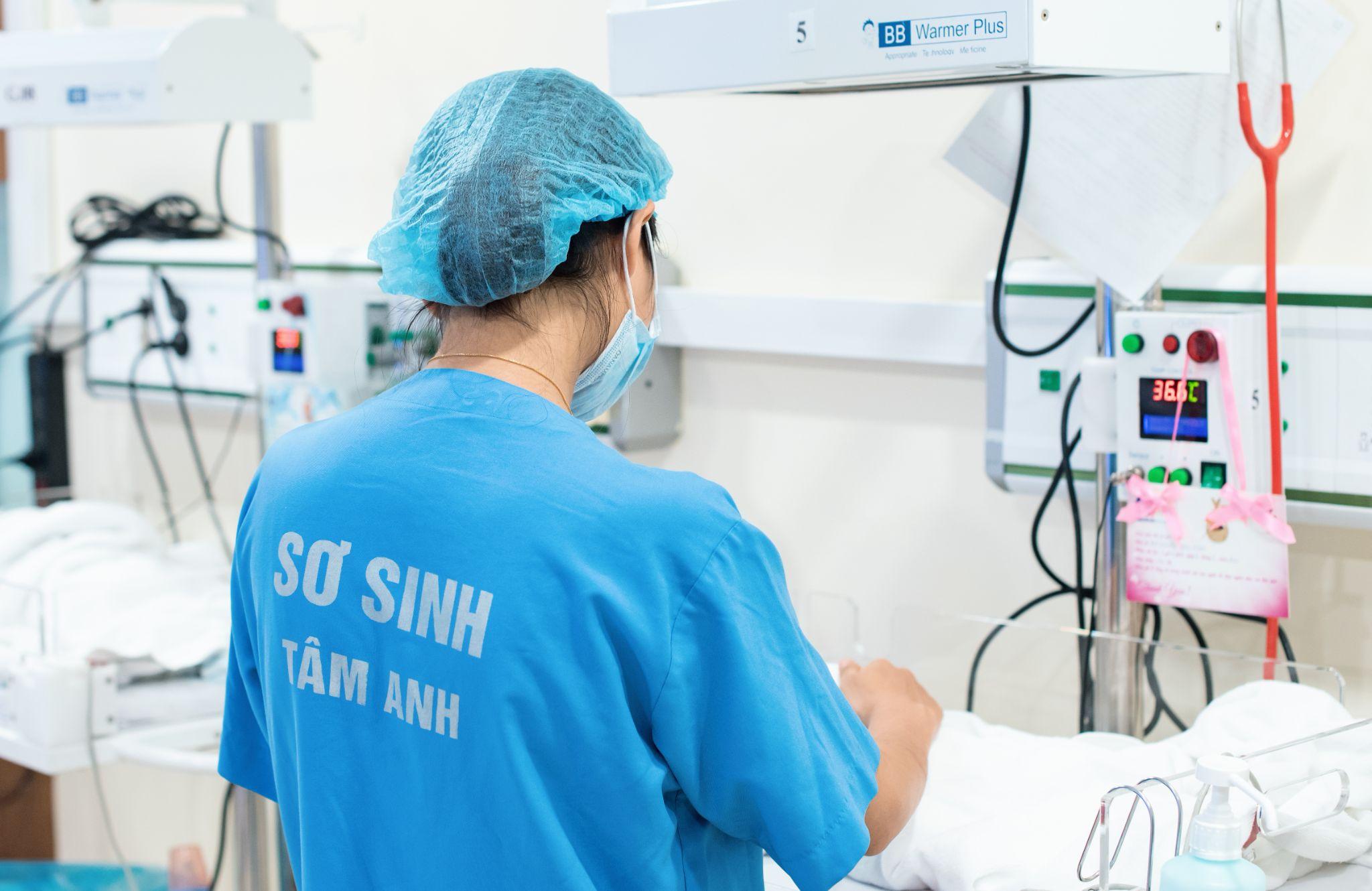 |
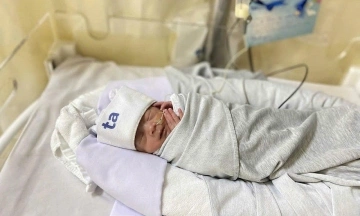
A doctor monitors the respiratory function of a premature infant. Photo: Tam Anh General Hospital
Non-invasive ventilation
Some premature infants exhibit weaker breathing, severe respiratory distress, frequent apneic episodes, or do not respond to CPAP. In such cases, doctors may opt for non-invasive ventilation. This method provides respiratory support via the nose, eliminating the need for an endotracheal tube in the trachea.
Non-invasive ventilation helps infants breathe more easily, increases blood oxygen levels, and supports the immature lungs in functioning effectively. This method is typically employed when infants require more significant respiratory support but do not yet need tracheal intubation.
Invasive mechanical ventilation
Invasive mechanical ventilation is used for infants with severe respiratory distress who cannot breathe adequately on their own or who have failed less invasive support methods. Doctors insert an endotracheal tube through the mouth or nose into the trachea, connecting it to a ventilator to control or assist breathing.
The ventilator delivers air to the lungs with precisely adjusted pressure, volume, and oxygen concentration. This measure is essential for premature infants with severe respiratory distress due to surfactant deficiency (a substance that prevents air sacs in the lungs from collapsing), infection, pneumonia, birth asphyxia, or prolonged apneic episodes.
Invasive mechanical ventilation also carries risks of lung injury if the pressure or volume of air is inappropriate. Infants are susceptible to ventilator-associated infections, airway irritation, lung collapse, or chronic lung disease if prolonged support is required. Therefore, doctors always strive to use the lowest effective settings and wean infants off the ventilator as soon as they meet the criteria.
Dr. Toan emphasizes that proper respiratory support helps premature infants overcome the critical period of immature lungs, reduces the risk of complications, and enhances their chances for stable development. The selection of a method must be individualized, involving collaboration among neonatologists, intensivists, and respiratory specialists.
Parents should not administer oxygen therapy, use nebulizers, perform deep nasal suctioning, or give respiratory medications at home without medical instruction. For premature infants, with their small airways and sensitive lungs, incorrect interventions can worsen their condition.
Van Anh
| Readers can send questions about respiratory illnesses here for doctors to answer. |