Coughing and a runny nose are natural protective responses when the upper respiratory tract lining is irritated or infected. When the weather changes, sudden shifts in temperature and humidity cause the lining of a child's nose and throat to produce more mucus, leading to a runny nose. This mucus then drains into the throat, triggering a cough reflex, especially at night when the child is lying down. These symptoms typically improve after 7-10 days.
Many parents worry that using an air conditioner will worsen their child's illness. In reality, this device does not cause coughing or a runny nose. Families should use it correctly to protect their child's health.
An air conditioner helps maintain a stable room temperature, reducing the temperature difference between indoors and outdoors. However, if the temperature is set too low, the air in the room becomes dry, drying out the child's nasal and throat lining. This makes phlegm thicker and harder to clear, leading to more frequent coughing. Direct airflow to the child's face or chest can also irritate the respiratory tract.
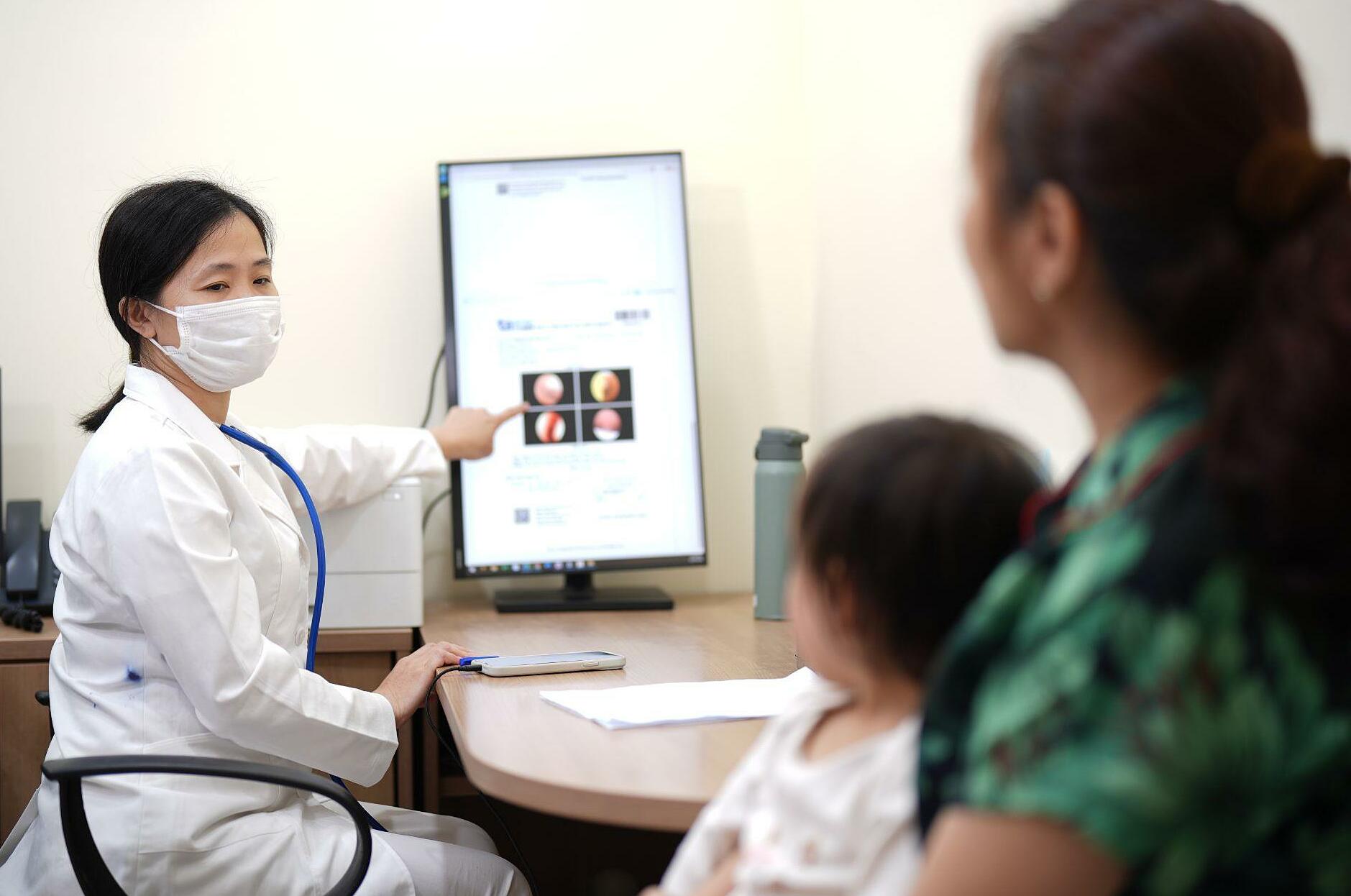 |
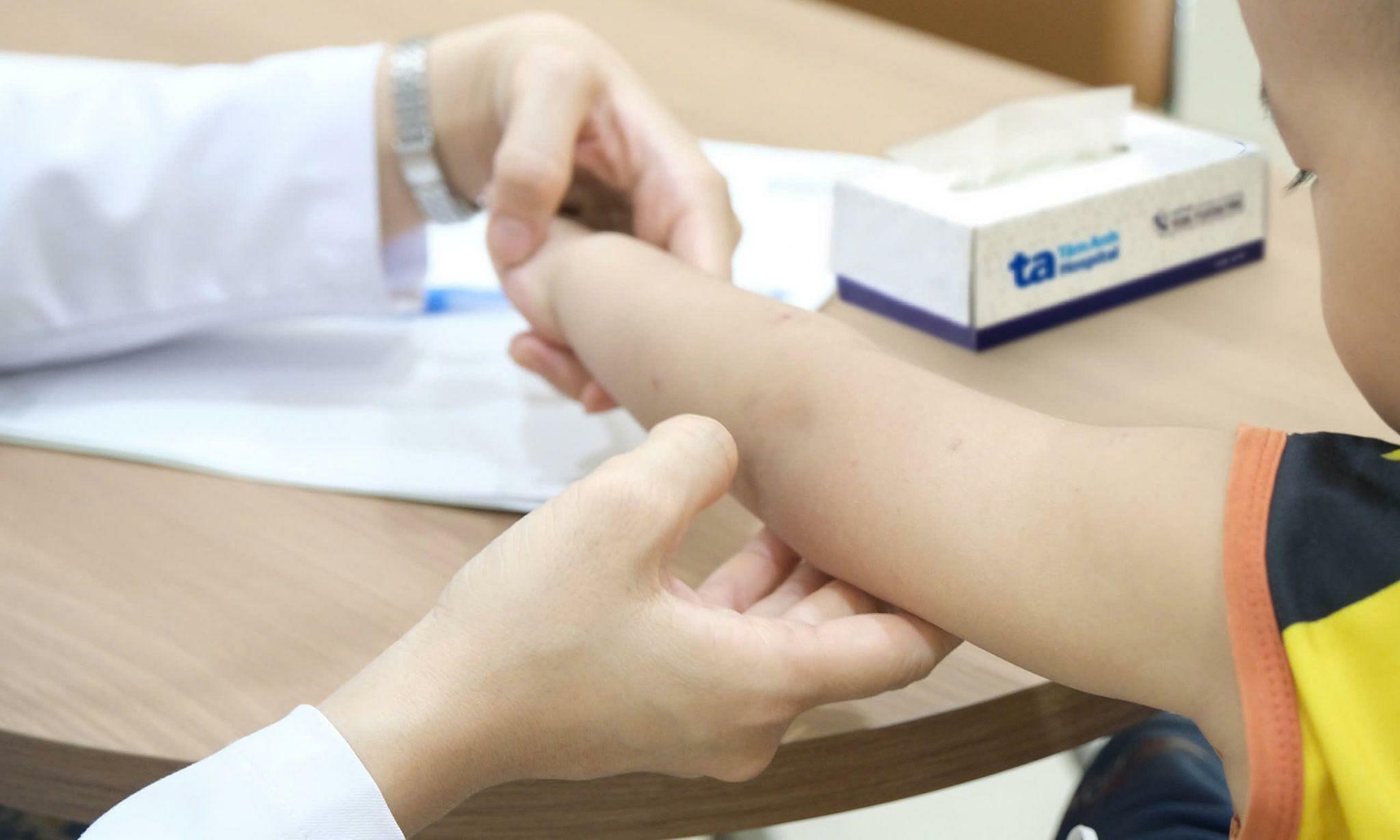
A doctor advises a family to use physiological saline drops to help clear the baby's airways and thin mucus. Photo: Tam Anh General Hospital |
While a fan does not cool the air, its direct airflow can disperse dust and allergens in the room, irritating a child's already sensitive nasal and throat lining. If a child sweats and is continuously exposed to fan air, the risk of catching a chill also increases.
Parents should maintain an air conditioner temperature of approximately 26-28 degrees Celsius, avoiding excessively cold settings. Ensure the airflow does not blow directly onto the child and keep the room adequately humid to prevent dry nose and throat. Dress the child in clothing appropriate for the room temperature, avoiding overly thick or thin layers.
Before bedtime, parents should use physiological saline drops for the child's nose to thin mucus and clear the airways. Elevating the pillow slightly helps reduce mucus drainage into the throat, thereby lessening nighttime coughing.
Parents should take their child to a doctor if they exhibit signs such as a prolonged high fever, rapid or difficult breathing, chest indrawing, cyanosis, refusing to nurse or eat poorly, lethargy, or if symptoms persist for more than 10 days.
Master, Doctor Nguyen Thi Ngoc Nga
Pediatrics Unit
Tam Anh Cau Giay General Clinic
| Readers can send questions about respiratory illnesses here for doctors to answer |