Genital warts, or condyloma acuminata, are skin-colored or pink growths that appear singly or in clusters, often resembling a rooster's comb or cauliflower. The condition is caused by human papillomavirus (HPV), primarily HPV types 6 and 11, which account for about 90% of cases. Even if you are currently HPV positive, vaccination is generally recommended.
Current treatments such as electrocautery, laser therapy, cryotherapy, or topical medications only remove visible HPV-induced lesions on the skin and mucous membranes. These methods do not eliminate the virus present within cells. Therefore, after treatment, HPV test results may still be positive, and the risk of genital wart recurrence remains. Studies show that the recurrence rate for genital warts caused by the same HPV type in the same location is as high as 44,3%. The condition can recur up to 10 times in just over four years. Even after successful treatment to remove genital warts, patients should attend follow-up appointments to detect and manage any new lesions early.
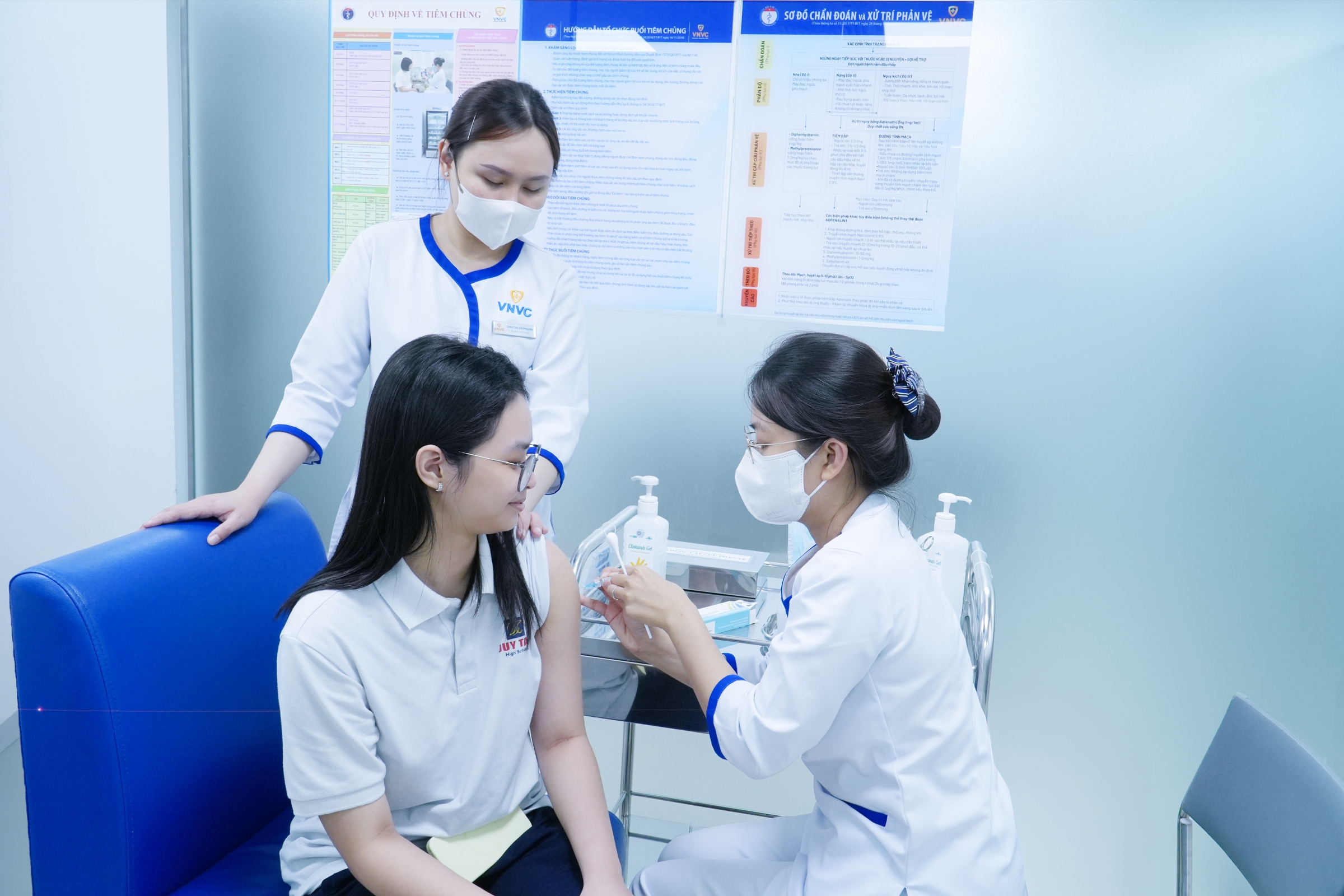 |
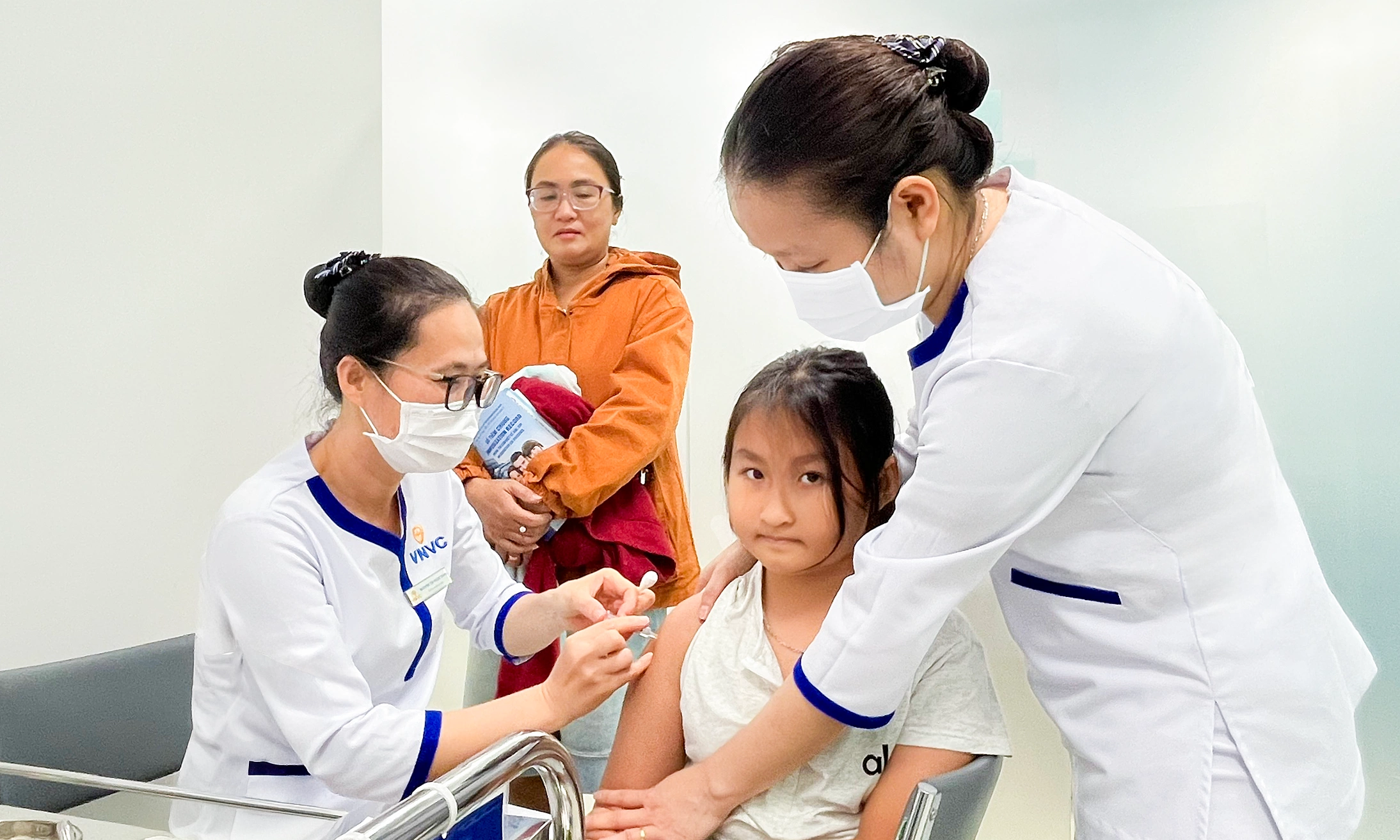
A female student is taken by her mother for HPV vaccination at the VNVC Vaccination System. Photo: Hoang Duong
You are currently positive for HPV type 16. This virus type can cause cervical cell changes that lead to cancer. Therefore, you need to monitor your health and undergo cancer screening methods such as Pap smears and colposcopy to detect abnormalities and receive early treatment.
Individuals who have had genital warts or HPV-related cancers still need to get the HPV vaccine. The vaccine does not prevent or treat the currently active virus type, but it helps prevent other virus types included in its formulation. Besides HPV type 16, many other high-risk virus types can lead to cancers such as cervical, anal, vulvar, vaginal, penile, and some oropharyngeal cancers. Furthermore, the HPV virus can be naturally cleared from the body, and vaccination also helps prevent reinfection with these previously acquired virus types.
Currently, Vietnam offers a new generation vaccine protecting against nine common HPV types: 6, 11, 16, 18, 31, 33, 45, 52, and 58. This vaccine is for both males and females aged 9-45. Individuals aged 9-14 require two doses, administered approximately 6-12 months apart, while those aged 15-45 need three doses within six months. At your age, this vaccine is suitable for immunization.
Additionally, a vaccine protecting against four HPV types (6, 11, 16, and 18) is available for females aged 9-26. Females aged 9-13 receive two doses within 6-12 months, while those aged 14-26 receive three doses within six months.
You should also maintain a positive lifestyle: eat a balanced diet, get enough sleep, avoid stress, use condoms during sexual activity, and encourage your partner to get tested for HPV and vaccinated for prevention and health protection.
Doctor Le Thi Gam
Medical Manager, VNVC Vaccination System
Readers can submit questions for vaccine consultation to a doctor here.