Muscles enable body movement, balance, energy storage, and support various metabolic activities. Protein is a crucial component for building, repairing, and maintaining muscle mass. Adults typically require about 0,8 g of protein per kg of body weight daily. However, even with adequate protein intake, muscle mass can still decline due to several factors.
Inactivity
According to Very Well Health, maintaining adequate protein intake but remaining inactive can still result in muscle mass reduction. While protein supplies the building blocks for muscle tissue, physical activity—especially exercises that involve muscle exertion—is what truly stimulates this process. This explains why patients who are bedridden for extended periods after surgery or injury often experience rapid muscle loss, despite consuming sufficient food and protein.
Aging
Aging is a primary cause of muscle mass decline, even with a complete diet. As individuals age, the body's capacity for protein synthesis and muscle tissue construction diminishes, leading to less effective recovery after physical activity. Consequently, older adults do not build muscle mass equivalent to younger individuals, even with the same protein intake. This process often unfolds gradually and can be difficult to detect in its early stages.
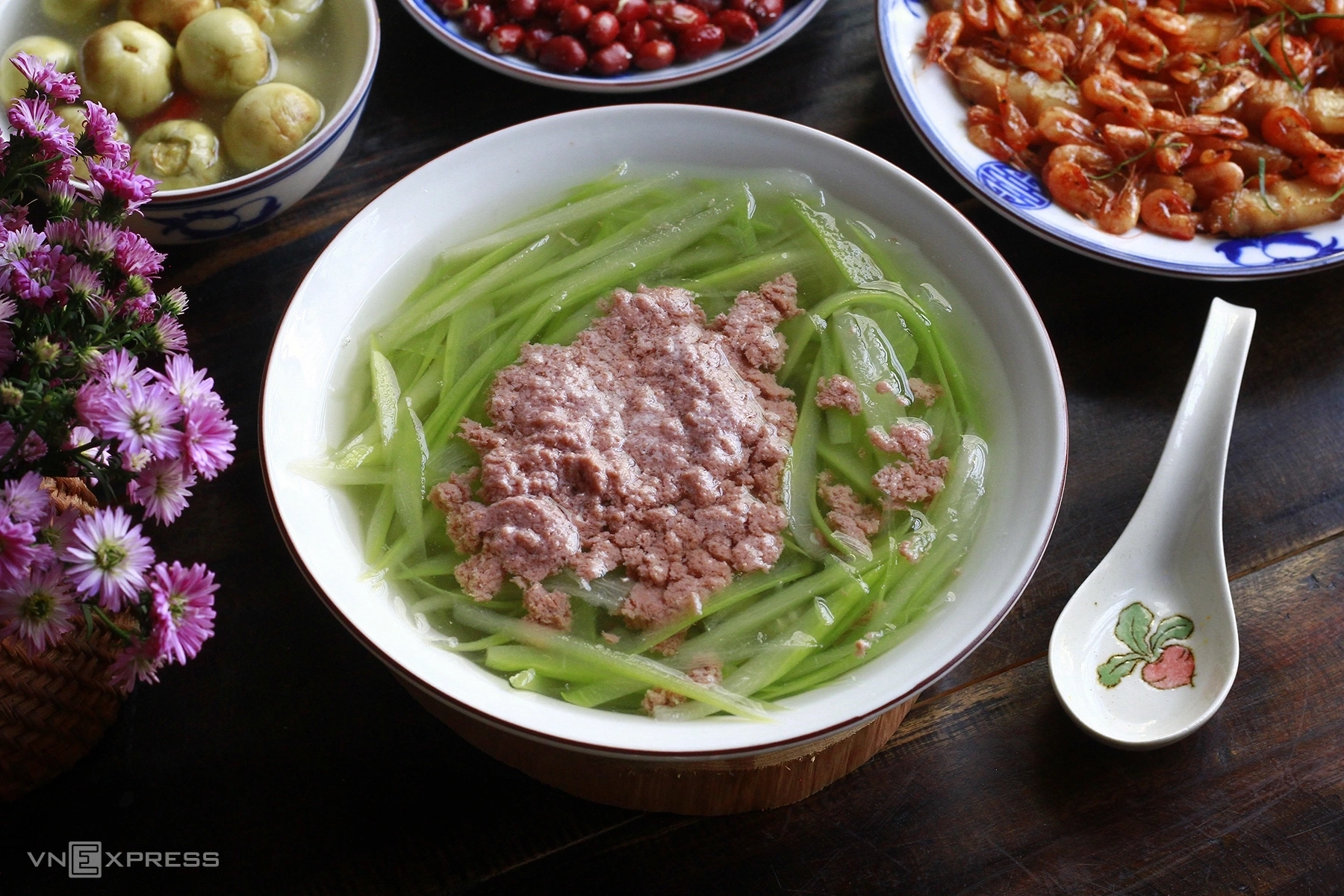 |
Protein is commonly found in meat and shrimp. Photo: Bui Thuy |
Protein is commonly found in meat and shrimp. Photo: Bui Thuy
Underlying Health Conditions
According to Times of India, beyond just age, various health conditions also accelerate muscle loss. When the body experiences prolonged infection, inflammation, or chronic illness, metabolic processes shift and energy demands increase. This can cause the body to break down muscle protein to meet its needs. Additionally, patients often become inactive, bedridden, or fatigued, making muscle mass maintenance challenging.
Insufficient Sleep
Muscles require protein and rest for repair and recovery following activity. Consistent insufficient sleep or poor sleep quality can impair the body's recovery capabilities, hindering effective muscle maintenance and development.
Muscles Need More Than Just Protein
Beyond protein, a diet must include other nutrients to support muscle maintenance and growth. Carbohydrates provide energy for body function and exercise, fats are integral to metabolic processes, and calcium and magnesium are essential for normal muscle activity. Instead of focusing solely on protein, individuals should adopt a balanced diet comprising diverse food groups to ensure all necessary nutrients are supplied to the body.
Le Nguyen (Compiled)
| Readers can submit nutrition questions here for doctors to answer. |