Answer:
Breast milk is a valuable source of nutrition for infants and young children. While frozen breast milk may lose some enzymes, it still retains essential nutrients for infants. Nutritionists and pediatricians recommend that infants under six months of age should be exclusively breastfed.
However, breast milk can transmit certain diseases such as HIV, hepatitis B, C, syphilis, and CMV (cytomegalovirus), which can cause lymphadenitis, rashes, hepatitis, and anemia, if the mother is infected or if the milk expression process is not sterile, or if nipples are bleeding.
Hepatitis B primarily spreads through three main routes: mother-to-child, blood, and unprotected sexual contact. Infants infected with hepatitis B have up to a 90% risk of developing chronic infection, which can lead to cirrhosis and liver cancer.
To mitigate risks when infants need external milk, it is advisable to obtain it from acquaintances whose health status is known, ensuring proper hand hygiene and sterile equipment during expression. Alternatively, safe sources like hospital breast milk banks can be utilized.
Proper thawing of breast milk is crucial. It should be moved from the freezer to the refrigerator’s cool compartment for 12-24 hours. Once taken from the refrigerator, milk should be warmed indirectly using warm water or a specialized milk warmer. Avoid shaking or swirling the milk vigorously, as this can cause it to separate. Never heat milk directly on a stove.
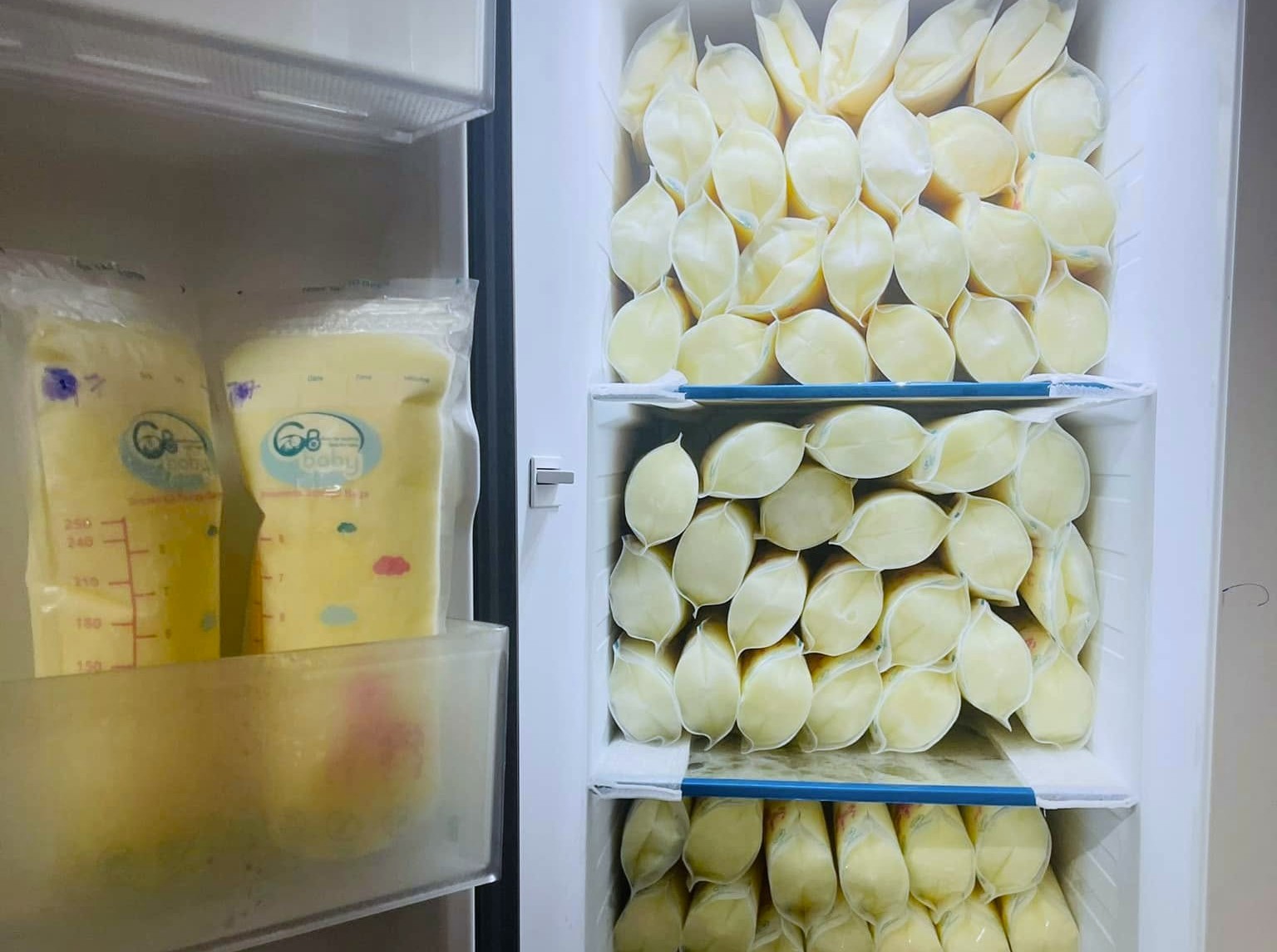 |
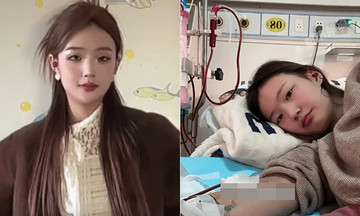
If obtaining breast milk from an external source, it is best to get it from an acquaintance whose health is known, and ensure proper storage and thawing steps are followed. Photo: Thuy Dung
The World Health Organization (WHO) recommends that all children be vaccinated against hepatitis B. In Vietnam, both monovalent and combination hepatitis B vaccines are available. Infants should receive the first dose within 24 hours of birth. Subsequent doses containing the hepatitis B component, such as 5-in-1 or 6-in-1 vaccines, should be administered from six weeks to two months of age.
Beyond hepatitis B, cold and humid weather conditions facilitate the spread of many infectious diseases, including pneumococcal disease, meningococcal disease, pneumonia, and RSV. Young children, with their weaker immune systems, require complete vaccination.
Vietnam currently offers Pfizer's RSV vaccine for pregnant women from 24-36 weeks of gestation, which provides passive antibody protection to infants during their first six months of life. Additionally, Sanofi’s RSV Nirsevimab monoclonal antibody is available for infants from one day old up to 24 months old. There are five types of pneumococcal and meningococcal vaccines available, protecting against severe diseases like pneumonia, meningitis, and sepsis.
For pneumococcal vaccine, doctors will advise on a suitable vaccination schedule based on the child's age and vaccination history. Meningococcal bacteria have five common disease-causing serogroups: A, B, C, Y, and W-135. Individuals need to receive a combination of meningococcal vaccines for comprehensive protection against these five serogroups.
Dr. CKI Ta Minh Da
Screening Doctor, VNVC Vaccination System
Readers can submit vaccine-related questions for doctors to answer here.