On 18/10, a representative from the National Hospital for Tropical Diseases reported that the patient presented with confusion, agitation, a widespread purple rash, a rapid pulse, and unmeasurable blood pressure. Lab tests showed severely elevated inflammatory markers and multi-organ failure, specifically acute kidney failure, liver damage, and severe coagulopathy.
The patient was intubated, placed on mechanical ventilation, and received a combination of vasopressors, antibiotics, and continuous hemodialysis. Lab results confirmed he had sepsis caused by Streptococcus suis.
This case is the most severe among the 4 Streptococcus suis patients admitted to the hospital in the past two weeks. All patients had epidemiological links to pigs or pork products, and their conditions gradually improved after treatment.
 |
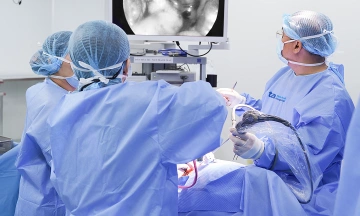
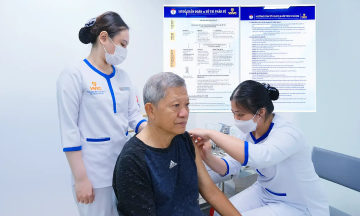
Doctors treating the patient. *Photo: Hospital provided* |
According to doctor Nguyen Duc Minh from the Emergency Department, Streptococcus suis can progress rapidly, particularly in its septic form. When the circulatory system collapses, organs do not receive sufficient blood and oxygen, leading to kidney failure, liver damage, respiratory failure, and metabolic disorders. Coagulopathy also causes hemorrhage and the formation of blood clots in small vessels, damaging the skin and extremities. Severe cases risk necrosis and even amputation.
The bacterium Streptococcus suis can be present in pigs without showing obvious symptoms. Humans become infected through contact with the blood or secretions of infected pigs, via skin wounds, or by consuming raw pork blood pudding (tiet canh), undercooked pork, or other uncooked pork products.
In humans, the disease manifests in two severe forms: meningitis and sepsis. It is life-threatening in its acute stage and can leave sequelae such as hearing loss, neurological damage, or necrosis of the extremities.
Doctors strongly advise against consuming raw pork blood pudding (tiet canh) or any pork that is raw or undercooked. Pig farmers, slaughterhouse workers, and pork processors should wear protective gear, including gloves, boots, and appropriate clothing. They must cover open skin wounds and avoid direct contact with animal blood or secretions. It is also crucial not to slaughter or consume pigs that are sick or have died from unknown causes.
Individuals who have consumed raw pork blood pudding (tiet canh), undercooked pork, or had contact with pigs and subsequently develop symptoms such as fever, severe headache, vomiting, confusion, altered consciousness, diarrhea, or an unusual hemorrhagic rash should seek immediate medical attention. During examination, patients must clearly inform doctors about their dietary history and exposure to pigs to aid in timely diagnosis and treatment.
Thuy Quynh