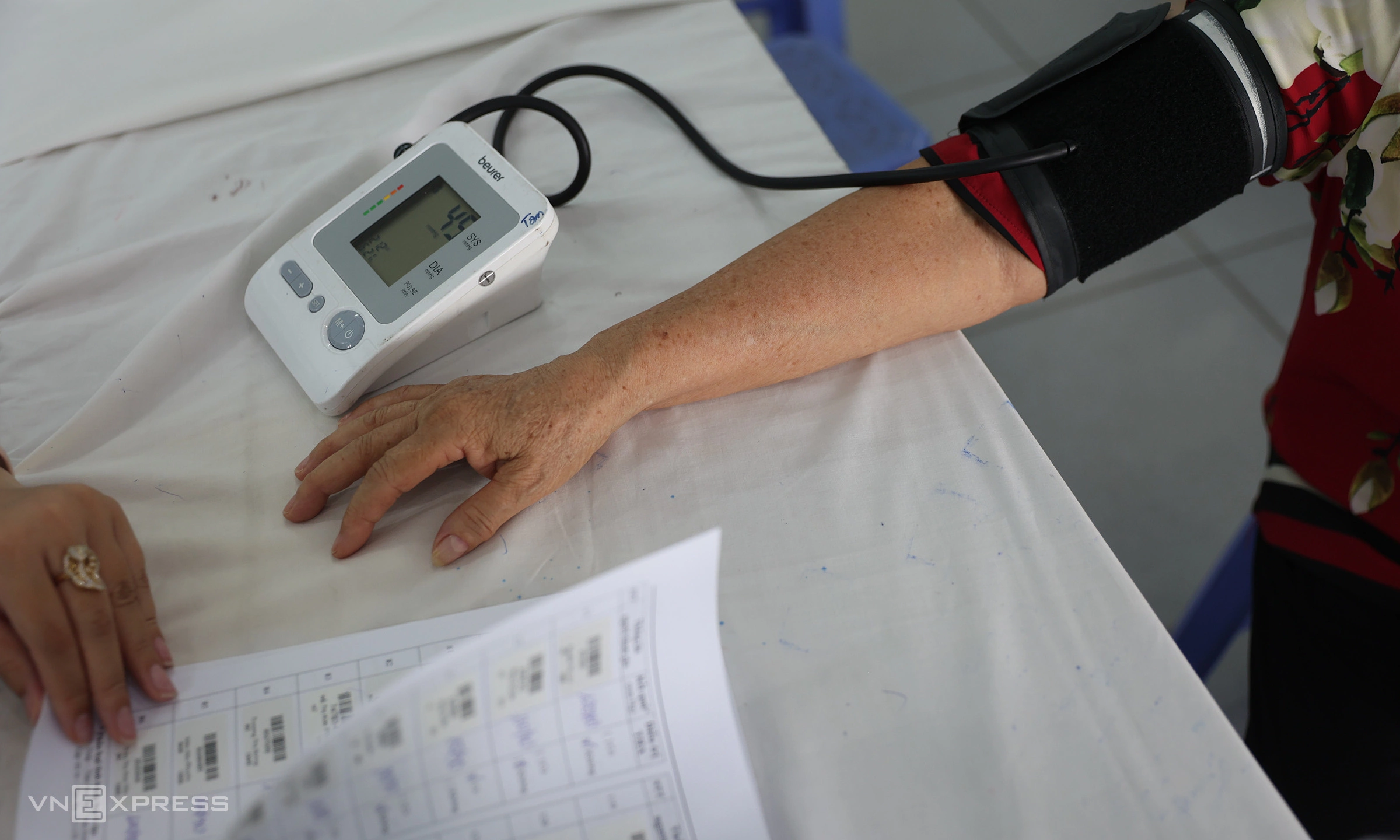
Blood pressure measures the force of blood against artery walls. When this pressure remains consistently high, it can damage vessel walls, making them less elastic and placing extra strain on organs. The World Health Organization (WHO) identifies hypertension as a significant risk factor for cardiovascular disease, stroke, and kidney disease.
Heart faces increased workload
Prolonged high blood pressure forces the heart to exert more effort to pump blood throughout the body. To cope, the heart muscle, especially the left ventricle, may thicken. This thickening, however, does not improve heart function; instead, it can hinder the muscle's ability to relax and receive blood between beats.
Over time, this condition elevates the risk of heart failure. High blood pressure also damages the inner lining of arteries, promoting the formation and growth of atherosclerotic plaques. When coronary arteries narrow or become blocked, blood flow to the heart muscle decreases, potentially causing angina or a heart attack.
The risk is particularly notable for individuals with additional factors like smoking, dyslipidemia, diabetes, or obesity. Managing blood pressure reduces strain on the heart and limits the risk of cardiovascular events.
 |
Prolonged high blood pressure can damage the heart, brain, kidneys, and eyes. *Image created by AI*.
Brain faces increased stroke risk
The brain requires a continuous blood supply to function. High blood pressure can damage cerebral vessel walls, making them prone to blockage or rupture, which are primary mechanisms leading to stroke.
In ischemic stroke, blood clots or atherosclerotic plaques obstruct vessels, depriving a brain region of oxygen and nutrients. Hemorrhagic stroke, conversely, occurs when a blood vessel ruptures, spilling blood into brain tissue or surrounding spaces. Both types can cause neurological damage, resulting in impaired motor function, language, or cognition.
Beyond stroke risk, prolonged hypertension is also linked to small vessel damage in the brain and cognitive decline.
Kidneys experience reduced waste filtering
Kidneys contain a network of tiny blood vessels that filter blood, remove waste products, and regulate water and salt levels. Sustained high blood pressure can harm these vessels, causing them to thicken, narrow, and reduce blood flow to kidney tissues.
As filtering function declines, waste and fluid can accumulate in the body. Individuals face an elevated risk of chronic kidney disease, potentially leading to kidney failure if damage progresses. In its initial stages, the disease often presents no clear symptoms, meaning people may not realize their kidney function is diminishing.
Eyes suffer retinal blood vessel damage
The retina, a light-sensitive tissue layer at the back of the eye, receives light and transmits signals to the brain. Its blood vessels can be affected by prolonged high blood pressure, leading to hypertensive retinopathy.
Initially, retinal blood vessels may constrict or alter their structure without noticeable vision changes. As damage advances, vessel walls can leak, causing hemorrhage or retinal edema. Severe hypertension can also lead to optic disc edema, a sign requiring urgent medical evaluation.
Individuals may experience blurred vision or other visual changes, but early symptoms are not universal. A fundus examination allows doctors to assess retinal condition and detect signs of blood vessel damage related to high blood pressure.
Bao Bao (Compiled)