Nasal polyps are benign growths that form in the lining of the nose and sinuses. They are typically soft and painless. The formation of nasal polyps is often attributed to various factors, including viral or bacterial infections and allergies. Persistent inflammation causes the nasal lining to swell and degenerate, eventually sagging and forming polyps. Without appropriate treatment, nasal polyps usually do not resolve on their own.
In your situation, the doctor likely recommended surgery because the polyps were large, leading to prolonged nasal congestion, a reduced sense of smell, and a lack of response to standard medical treatments. When polyps are small, doctors typically manage them with medication to control inflammation and decrease their size.
While surgery effectively removes polyp tissue and inflamed lining, and opens the sinuses for improved drainage, it does not eliminate the underlying inflammatory mechanism of the nasal lining. Consequently, nasal polyps can recur after surgery if the root causes of inflammation are not managed. The risk of recurrence is higher in individuals who have nasal polyps accompanied by chronic pansinusitis, an allergic predisposition, bronchial asthma, or those who do not adhere to post-operative treatment plans.
Even after sinus openings have been widened, the nasal and sinus lining can easily become inflamed again due to improper nasal hygiene, regular exposure to smoke, dust, or chemicals, or sudden changes in weather.
 |
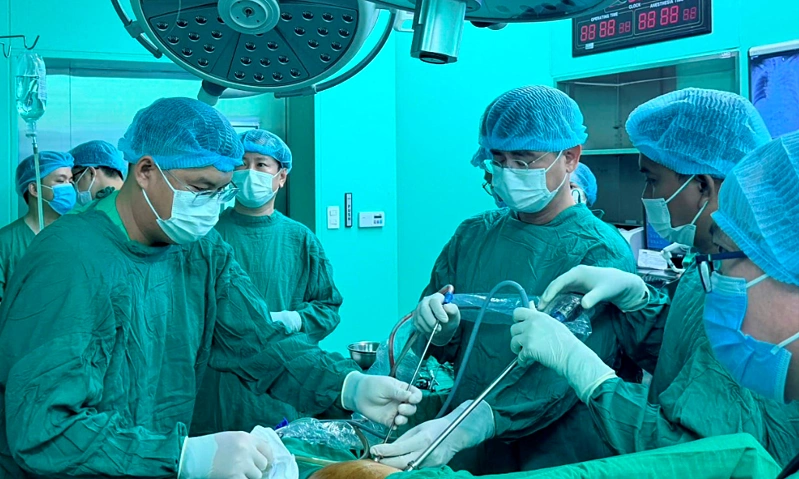
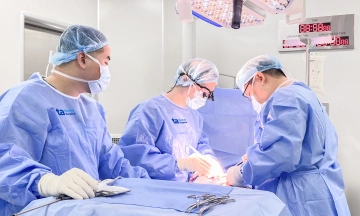
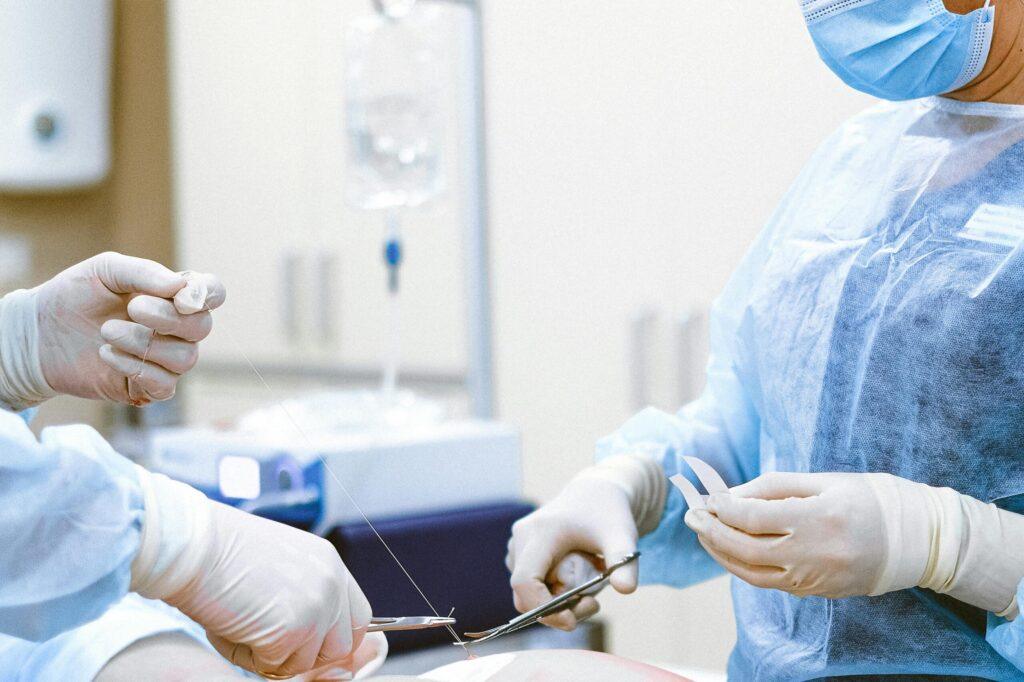
Doctor Tuong performs sinonasal surgery on a patient. Illustration: Tam Anh General Hospital |
Following surgery, patients must attend scheduled follow-up appointments with their doctor to ensure proper wound care. If symptoms such as worsening nasal congestion, decreased or lost sense of smell, facial pain, or increased nasal discharge occur, patients should seek re-examination earlier than scheduled for timely assessment by their doctor.
To minimize the risk of recurrence after surgery, patients should rinse their nose daily with physiological saline to clear mucus and allergens, and use prescribed nasal sprays exactly as directed by their doctor. It is crucial to effectively manage any underlying conditions such as allergic rhinitis, chronic sinusitis, or bronchial asthma. Maintaining humid air and avoiding tobacco smoke and irritating chemicals also helps prevent the nasal lining from becoming inflamed again.
Master, Doctor, CKI Truong Tri Tuong
Ear, Nose, and Throat Center
Tam Anh General Hospital, TP HCM
| Readers can ask questions about ear, nose, and throat conditions here for doctors to answer. |