Doctor Tran Thi Minh Tam, a specialist in dermatology and aesthetic dermatology at Tam Anh General Hospital, Ho Chi Minh City, observed that Yen's facial skin had reduced elasticity, soft tissue sagging in the facial area, and loose, less firm neck skin. These changes are linked to the natural decline of collagen, elastin, and supporting tissue over time.
As her skin laxity was not severe enough to require a surgical facelift, doctors recommended parallel ultrasound wave technology (Sofwave) for Yen. This rejuvenation method targets specific tissue layers, stimulating collagen restructuring and improving skin firmness and facial contours without the need for incisions, dissection, or tissue stretching.
Yen received numbing cream, so she experienced only a mild tingling sensation and no pain during the lifting procedure. After one month, her facial and neck skin felt firmer, her contours were clearer, and her skin appeared brighter and fresher. She continued gentle skincare, including moisturizing, sun protection, and avoiding strong impacts on the treated area.
Doctor Tam noted that the sensation of firmer skin after one month is an initial, immediate contraction of collagen microfibers. The process of new tissue formation and collagen and elastin restructuring requires time. Therefore, optimal lifting and jawline contouring typically become more apparent after 3-6 months, depending on the individual's response.
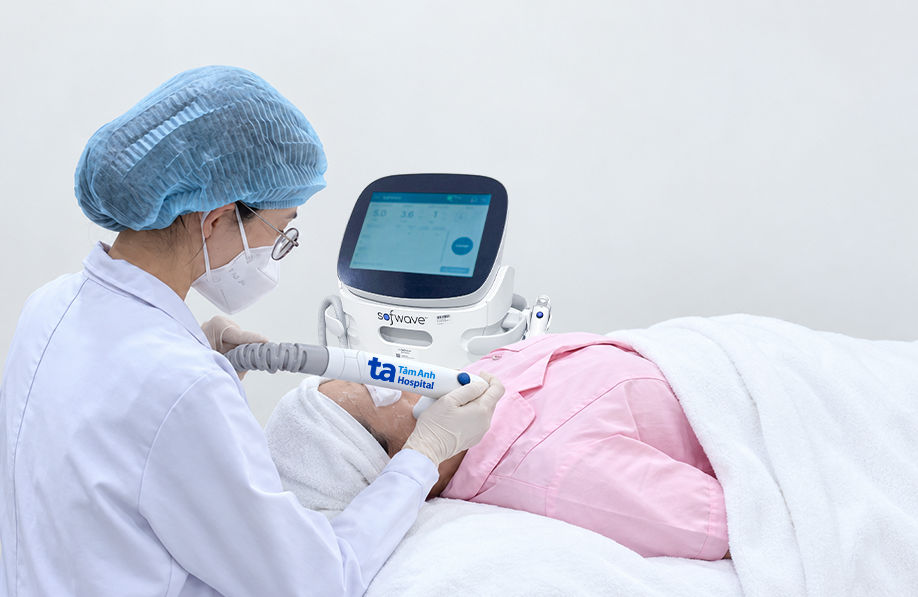 |
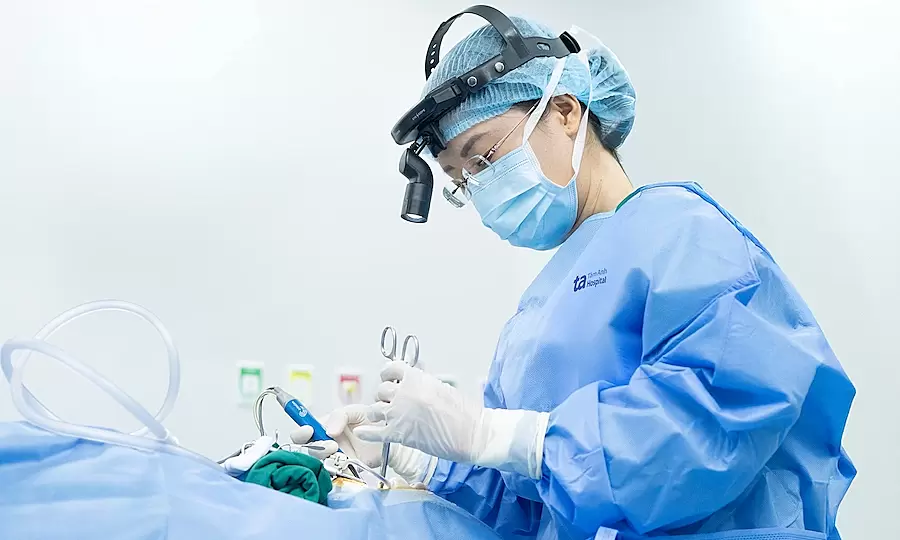
The doctor uses Sofwave parallel ultrasound technology to improve Yen's skin. Photo: Tam Anh General Hospital
Facial sagging stems from more than just surface skin changes. With age, subcutaneous fat, supporting structures, and tissue distribution also change, leading to sagging cheeks, less defined jawlines, and a loss of overall firmness and definition.
Many methods exist to improve sagging skin, ranging from daily skincare and ultrasound lifting to botox injections and surgical facelifts. Individuals with a history of keloid scars should inform their doctor about previous procedures, surgeries, scar formation, or complications to assess risks before selecting a rejuvenation method. Cases of slow-healing wounds or abnormal scar development also need to be reported.
Minh Huong
*Character's name has been changed
| Readers can send questions about dermatology and aesthetic dermatology here for doctors to answer |