Knee osteoarthritis is a condition where the natural cartilage cushioning between bone ends wears away, causing bones to rub against each other. This leads to pain, joint stiffness, limited movement, and sometimes bone spurs. The disease progresses through four stages. Being diagnosed with stage 2, an early-to-moderate stage, means joint function can still be well preserved with appropriate treatment and exercise. Proper exercise is a crucial part of treatment, helping to maintain joint function and slow disease progression.
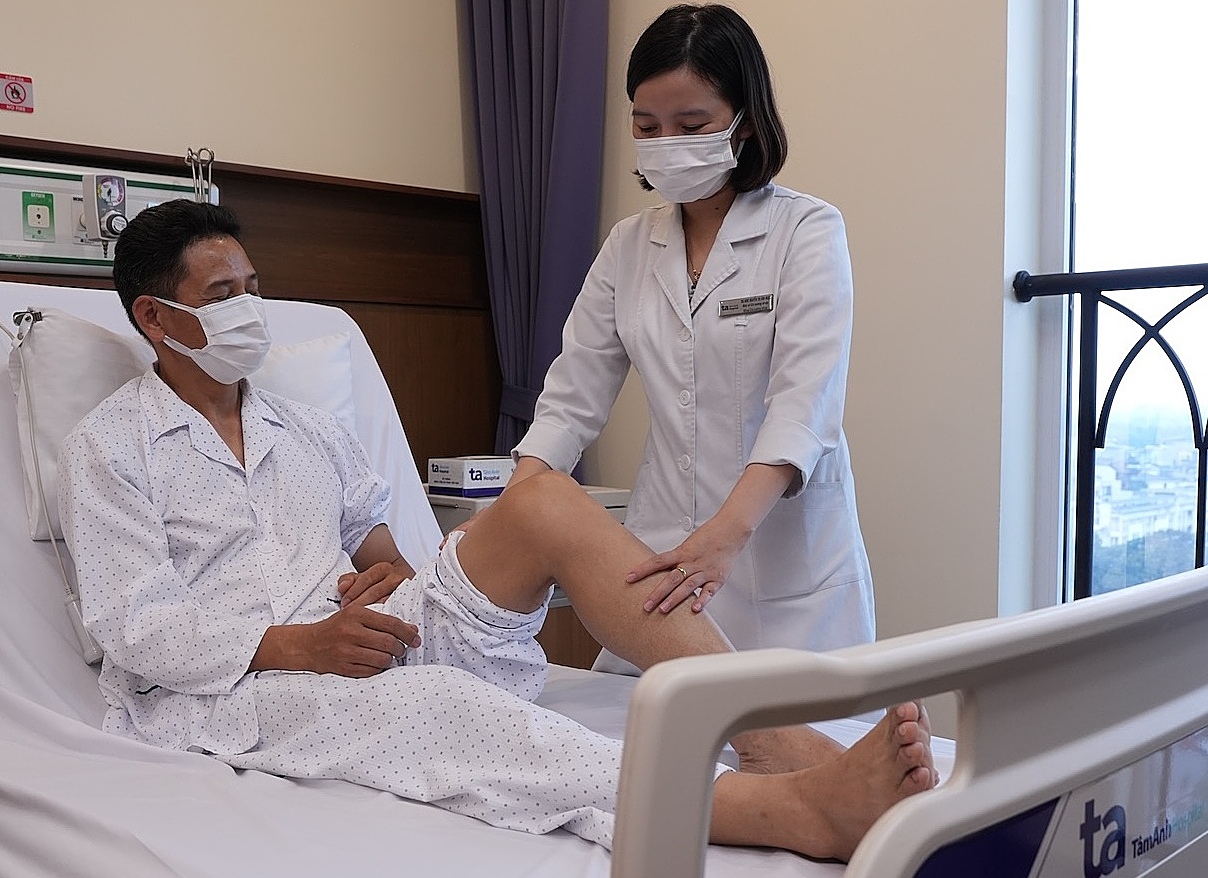 |
A doctor examines a patient with knee osteoarthritis. Photo illustration: Tam Anh General Hospital |
Cycling is a suitable exercise because it places minimal stress on the joints. The rhythmic bending and extending motion of the knee during cycling increases joint fluid circulation, maintains range of motion, and reduces stiffness. It also helps manage weight, which can slow the progression of osteoarthritis.
Individuals with knee osteoarthritis can cycle, but should prioritize flat terrain and moderate speeds, avoiding steep inclines. The bicycle saddle should be adjusted to an appropriate height, typically level with the hip bone, to prevent the knee from bending too deeply while pedaling. Initially, sessions should last about 10-15 minutes, gradually increasing as the knee adapts. It is important to monitor the knee's response after exercise; if pain or swelling increases, reduce intensity. Cycling should be avoided if the joint shows signs of swelling, warmth, effusion, or significantly increased pain, as these may indicate an active inflammatory flare-up.
Maintaining proper nutrition, controlling body weight, and increasing intake of foods rich in omega-3, vitamin D, and calcium are also beneficial. Regular medical check-ups allow doctors to assess the degree of knee osteoarthritis and adjust the treatment plan accordingly.
Master. Dr. Pham Thu Phuong
Deputy Head of the Department of Musculoskeletal Medicine
Tam Anh Cau Giay General Clinic
| Readers can send questions about musculoskeletal diseases here for doctors to answer. |