Botox injections, while generally safe, minimally invasive, and requiring no downtime, are not recommended for pregnant women. During pregnancy, the primary focus is protecting the mother and ensuring the absolute safety of the fetus, avoiding any non-essential medical interventions, even those considered very safe for non-pregnant individuals. Global medical literature currently lacks clinical trials confirming the absolute safety of botox for fetuses and pregnant women. In medical classifications, drugs or preparations without clear safety data during pregnancy are advised against use unless absolutely necessary.
The underarm area contains many blood vessels and lymph nodes. A minute amount of the active ingredient could potentially enter the bloodstream, even if the probability is low. For non-pregnant individuals, this is typically not a concern. However, for pregnant women, whose bodies are nurturing a developing fetal nervous and musculoskeletal system daily, any potential risk related to neurotoxins requires caution. This is especially true during the first three months of pregnancy, a critical period for organ formation, when the fetus is more susceptible to external agents. While there is no data indicating botox causes birth defects, there is also insufficient data to confirm it is harmless.
 |
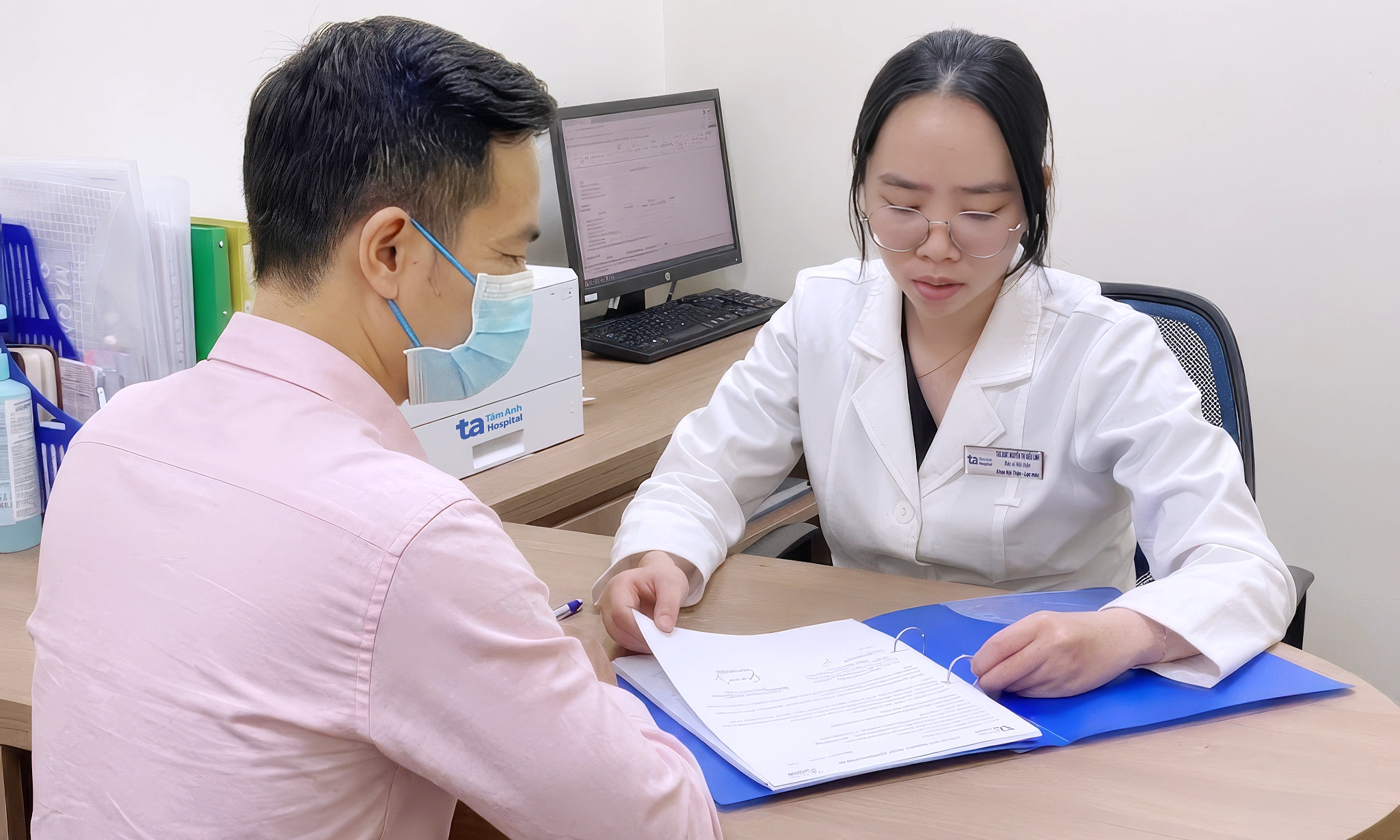
An aesthetics doctor administers botox injections to treat excessive sweating. Illustration: Benh vien Da khoa Tam Anh |
Furthermore, botox injections can cause bruising, swelling, pain, or even rare allergic reactions. Although these reactions are mild, they could lead to stress and anxiety for expectant mothers, which is not beneficial during pregnancy.
Botox, short for botulinum toxin type A, is a purified protein that inhibits nerve impulse transmission to muscles. Botox injections effectively treat excessive underarm sweating by suppressing the activity of local sweat glands, thereby reducing or eliminating unpleasant odor. This method is effective for 6-8 months, and even annually for those who receive two to three consecutive injections every 6 months.
Since you are pregnant, you should postpone botox injections for underarm sweating until after childbirth. Instead, you can manage sweating during this time by wearing loose clothing made of absorbent materials, keeping your underarms dry, and limiting spicy foods, coffee, and alcohol. Some topical products containing low-concentration aluminum chloride may be considered for temporary use under a doctor's guidance, as their systemic absorption is very low.
Excessive sweating in many pregnant women can worsen due to hormonal changes, but it often subsides after birth when hormone levels stabilize. After delivery, you should wait at least 6-8 weeks for your body to recover. If significant underarm sweating still affects your daily life, you may then consider botox injections. If you are breastfeeding, you should consult your doctor to determine the appropriate timing.
Dr. Dam Thi Thuy Hong,
Head of Aesthetics Department
Benh vien Da khoa Tam Anh Ha Noi
Readers can submit questions about dermatology and skin aesthetics here for a doctor's consultation.