 |
Leafy Greens
Individuals with sleep apnea often experience repeated airway obstruction during sleep, leading to oxygen deficiency. This condition escalates inflammatory responses, exacerbating the illness.
Leafy greens, such as spinach and kale, are rich in antioxidants, which help reduce inflammation and soothe respiratory tissues. They also provide magnesium, a mineral vital for muscle relaxation and improved sleep quality. Furthermore, leafy greens are low in calories and high in fiber, supporting weight management and consequently alleviating sleep apnea symptoms.
 |
Berries
Nighttime breathing interruptions caused by sleep apnea can decrease oxygen levels. Over time, this leads to oxidative stress, elevating the risk of cardiovascular disease, type 2 diabetes, and cognitive issues.
Berries are abundant in antioxidants that help reduce inflammation and combat free radicals, which cause oxidative stress. Additionally, berries are rich in fiber, aiding weight loss – a crucial factor in managing sleep apnea.
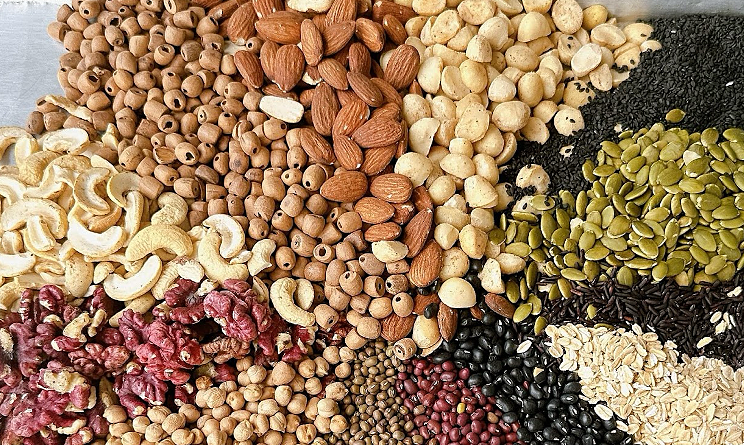 |
Nuts
Almonds, pistachios, walnuts, and other nuts are beneficial for individuals with sleep apnea due to their high content of protein, fiber, and antioxidants.
These nutrients work to reduce inflammation, support heart health, aid in weight management, and enhance sleep quality. Nuts are also rich in magnesium, a mineral that promotes muscle relaxation for more restful sleep.
 |
Fatty Fish
Fatty fish are packed with omega-3 fatty acids, known for their ability to reduce inflammation throughout the body, including the respiratory tract. Omega-3s can also decrease nighttime awakenings and improve overall sleep quality.
Obstructive sleep apnea often places additional strain on the heart, increasing the risk of heart disease. Regular omega-3 supplementation in the diet benefits cardiovascular health. Adults should consume fatty fish two times a week, such as salmon, sardines, and herring.
 |
Whole Grains
Fiber-rich whole grains like oats, brown rice, and quinoa are low in calories and high in fiber, making them suitable for weight management and thus reducing the severity of sleep apnea. Whole grains help maintain satiety for longer, support healthy digestion, stabilize blood sugar levels, and prevent inflammation.
By Anh Chi (According to Health)
Photos: Anh Chi, Bao Bao.