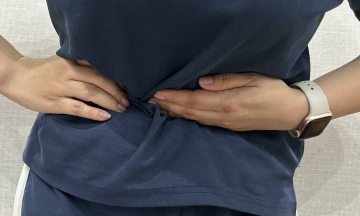
Dr. Hoang Quyet Tien of the Medical Information Center at Tam Anh General Hospital, TP HCM, notes that while musculoskeletal conditions often worsen in cold weather, hot weather can also significantly impact the musculoskeletal system, leading to joint pain, stiffness, and reduced flexibility.
During hot weather, the body increases sweat production to regulate temperature, often resulting in water and electrolyte imbalances. This directly impacts synovial fluid – the lubricating liquid that nourishes cartilage and ensures smooth joint movement. A decrease in the volume and viscosity of synovial fluid increases friction between bone ends, causing pain and stiffness. Dehydration from heat not only reduces joint flexibility but also promotes inflammatory responses in the joints, intensifying pain for those with musculoskeletal conditions.
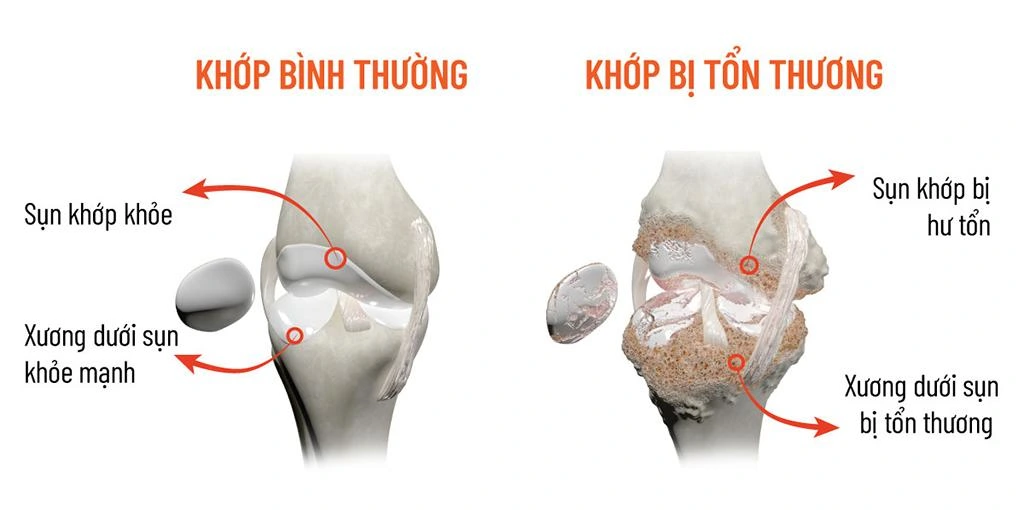 |
Illustration of a healthy joint and a damaged joint with cartilage and subchondral bone damage. *Photo: Eco Pharmaceutical Joint Stock Company*
Changes in temperature and air pressure also contribute to increased joint pain and stiffness. Dr. Tien explains that in hot and humid conditions, a drop in air pressure causes tissues around the joints to expand, increasing pressure on nerve endings within the joints, which significantly amplifies the perception of pain and stiffness.
Furthermore, constant transitions between air-conditioned environments and the hot outdoors, with significant temperature differences, can reduce blood flow to the joints and stimulate inflammatory responses, leading to pain, stiffness, and numbness.
According to Dr. Tien, lifestyle habits during hot weather are also important factors. Consuming alcohol to quench summer thirst can accelerate dehydration, negatively affecting cartilage and subchondral bone metabolism, decreasing bone density, and worsening joint pain and stiffness. Hot weather often reduces appetite, leading to a deficiency of essential nutrients that are vital for maintaining joint structure.
Dr. Tien advises everyone to drink enough water, especially during physical activity or when sweating heavily, to maintain joint flexibility in summer. Regular exercise helps preserve flexibility and supports the circulation of joint fluid.
Maintain appropriate room temperatures, ensuring a difference of no more than 7 degrees Celsius from the outdoor temperature. When using fans or air conditioners, avoid directing airflow directly at joints, particularly during sleep. Adopt a balanced diet, increasing foods rich in vitamins and minerals.
Regularly supplement with natural essences such as: undenatured type II collagen, hydrolyzed collagen peptide, eggshell membrane, chondroitin sulfate, and turmeric root extract, which support cartilage nourishment, maintain joint function, and improve mobility.
Dinh Dieu
| Readers can submit questions about musculoskeletal conditions here for a doctor's response. |