Public restrooms, particularly toilet bowls, harbor various bacteria and viruses that can spread through shared use. Human papillomavirus (HPV), the cause of genital warts (types 6 and 11), has been found to survive on toilet seats, door handles, and sinks in public restrooms.
Warts can appear on the anus, genitals, lips, eyes, and mouth. If an uninfected person touches virus-containing secretions on surfaces, or if the virus enters through skin cracks or under fingernails, transmission is possible. HPV can persist on these surfaces for many days.
To reduce the risk of genital warts and other infectious diseases, children should be taught to wash their hands with soap after using the restroom and to avoid touching their eyes, nose, and mouth. Schools should regularly clean and disinfect restrooms, classrooms, equipment, and play areas. If a child shows unusual symptoms, seek medical attention promptly to prevent the condition from worsening due to self-treatment.
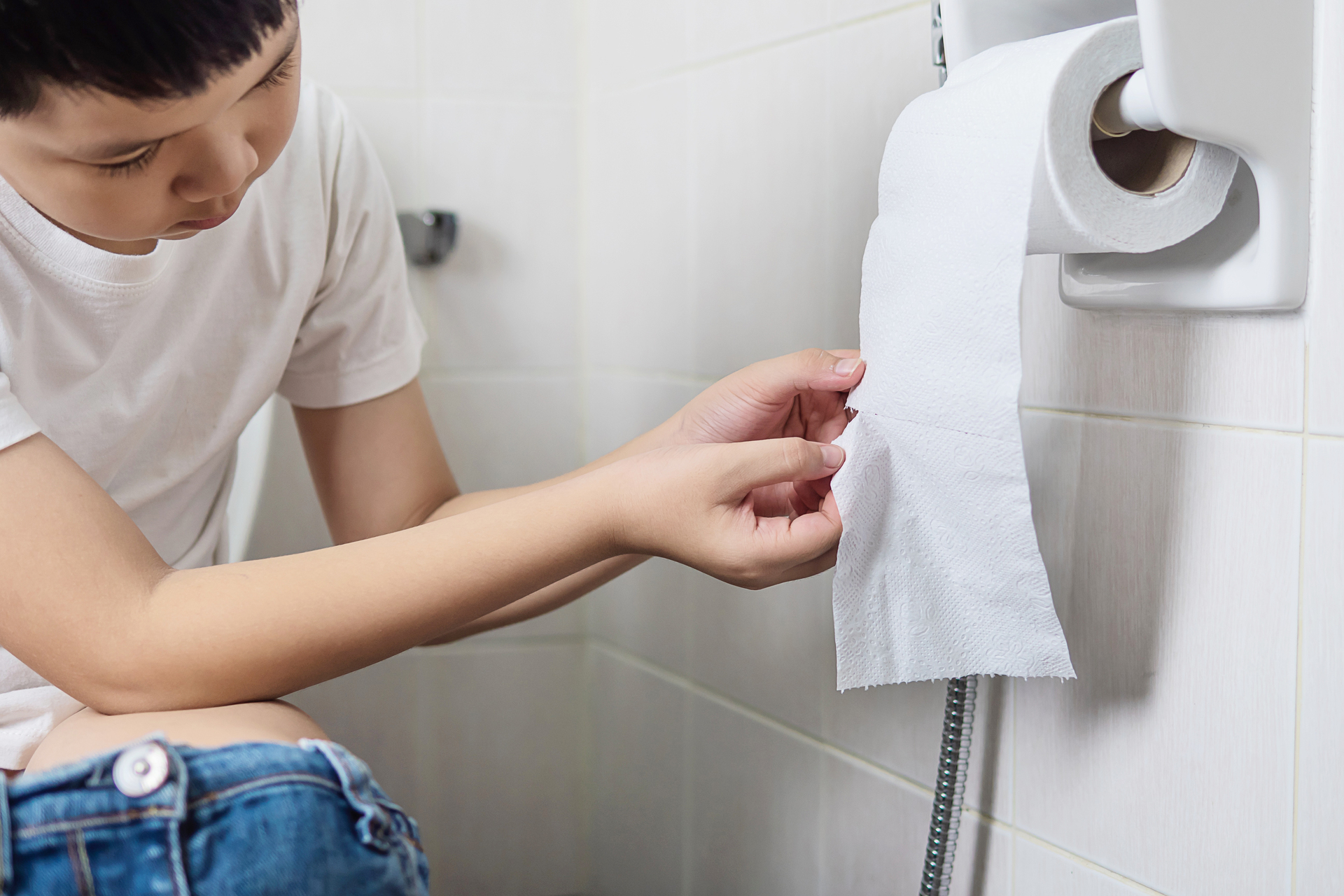 |
Human papillomavirus, which causes genital warts, has been shown to survive on toilet rims, sinks, and door handles in public restrooms. Photo: Vecteezy |
Genital warts, caused by human papillomavirus (HPV), primarily spread through sexual contact and skin-to-skin contact. Sharing personal items can also transmit the virus, but this is less common. Symptoms include painful urination, urethral discharge in men, foul-smelling vaginal discharge in women, and skin or mucous membrane lesions in the genital area.
There is currently no specific cure for genital warts. Treatment aims to remove lesions and boost the immune system to help the body clear the virus. Delayed or incorrect treatment can lead to recurrence and increase the risk of cancer.
Currently, two HPV vaccines, Gardasil and Gardasil 9, are available in Vietnam, offering over 90% efficacy. Beyond preventing genital warts, these vaccines also protect against HPV-related cancers such as cervical, oropharyngeal, anal, vulvar, and cancers in areas like the tongue, nasal sinuses, and lips.
The Gardasil vaccine protects against four types of HPV (6, 11, 16, 18) and is indicated for females aged 9 to 26. Females aged 9 to under 14 require two doses of the Gardasil vaccine, administered 6 to 12 months apart. Individuals aged 14 to 26 receive three doses.
The Gardasil 9 vaccine prevents 9 types of HPV (6, 11, 16, 18, 31, 33, 45, 52, and 58) and is indicated for males and females aged 9 to 45, providing over 90% protection. The vaccination schedule for individuals aged 9 to under 15 consists of two doses, 6 to 12 months apart. Individuals aged 15 to 45 receive three doses within 6 months.
Your son is 10 years old, which is an ideal age for HPV vaccination. He can receive the Gardasil 9 vaccine, administered in two doses, 6 to 12 months apart. You should check your child's immunization record and arrange for early vaccination to effectively protect him from the disease.
Dr. Pham Hong Thuyet
Medical Manager, VNVC Vaccination System
Readers can submit questions about vaccine consultations for the doctor to answer here.