When focusing on a screen for extended periods, the eye's accommodative muscles work continuously to maintain near vision. At the same time, a reduced blinking rate causes tears to evaporate faster, leading to dry and tired eyes. According to the American Academy of Ophthalmology, the 20-20-20 rule is a simple way to interrupt this process, allowing eyes to relax and recover.
Implementing this rule is straightforward: after every 20 minutes of screen time, look at an object approximately 20 feet (about 6 meters) away for at least 20 seconds. Shifting your gaze from near to far allows the eye's accommodative muscles to relax after continuous close-up work. This constant near focus is often why many people experience eye tension or blurred vision after hours of computer use.
When concentrating on a screen, people tend to blink less than usual. On average, a person blinks about 15 times per minute, but this frequency can drop significantly when working with digital devices. This causes tears to evaporate more quickly, increasing the risk of dry eyes, burning, irritation, or excessive tearing.
The habit of staring continuously at close distances forces the accommodative muscles to work without pause. Short breaks following the 20-20-20 rule help eyes change focus, reducing strain on these muscles and making screen work more comfortable. However, the 20-20-20 rule does not treat nearsightedness, farsightedness, or astigmatism, nor does it replace regular eye exams.
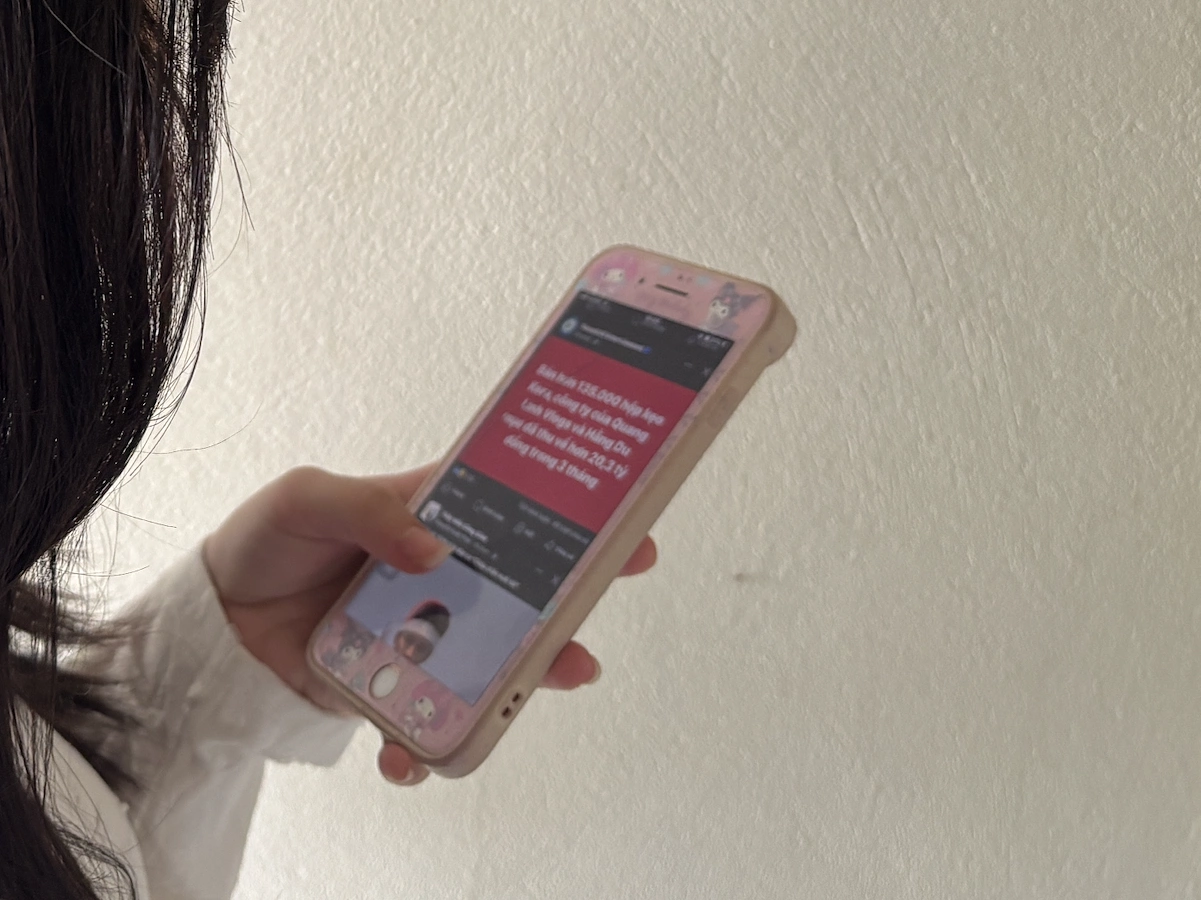 |
The 20-20-20 rule helps eyes change focus, reducing strain on accommodative muscles when using screens. Photo: Bao Bao
To make this rule a habit, you can:
Set reminders: Use a clock, phone, or break reminder application to notify you every 20 minutes of work.
Look into the distance: If you have a window, look at trees, buildings, or objects 6 meters or more away. If not, look down a hallway or at an object at a similar distance.
Avoid switching to your phone: The break will not be effective if you immediately switch from your computer to your phone or tablet. Allow your eyes to fully disengage from all screens for at least 20 seconds.
Blink intentionally: During your break, blink slowly and completely a few times to help tears spread evenly across the eye's surface, reducing dryness.
Incorporate movement: If possible, stand up, walk around, or stretch during your break to relieve neck, shoulder, and back tension from prolonged sitting.
In addition to proper eye breaks, people should adjust their workspace to reduce eye strain. The screen should be placed 50-70 centimeters from your eyes, about an arm's length, and slightly below eye level. Adjust screen brightness to match the room's lighting, avoiding excessive glare or darkness. If you frequently squint while reading, increase the font size to lessen the burden on your eyes. Drinking enough water and maintaining regular blinking also help keep the eye surface moist.
If you frequently experience eye pain, blurred vision, double vision, flashes of light, many black spots like floaters, or symptoms that do not improve with rest, consult an eye specialist to determine the cause.
Bao Bao (Compiled)
| Readers can submit questions about ophthalmic conditions here for doctors to answer. |