Dr. Phung Quang Tung, from the Intensive Care Unit at Tam Anh General Hospital Hanoi, along with his team, initiated cardiopulmonary resuscitation for the patient. After chest compressions, defibrillation, intubation, and intensive care, the patient's heart resumed beating. Electrocardiogram and echocardiogram results confirmed acute myocardial infarction as the cause of cardiac arrest.
The patient was in cardiogenic shock, with severely impaired heart function, almost no ability to pump blood, and critically low blood pressure. The team decided to initiate ECMO (extracorporeal membrane oxygenation), an external heart-lung system, to support the patient's circulation and respiration. This method draws blood out of the body, oxygenates it, and returns it, temporarily replacing the functions of the heart and lungs, allowing the heart muscle to rest.
Once hemodynamics stabilized and circulatory parameters were controlled, doctors performed arterial revascularization for Mr. Canh.
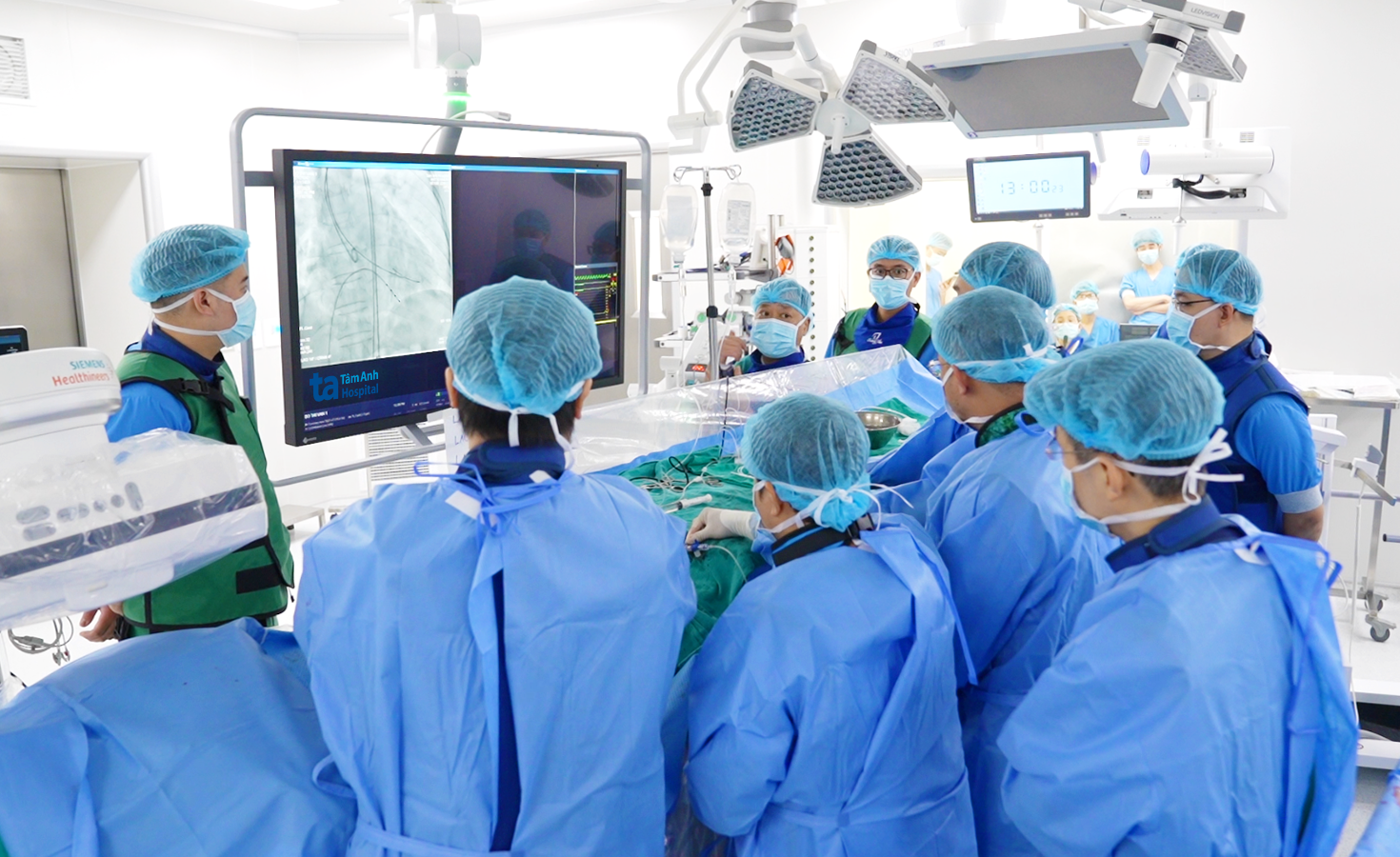 |
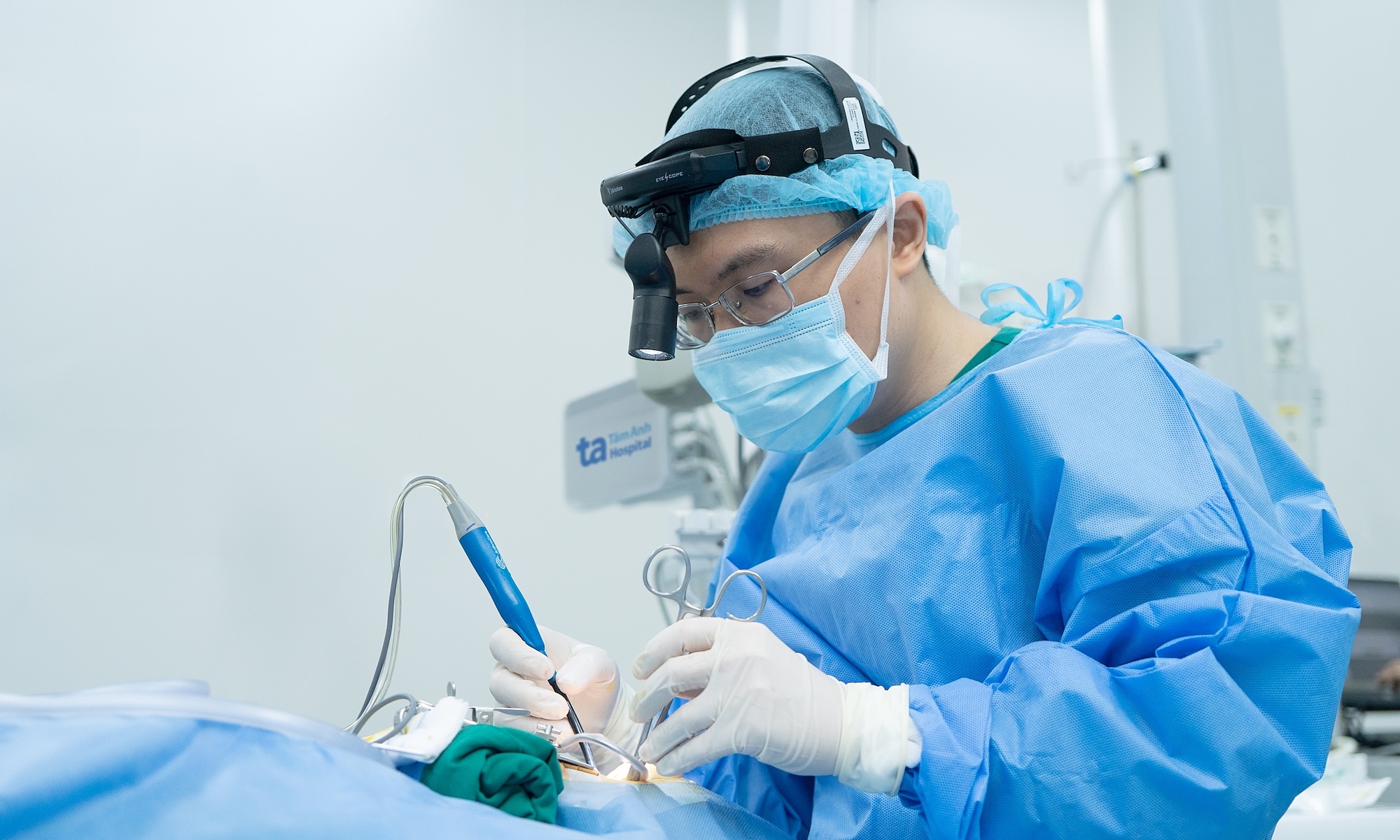
The emergency team performs coronary revascularization for the patient. *Photo: Tam Anh General Hospital*
Percutaneous coronary angiography revealed severe damage across all three coronary arteries supplying the heart. The right coronary artery and the left anterior descending artery were completely blocked, while the circumflex artery had severe 95% stenosis with very weak blood flow. "This explains why the patient went from the onset of chest pain to cardiac arrest within just 4 hours", said Master, Doctor Nguyen Tuan Long, from the Cardiology Department.
Doctors performed high-pressure balloon angioplasty at the severely narrowed sites, successfully placing two stents and restoring blood flow through the blocked coronary artery branch. Following the intervention, the patient received intensive care, supported by ECMO and mechanical ventilation. After three days, heart function showed significant improvement, and blood pressure gradually stabilized. The patient was successfully weaned from ECMO and subsequently from mechanical ventilation.
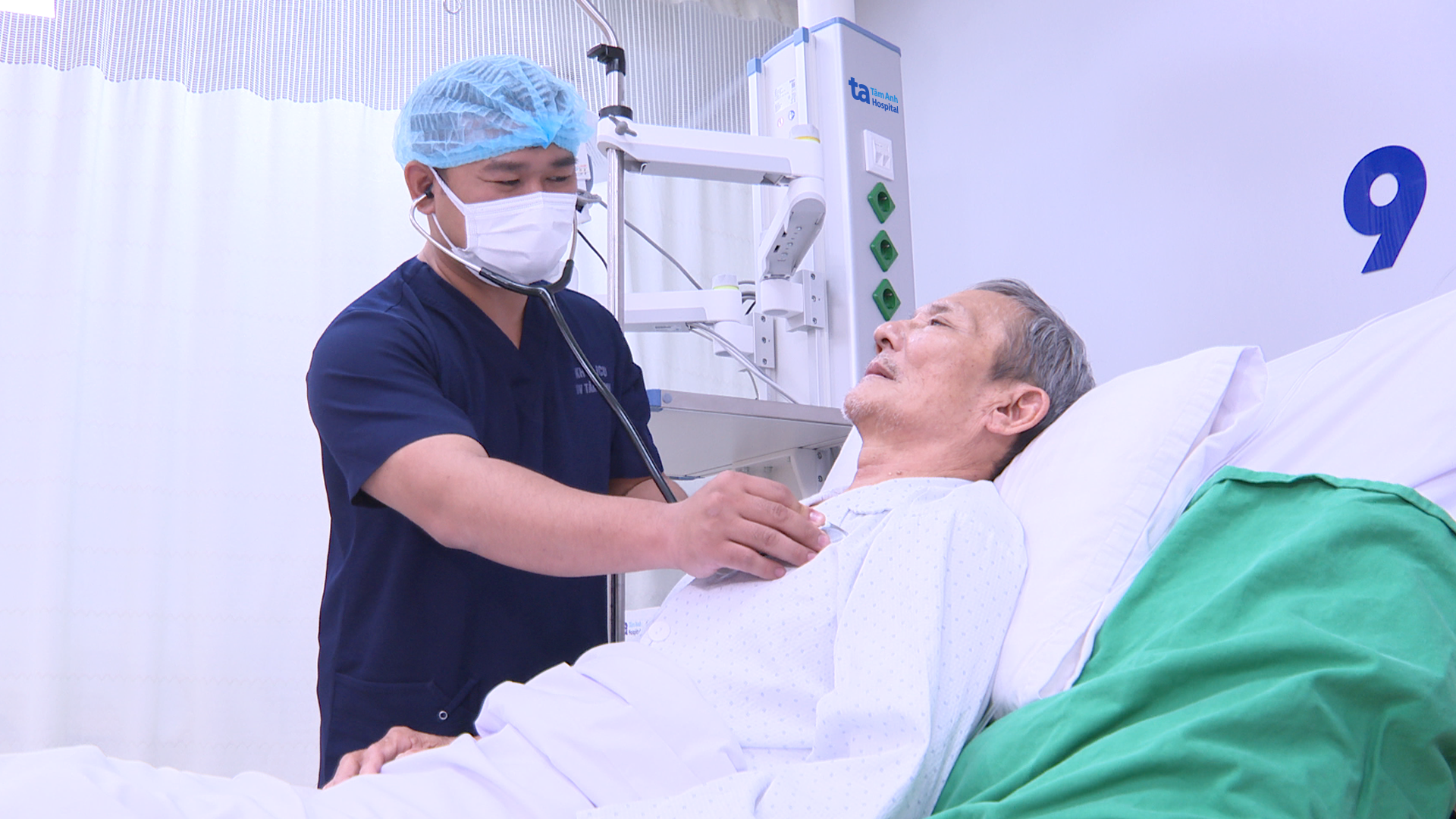 |
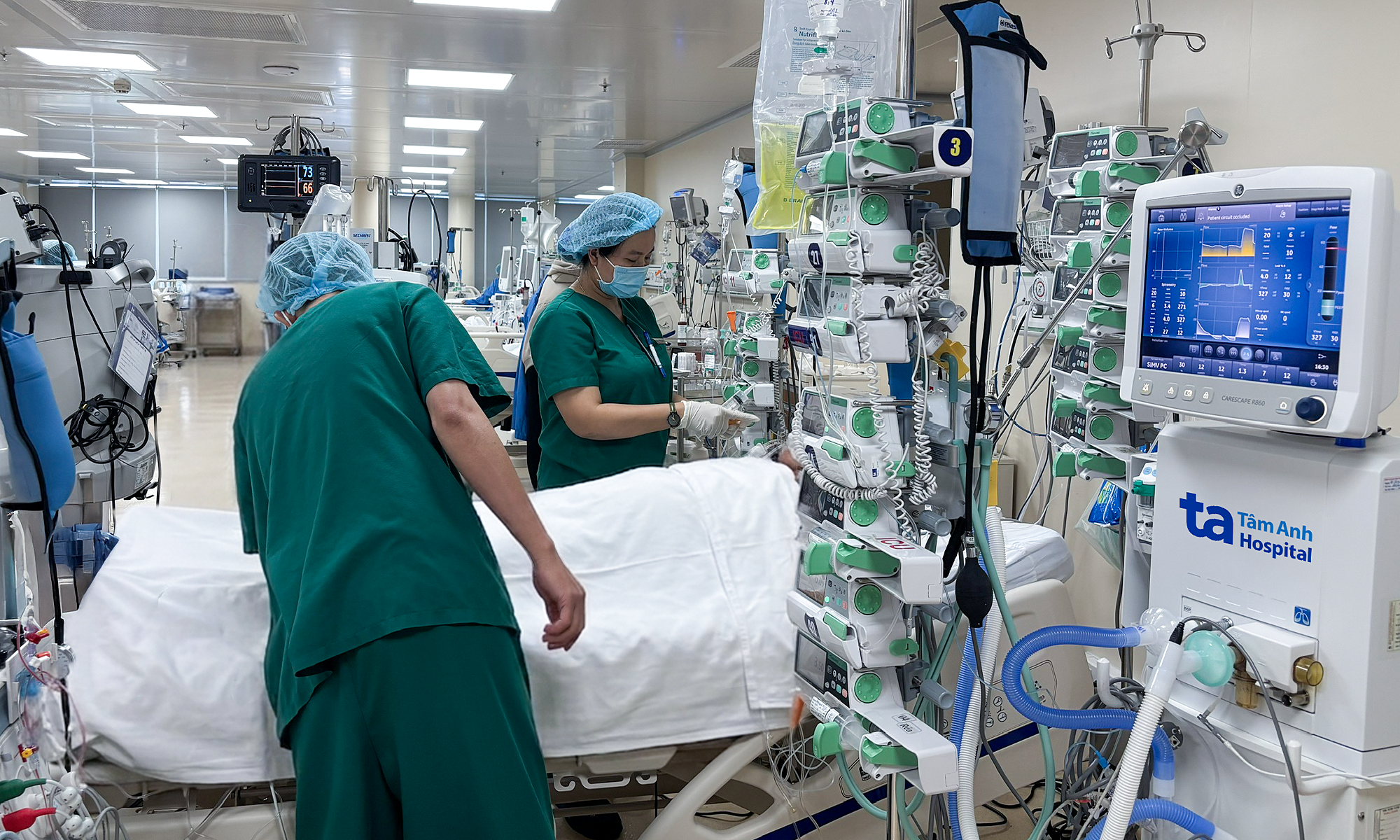
Doctor Tung examines Mr. Canh in the intensive care unit. *Photo: Tam Anh General Hospital*
Mr. Canh, who has a history of weak health and hypertension for many years, requires continued long-term medical treatment to protect his heart function and prevent complications.
Doctors advise elderly individuals and those with underlying cardiovascular conditions not to overlook symptoms such as chest tightness, shortness of breath, sweating, or unusual fatigue. If chest pain persists for more than a few minutes or recurs frequently, patients should seek medical attention. Arriving at the hospital within the "golden hour" allows doctors to intervene promptly, preventing complications.
Ly Nguyen
| Readers can submit cardiovascular questions here for doctors to answer. |