Answer:
A cough is a protective reflex that expels secretions, foreign objects, or microorganisms from the respiratory tract. A cough lasting over 8 weeks is classified as chronic, signaling an underlying respiratory issue.
Prolonged coughing can stem from benign conditions such as gastroesophageal reflux disease, asthma, postnasal drip from sinusitis, or chronic bronchitis. However, it is also among the most common initial symptoms of lung cancer.
A cough caused by lung cancer arises when a tumor irritates the airway lining or narrows the bronchial lumen. Cancer-related coughs typically do not improve with common medications and tend to worsen over time. The risk of malignancy increases if the cough is accompanied by hemoptysis (even small streaks of blood in sputum), persistent hoarseness, chest pain, or unexplained weight loss.
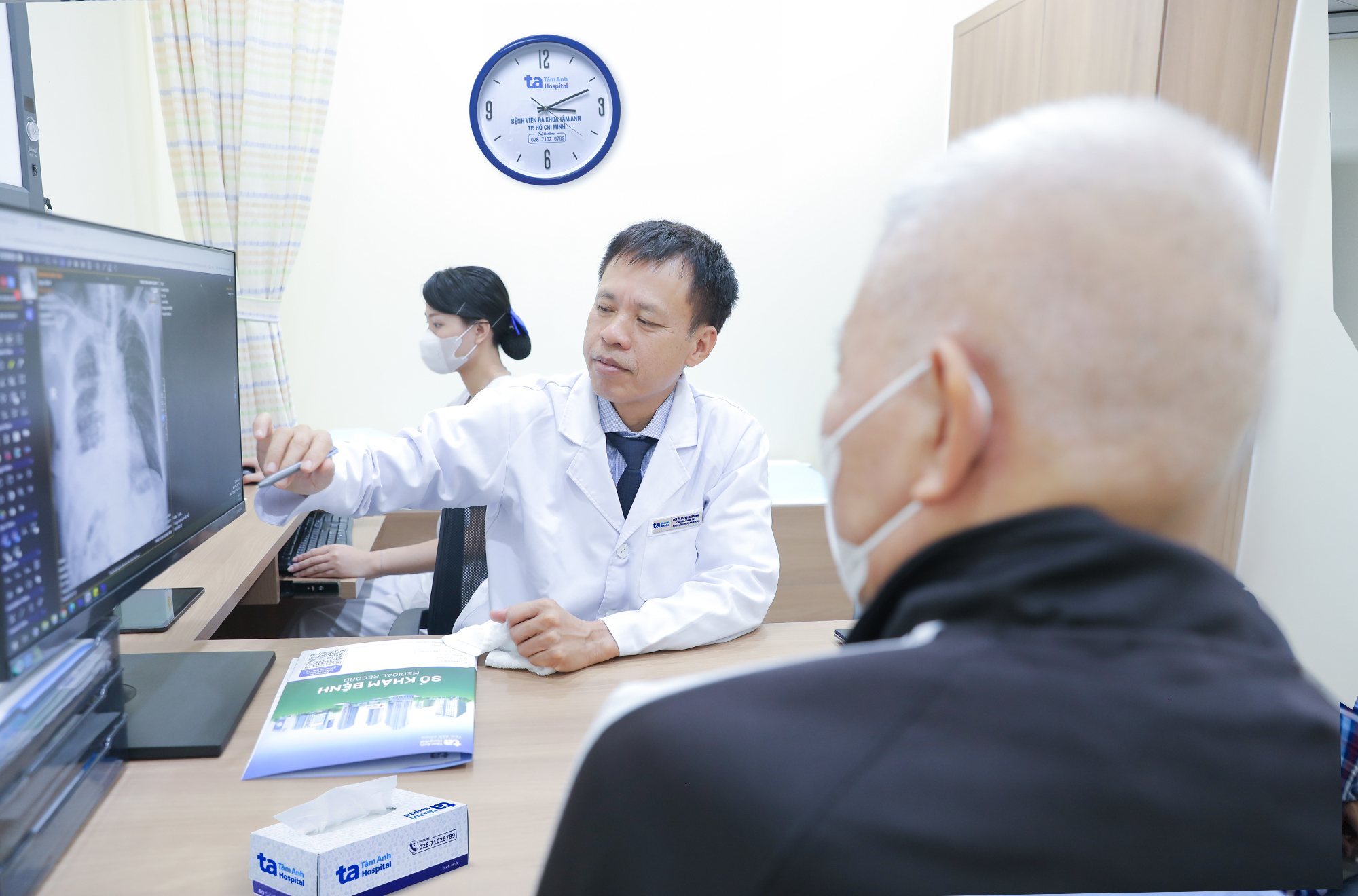 |
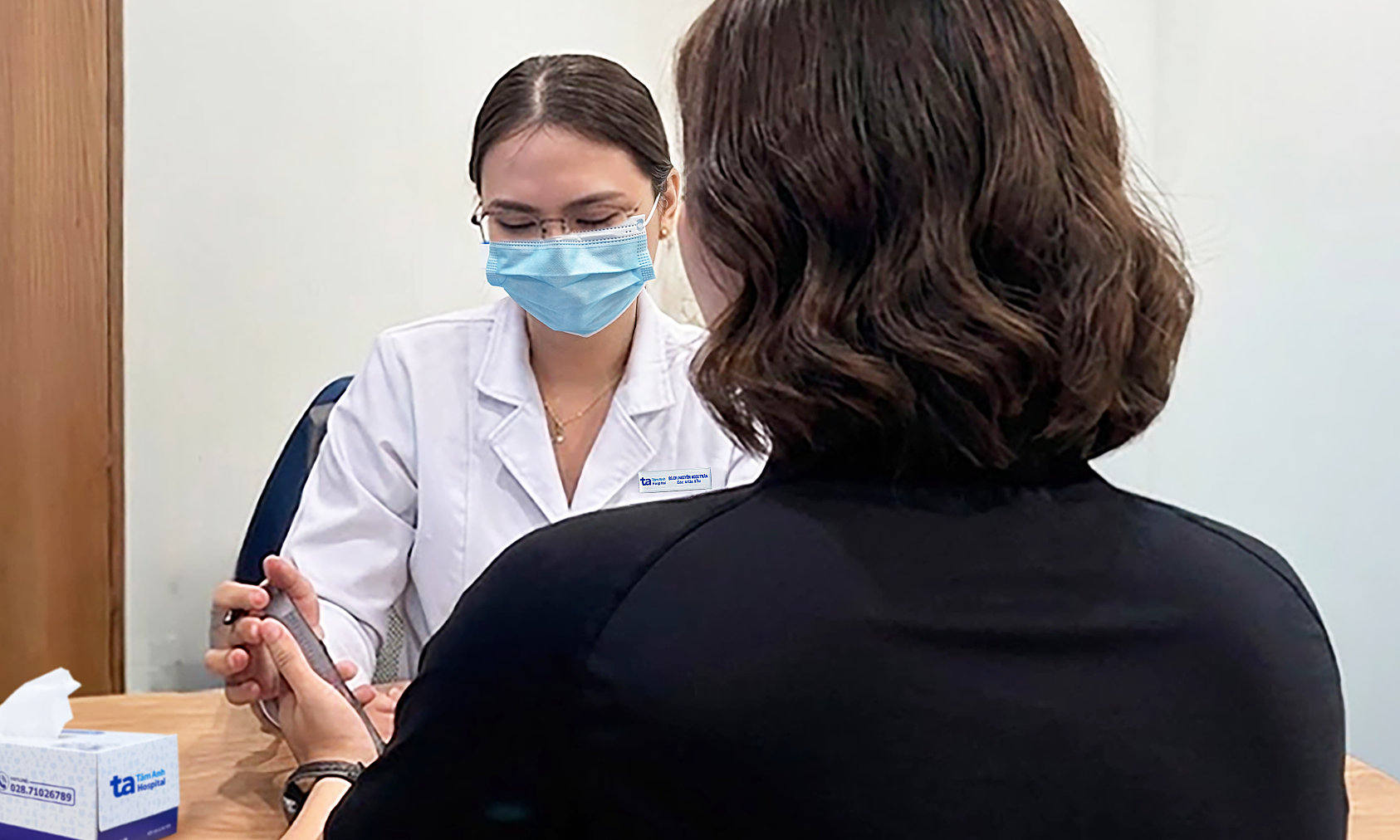
Associate Professor Vinh explains the causes of cough to a patient. *Photo: Tam Anh General Hospital* |
For an individual who smokes and has coughed for over a month, this alone is not sufficient to confirm lung cancer. A medical examination is recommended for proper assessment. Doctors will perform a clinical examination and may order a chest X-ray or low-dose computed tomography (CT) scan of the lungs. These are important screening methods that help detect very small tumors or lung nodules that are often difficult to identify during a routine check-up.
In addition to imaging diagnostics, doctors may recommend a flexible bronchoscope to directly visualize the airway and obtain a biopsy sample if any lesions are found. Early determination of the cough's nature helps patients alleviate cancer fears, treat other respiratory conditions definitively, and prevent long-term complications like pulmonary fibrosis or respiratory function decline.
When lung cancer is detected at an early stage, patients have a high chance of successful treatment. Currently, with modern technology such as robot-assisted surgery, doctors can safely and effectively access and remove tumors, minimizing invasiveness, reducing blood loss, and preserving healthy surrounding lung tissue.
Concurrently, you should quit smoking, keep your respiratory tract warm, and wear a face mask outdoors to limit exposure to fine dust, avoiding irritants like smoke, cold, or chemicals. Additionally, you should maintain a healthy lifestyle, drink enough water, monitor symptoms, and follow your doctor's instructions for follow-up appointments to manage your condition effectively.
Associate Professor Doctor Vu Huu Vinh
Director, Thoracic - Vascular Surgery Center
Tam Anh General Hospital, TP HCM
| Readers can submit questions about cancer here for doctors to answer. |