Dr. Nguyen Anh Duy Tung, a nutrition and dietetics specialist at Tam Anh General Clinic, District 7, stated that Nhi weighs 74 kg, has class one obesity, a body fat percentage over 40%, and reduced muscle mass. Her visceral fat area increased by nearly 200 cm², posing a risk of metabolic disorders and cardiovascular health issues. Her Binge Eating Scale (BES) score was 34, indicating a severe level.
Nhi shared that around 9 p.m. daily, she would eat late at night feeling sad and empty, as a way to "release stress". This situation began about two years ago, occurring two to three times a week, and gradually increased in frequency. Nhi attempted to fast the next day to lose weight, but skipping meals led to extreme hunger. The cycle of binging, restricting, and compensatory eating left her unable to control her weight, leading to frequent acid reflux and digestive issues.
Doctor Duy stated that Nhi is easily emotional and unable to cope with mental pressure, diagnosing her with psychological binge eating disorder. This is a common mental eating disorder in women, especially those aged 20-29, causing rapid weight gain. Patients are at risk of nutritional deficiencies due to unbalanced diets. Some individuals also resort to unsafe measures such as using laxatives, self-induced vomiting, or excessive exercise to eliminate food from their bodies.
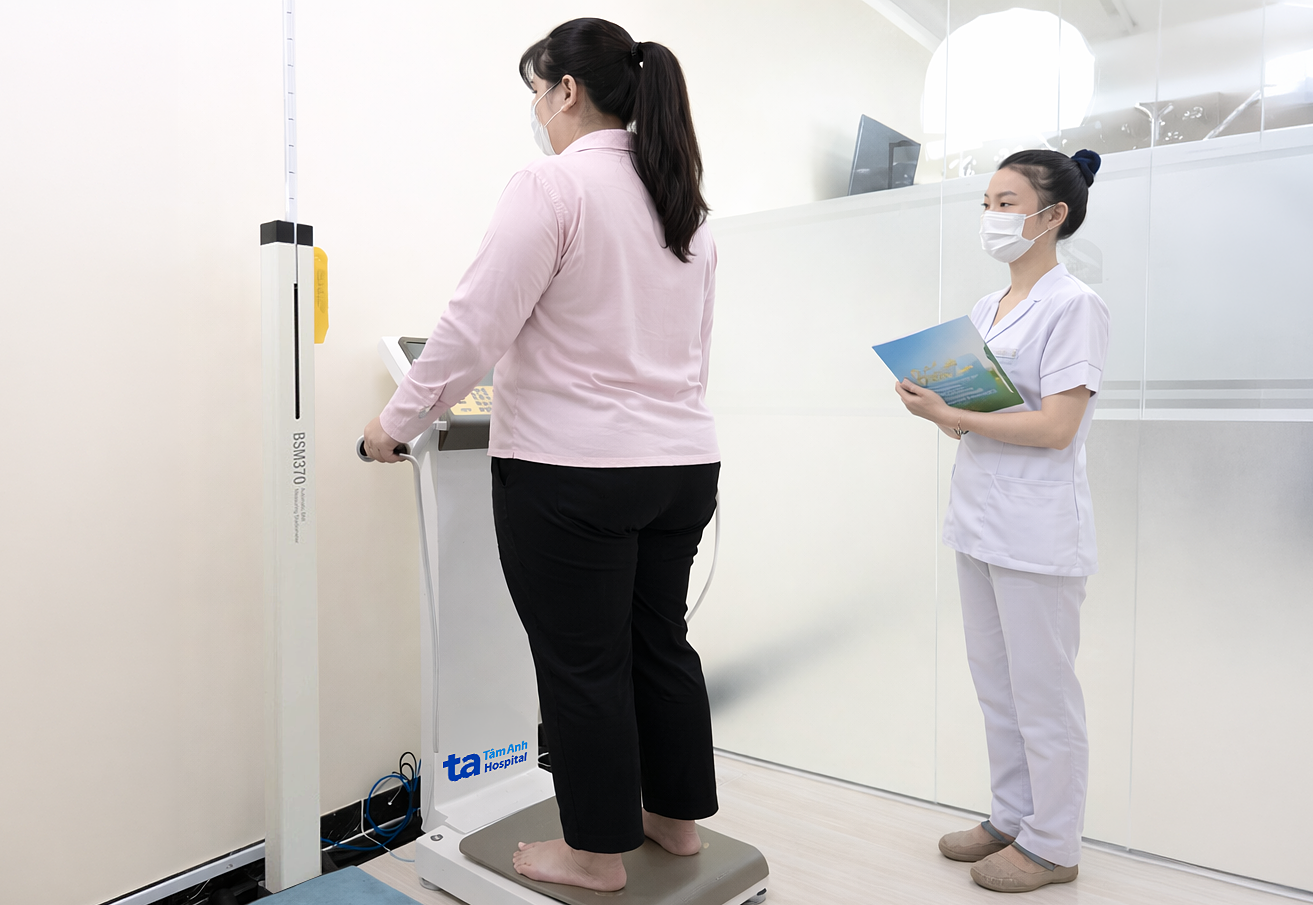 |
Nhi measuring her body composition using an InBody 770 machine. *Photo: Tam Anh General Hospital* |
Doctor Duy Tung designed a four-month intervention program for Nhi, including one month of inpatient treatment combined with nutritional counseling and psychotherapy. The treatment plan aims to help patients adopt healthy eating habits, following the principle of three main meals and two snacks daily. The menu is designed to provide balanced nutrition, including: carbohydrates, protein, healthy fats, fiber, vitamins, and minerals.
The doctor guided Nhi to eat at regular times to avoid excessive hunger, a factor that often triggers binge eating episodes. Developing the habit of eating slowly and chewing thoroughly helps the body recognize satiety signals. Nhi also needs to take antidepressants and keep a daily food diary so the doctor can monitor her eating times, dishes, hunger levels, and emotions before and after meals.
After three months, Nhi's psychological state gradually stabilized, her cravings reduced, and her blood sugar and triglyceride levels decreased compared to initial measurements.
 |
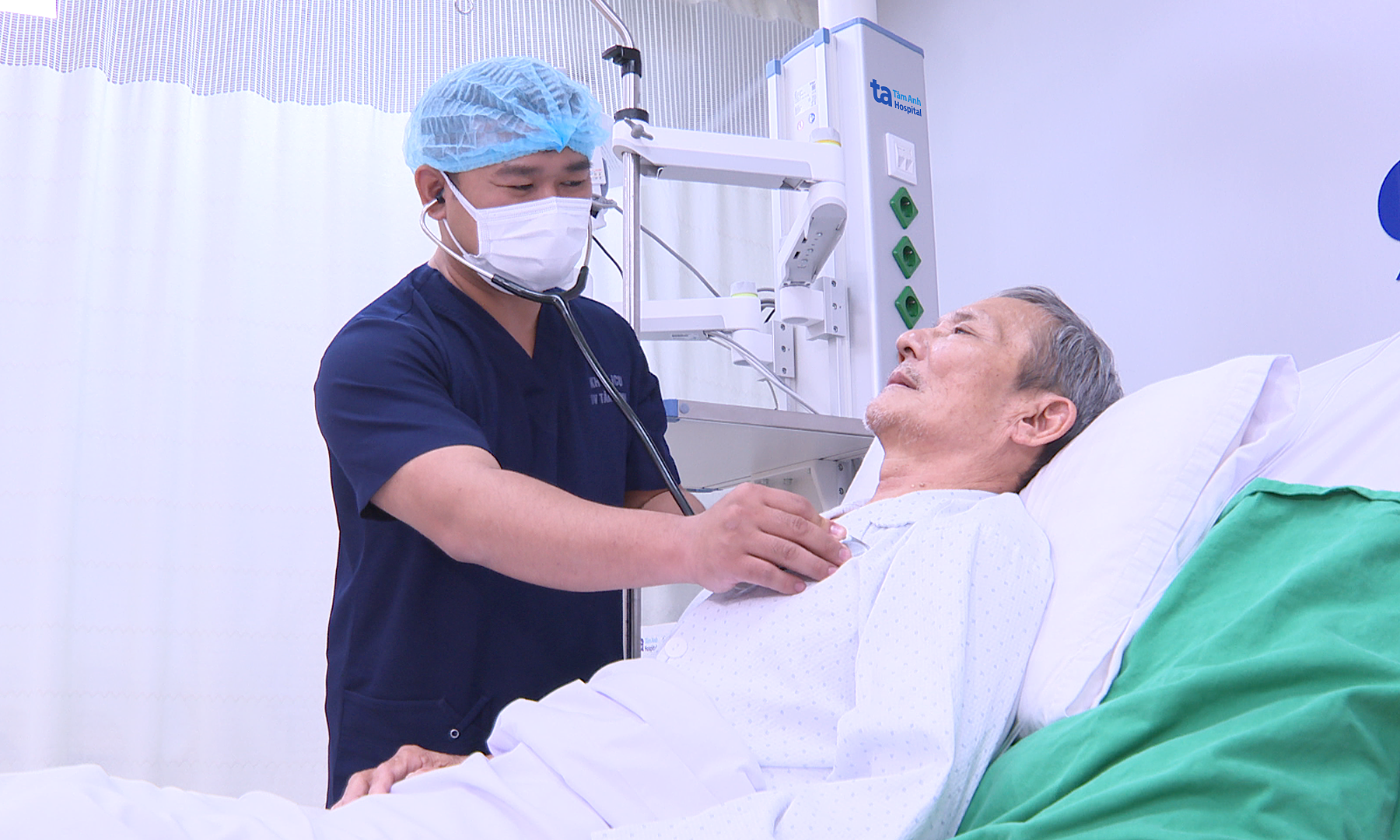
Doctor Duy Tung advising Nhi on a balanced nutrition diet. *Photo: Tam Anh General Hospital* |
The exact cause of psychological binge eating disorder is currently unknown. Common risk factors include a history of obesity, preoccupation with weight or body image, and psychological issues such as stress, anxiety, or depression.
If psychological binge eating disorder persists, potential complications include abdominal pain, bloating, weight gain, gastroesophageal reflux, stomach ulcers, menstrual irregularities or amenorrhea, and hair loss. Mentally, prolonged anxiety can lead to depression or self-harming behaviors.
The doctor recommends maintaining a balanced and scientific diet with low-fat, high-fiber foods and lean protein. Prioritize a complete breakfast, supplement with green vegetables, fruits, nuts, and drink 1.5-2 liters of water daily. Limit fast food and greasy foods, and exercise regularly for 60 minutes daily. When experiencing signs of overwhelm or stress, openly share with family and friends. If weight gain becomes uncontrolled, individuals should seek nutritional consultation for early intervention.
Quoc An
*Patient's name has been changed
| Readers can submit nutrition questions here for doctor's answers. |