Dr. Ly Gia Cuong, a first-degree specialist physician in the Emergency Department at Tam Anh General Hospital Ho Chi Minh City (TP HCM), noted that the patient had a fast heart rate of 126 beats per minute, severe pneumonia, pleural effusion, and blood oxygen saturation (SpO2) had dropped to 91%, showing no improvement after oxygen therapy via nasal cannula.
The patient received respiratory support using a high-flow nasal cannula (HFNC) oxygen system, maintaining a flow rate of 40-50 liters per minute. Simultaneously, doctors administered intravenous broad-spectrum antibiotics along with bronchodilators, expectorants, hemostatic agents, and pain relievers to control his symptoms.
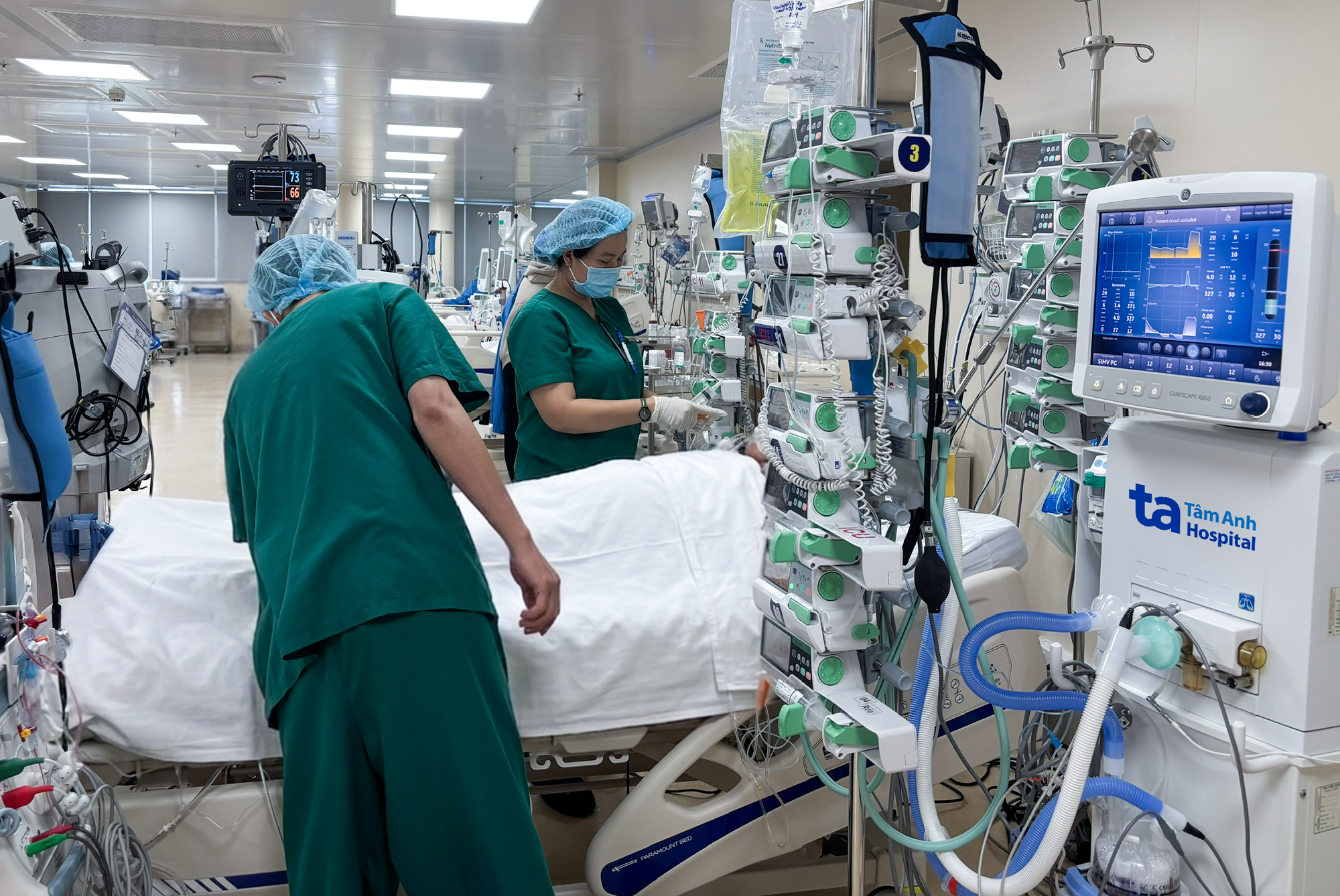 |
The patient was treated in the ICU during the acute respiratory failure phase. Photo: Tam Anh General Hospital |
Sputum PCR test results identified a high density of Acinetobacter calcoaceticus-baumannii complex bacteria, which also carried the OXA resistance gene. According to Master of Science, first-degree specialist physician Nguyen Thanh Thuy from the Internal Medicine Department, this is a multidrug-resistant bacterial strain that caused the patient's lung infection to progress severely, leading to rapid respiratory failure.
Doctors adjusted the treatment regimen to more potent antibiotics. The patient received intensive supportive care, including nebulized bronchodilators, respiratory anti-inflammatory drugs, management of coughing up blood, and nutritional support to bolster his physical condition. His respiratory status gradually improved, and he no longer coughed up blood. He was discharged after hai weeks of treatment.
Dr. Thuy explained that Acinetobacter baumannii is mot of the dangerous bacteria causing infections, commonly found in patients with severe pneumonia or chronic lung disease. A concerning characteristic of this bacterium is its ability to resist many groups of antibiotics, making treatment difficult and increasing the risk of respiratory failure.
Individuals with a history of smoking, chronic lung disease, weakened immune systems, or prolonged hospital stays are at high risk of contracting multidrug-resistant bacterial strains. Patients should seek early medical attention if they experience symptoms such as a persistent cough, thick yellow-green phlegm, chest pain while breathing, shortness of breath, or coughing up blood.
Dr. Thuy advised patients not to use antibiotics without a doctor's prescription. The misuse or improper use of antibiotics is a primary cause of the increase in drug-resistant bacteria.
By Nhat Thanh
*Patient's name has been changed
| Readers can submit questions about respiratory diseases here for doctors to answer. |