Answer:
Excessive reliance on artificial intelligence (AI) may reduce neural connections, impacting thinking skills and memory, and accelerating brain aging. While AI development automates repetitive tasks and boosts efficiency, its overuse carries potential cognitive risks.
Engaging with AI tools can result in lower neural connectivity, particularly in brain regions vital for deep thought and memory formation. Prolonged periods of minimal cognitive effort lead to reduced neural connections, especially in the alpha, theta, and delta frequency bands, which are linked to creativity, memory, and language. This can diminish independent problem-solving skills and inherent human thinking abilities.
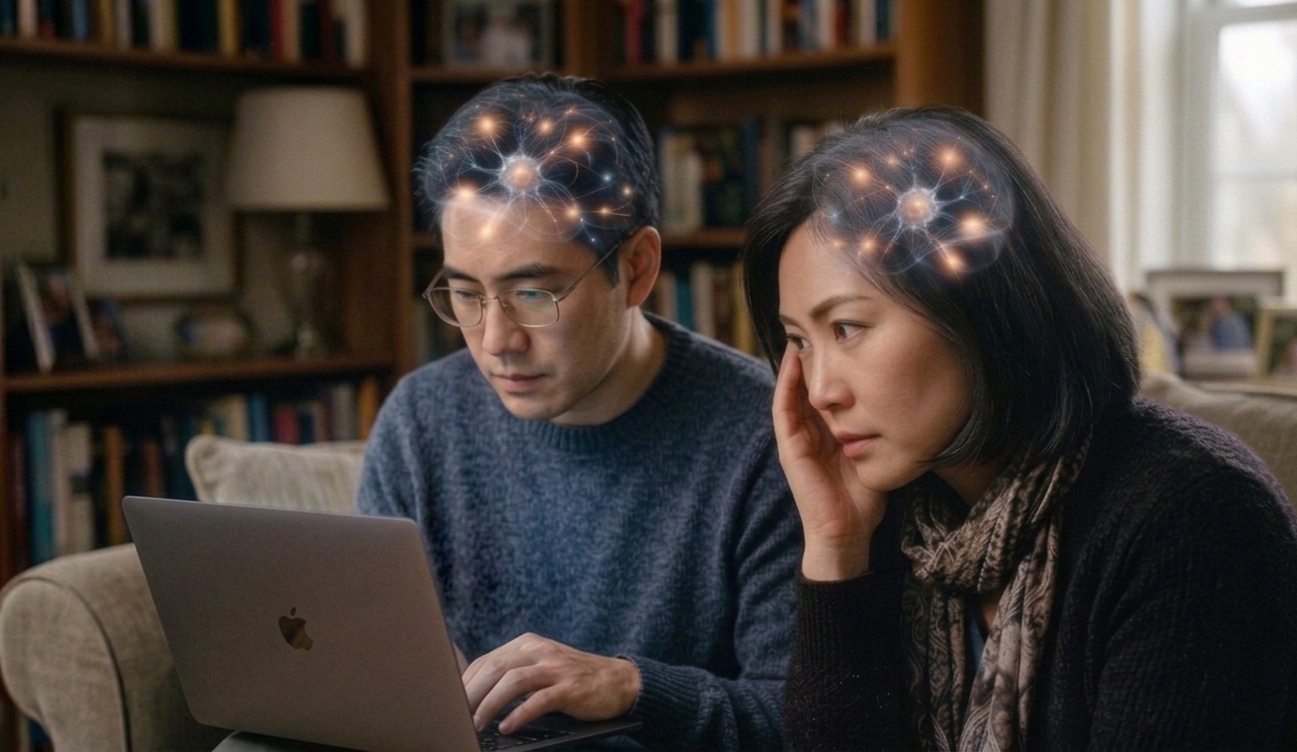 |
Abusing artificial intelligence tools can impair the brain's ability to think, create, and remember. Image created by AI |
Beyond AI technology, several factors can influence the rate of brain aging, including age, lifestyle, chronic stress, sleep quality, and the work environment.
Brain aging involves structural changes, such as shrinkage of the frontal lobe and hippocampus – areas crucial for high cognitive function. White matter sclerosis in the brain also occurs, reducing neural connections and transmission capabilities, which can disrupt brain function.
The accumulation of free radicals during metabolism also contributes to brain aging. These free radicals can attack nerve cells and cerebral blood vessels, leading to brain dysfunction and accelerating degeneration if not effectively managed.
If you experience forgetfulness and difficulty concentrating, consider visiting a neurology specialist for examination. A doctor will prescribe appropriate tests to diagnose the underlying cause, depending on your condition.
To maintain cognitive sharpness and enhance memory, combine brain training with regular exercise, stress management, sufficient sleep, and social engagement. Use AI as a supportive tool, but avoid over-reliance. For instance, attempt to solve problems independently before consulting AI, cross-reference information from multiple sources, and rephrase content using your own understanding.
Supplementing with natural antioxidants, such as anthocyanin and pterostilbene (found in blueberries), combined with ginkgo biloba, can help neutralize free radicals, improve cerebral blood flow, and support neural function, thereby boosting memory and concentration.
Doctor Hoang Quyet Tien
Medical Information Center
Tam Anh General Hospital, TP HCM
| Readers can submit questions about neurological conditions here for a doctor's response. |