The sacroiliac joint connects the sacrum and pelvis, enduring significant pressure when standing, walking, or carrying loads. Inflammation in this joint can significantly affect mobility and daily activities.
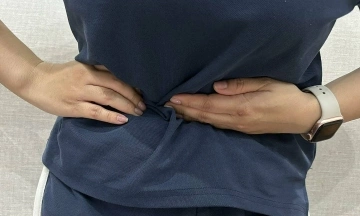
Master of Science, Doctor Pham Thu Phuong, Deputy Head of the Musculoskeletal Department, Tam Anh Cau Giay General Clinic, stated that symptoms of sacroiliac joint inflammation can appear subtly or flare up periodically, often mistaken for common lower back pain. Patients experience aching in the lower back, one or both buttocks, sometimes radiating to the groin and thighs. Pain intensity increases with activities such as: climbing stairs, prolonged standing, running, or when sitting for too long or changing positions abruptly.
In women, several common causes of sacroiliac joint inflammation include:
Hormonal changes, especially the hormones relaxin and estrogen, can loosen the ligaments around the sacroiliac joint, reducing joint stability and increasing the risk of inflammation or pain in the sacroiliac region. This condition often occurs during puberty, pregnancy, postpartum, or perimenopause.
Pregnancy causes weight gain and postural changes, increasing pressure on the sacroiliac joint. Simultaneously, the hormone relaxin relaxes pelvic ligaments in preparation for childbirth, making the joint less stable and more susceptible to inflammation. Postpartum, if the mother has not fully recovered but engages in excessive activity or frequently carries the baby, sacroiliac joint inflammation and pain can persist.
Pelvic infections caused by bacteria entering the urinary tract leading to gynecological inflammation can also cause reactive arthritis in the sacroiliac joint. Bacteria can enter the sacroiliac joint via the bloodstream or after trauma, causing septic arthritis, though this is rare.
Injuries from falls, accidents, or intense physical activity can directly affect the sacroiliac joint. Sports requiring significant hip rotation or weight-bearing, such as: running, soccer, tennis, can damage ligaments around the joint and cause inflammation.
High-intensity training, especially without adequate warm-up, can put pressure on the lower back and pelvic region, leading to prolonged overload of the sacroiliac joint and subsequent inflammation. Exercises like: squats, deadlifts, or advanced yoga, if performed with improper technique, can also increase the risk of joint damage.
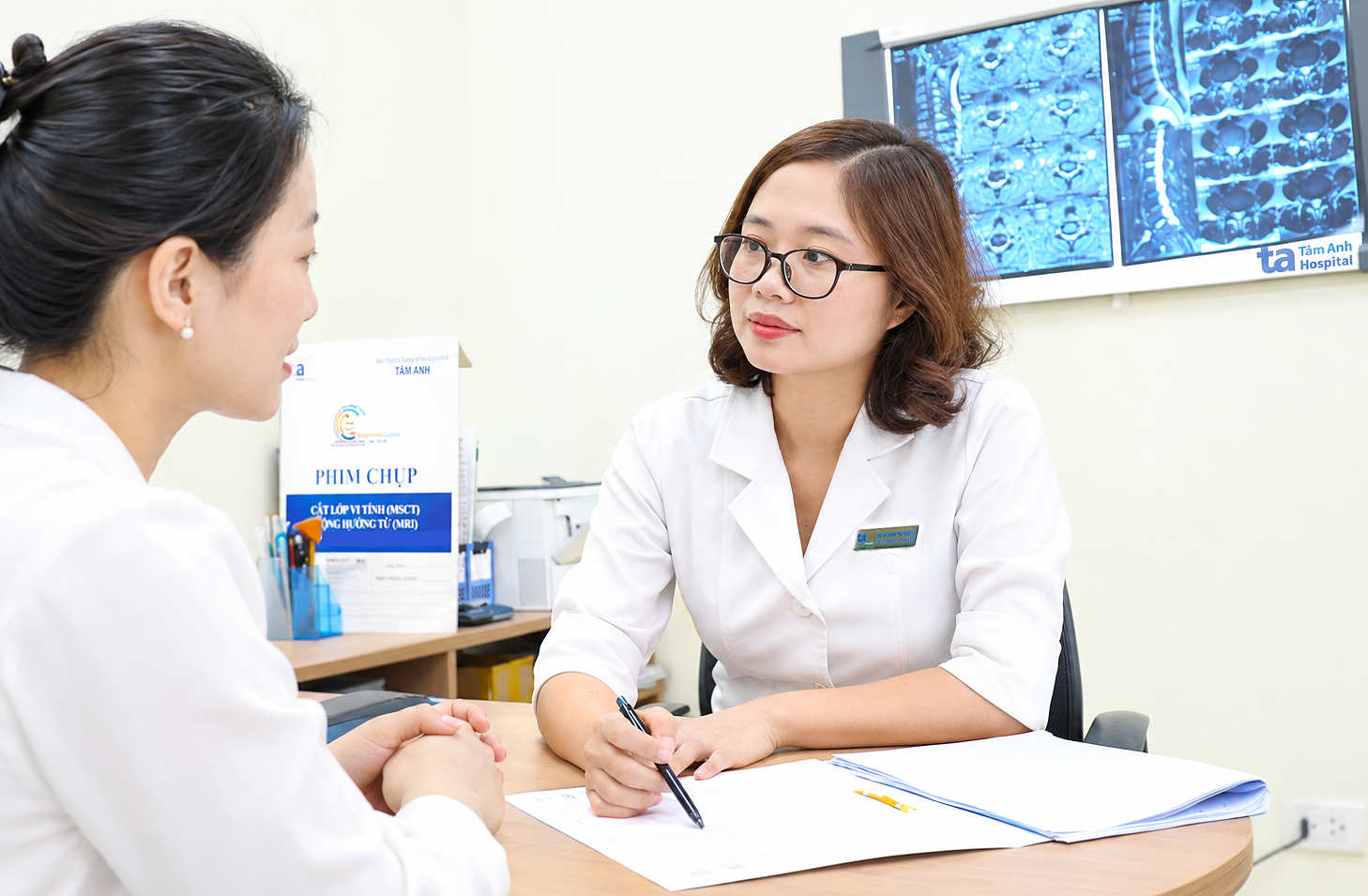 |
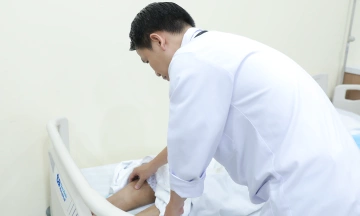
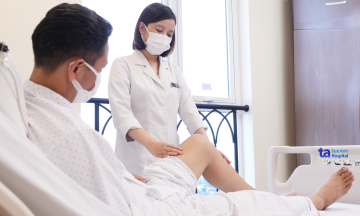
Doctor Phuong consults a patient with sacroiliac joint inflammation. Illustration: *Tam Anh Cau Giay General Clinic*. |
Doctor Phuong noted that sacroiliac joint inflammation can be an early sign of autoimmune diseases, ankylosing spondylitis, or age-related osteoarthritis, where joint cartilage erodes, causing bone ends to rub, leading to pain and inflammation.
When experiencing lower back or buttock pain lasting several days, especially if accompanied by fever, swelling, increased pain radiating down the leg, and affecting mobility and daily activities, patients should visit a specialized hospital for examination to determine the correct cause.
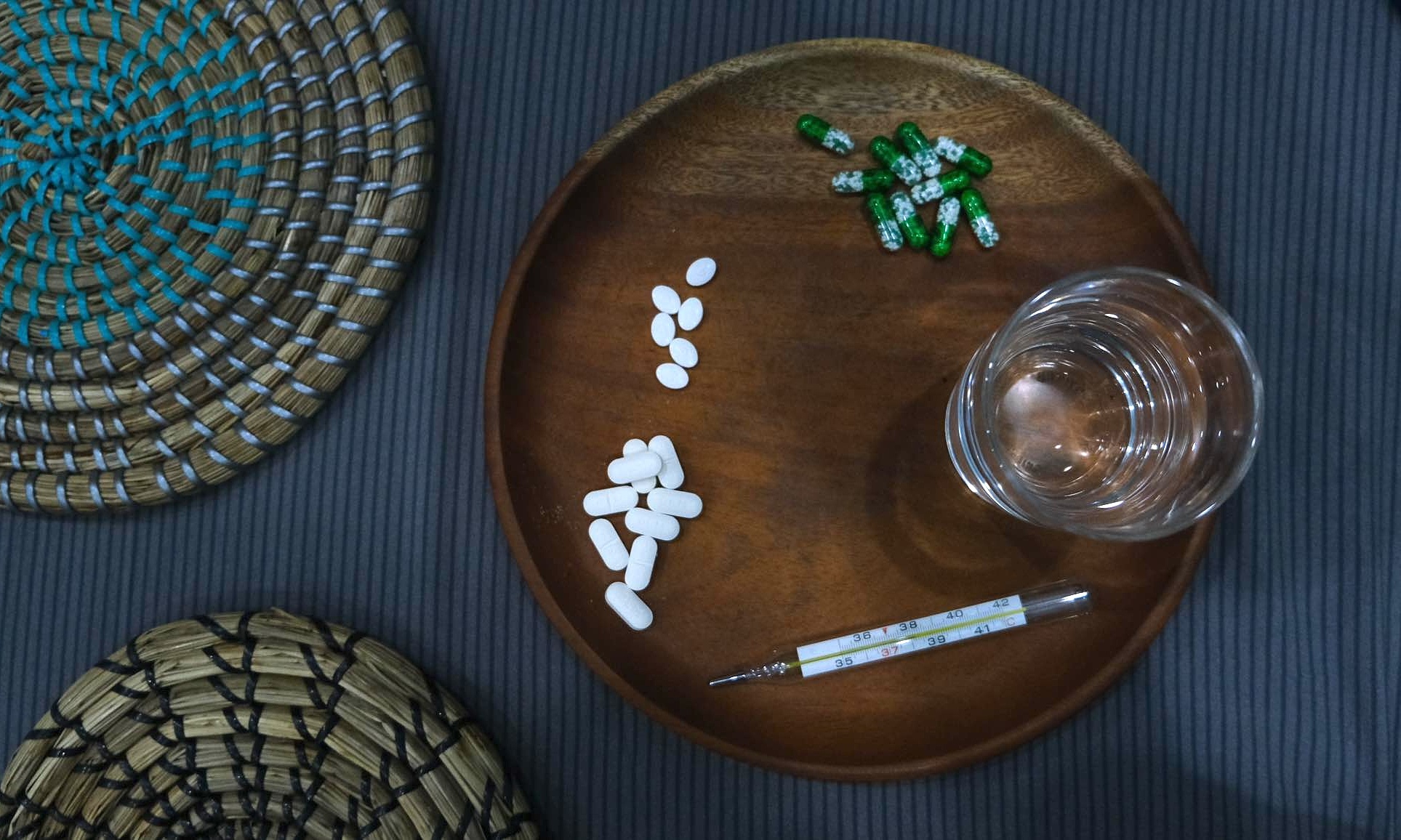
Depending on the condition, doctors treat sacroiliac joint inflammation with pain relievers, anti-inflammatory drugs, muscle relaxants, and physical therapy through stretching and strengthening exercises for the back and pelvic muscles to stabilize the joint. Patients should adjust daily habits, sit with correct posture, and limit heavy lifting and prolonged standing.
Maintaining reasonable physical activity, thorough warm-ups before sports, weight management, avoiding weight gain, maintaining correct posture during pregnancy, postpartum rehabilitation exercises, and thoroughly treating urinary tract or gynecological infections help women prevent sacroiliac joint inflammation.
Thanh Long
| Readers can submit questions about musculoskeletal diseases here for doctors to answer. |