Many new mothers experience discomfort, numbness, and significant pain in their wrists. This often stems from the considerable pressure placed on the wrists when lifting and carrying a baby, or from frequently performing movements that strain the hands and wrists. In numerous cases, postpartum wrist pain indicates either De Quervain's syndrome (inflammation of the tendon sheaths around the radial styloid process) or carpal tunnel syndrome.
Master, Doctor Nguyen Van Tu, from the Internal Medicine and Musculoskeletal Department at Tam Anh General Clinic District 7, states that depending on the specific cause, postpartum wrist pain can manifest as sudden, severe, or dull aches.
Carpal tunnel syndrome
Postpartum women often develop carpal tunnel syndrome due to repetitive movements during childcare, which puts significant pressure on the wrists and affects the structures within the carpal tunnel. This is the most common peripheral nerve compression disorder.
Patients may experience pain, numbness, or reduced to complete loss of sensation in the hand area supplied by the median nerve. In severe cases, this can lead to weakness and atrophy of the muscles in the thumb's fleshy area. This discomfort often makes daily activities challenging.
These symptoms typically do not appear suddenly but develop gradually over time. Pain often intensifies at night, waking patients and disrupting sleep quality, which can affect mental well-being. Flexing or extending the wrist, or applying pressure to the carpal tunnel area, can worsen numbness. Symptoms may lessen with rest and reduced activity.
De Quervain's syndrome
De Quervain's syndrome is an inflammation and narrowing of the tendon sheaths around the thumb (specifically, the abductor pollicis longus and extensor pollicis brevis tendons). This condition causes the tendon sheath to thicken, potentially with swelling, making tendon movement difficult and resulting in pain when moving the thumb.
The pain can worsen with flexing, extending, or rotating the wrist, or when lifting heavy objects, especially during movements involving the thumb. The skin over the affected tendon sheath may appear swollen, red, and be very tender to the touch. Postpartum childcare often leads to a sudden increase in load on the thumb and wrist, contributing to the development of this condition.
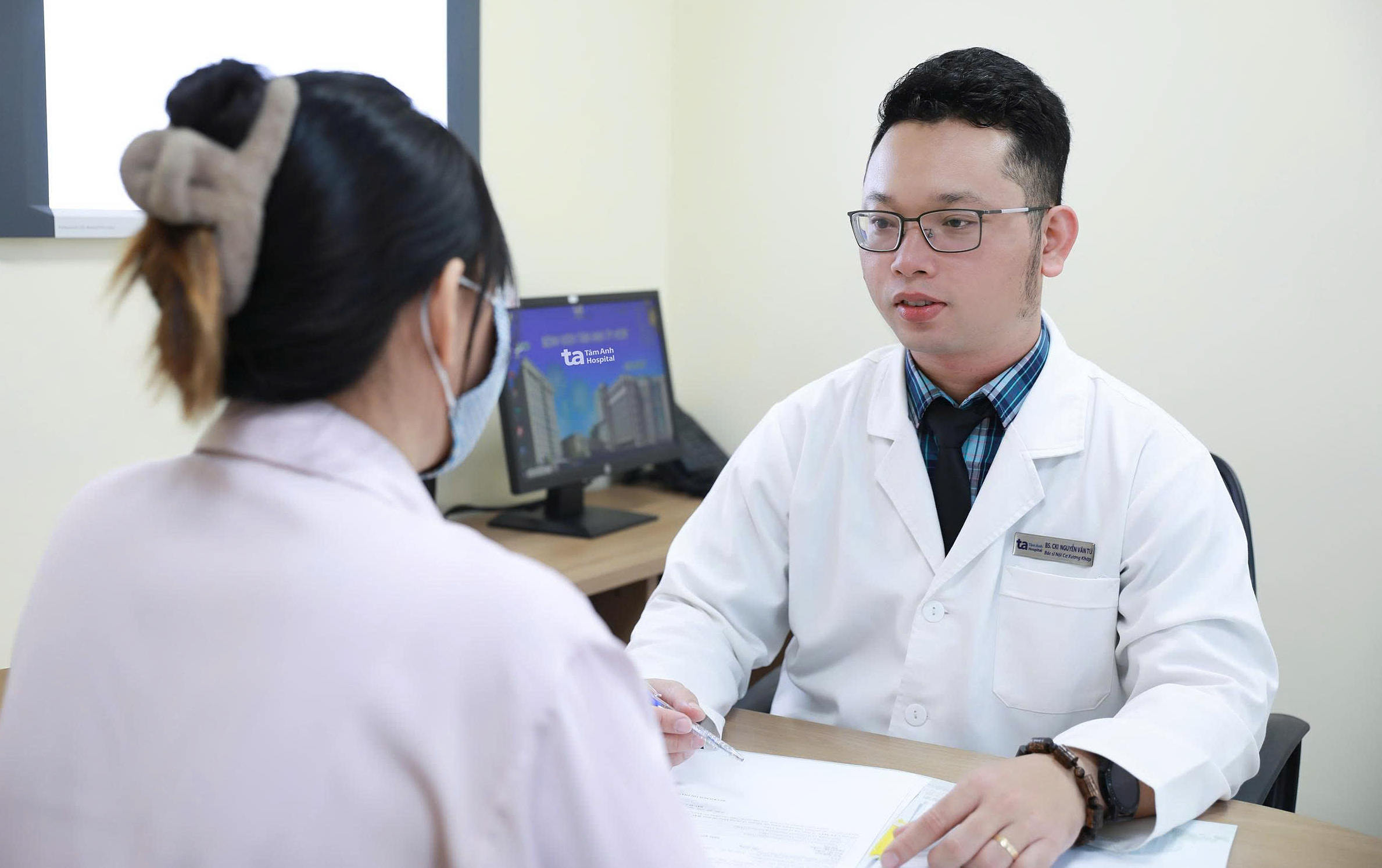 |
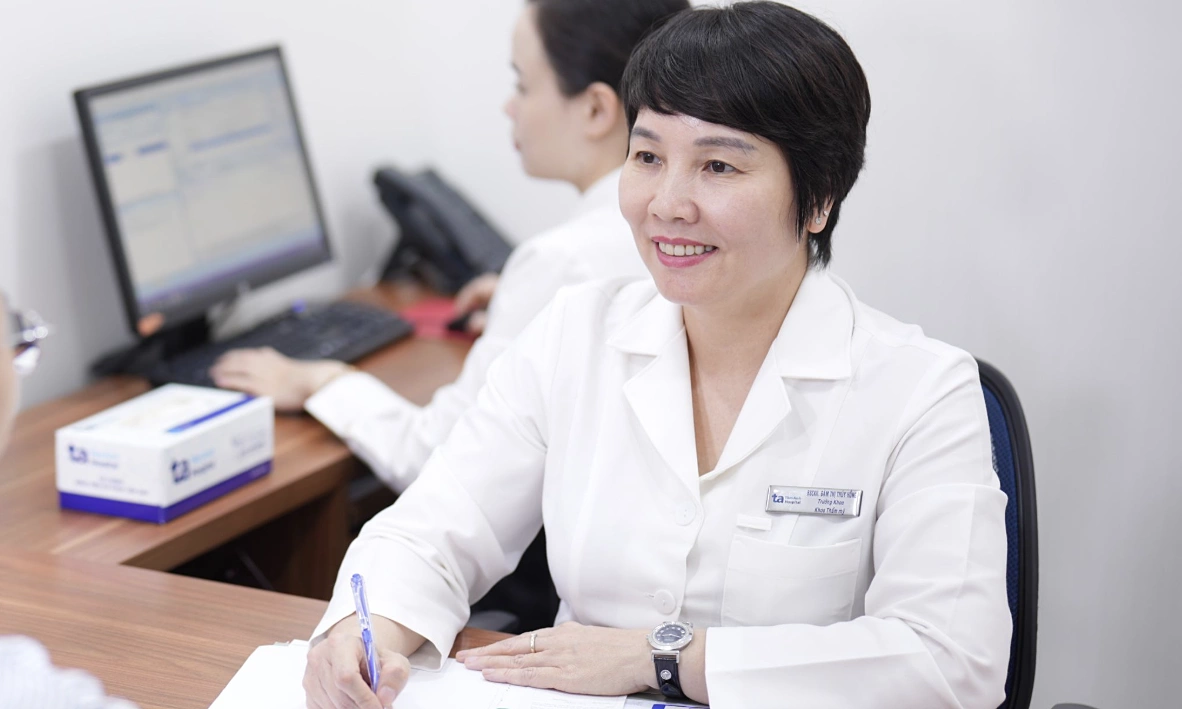
Doctor Tu explains the wrist joint condition to a patient. Photo: Tam Anh General Clinic District 7 |
Doctor Tu explains the wrist joint condition to a patient. Photo: Tam Anh General Clinic District 7
Doctor Tu notes that postpartum wrist pain often improves significantly with proper home care measures, eliminating the need for medication and avoiding any impact on breastfeeding. He recommends patients follow these guidelines:
Ensure adequate rest and avoid tasks that require extensive wrist movements to reduce pressure on the injured joints, nerves, and tendons.
Gentle massage, combined with squeezing from the forearm down to the fingers, can promote relaxation, alleviate pain, enhance flexibility, and improve blood circulation, thereby reducing aches and accelerating healing. This method is particularly effective for patients with chronic tenosynovitis or carpal tunnel syndrome.
Wearing a splint helps immobilize the injured wrist, preventing pain recurrence during childcare. In cases of severe pain, a splint allows the wrist to rest, keeps the joint straight and stable, restricts unnecessary movements, reduces wrist joint pain, and prevents re-injury.
Apply cold compresses, as low temperatures cause vasoconstriction, reducing blood flow. This helps limit bruising, decrease inflammation, and accelerate the recovery process.
Adjust movements. When caring for a child or performing daily tasks, patients should keep their wrists and thumbs in a neutral and comfortable position. While breastfeeding, mothers should lift the baby's head with a pillow or their forearm, placing a pillow underneath the baby for support.
Mothers can hold their babies in various ways to allow their wrists and fingers time to rest, preventing muscle strain. For longer journeys with the baby, prioritize using a baby carrier or stroller.
If home care measures do not alleviate the pain, or if the pain lasts for more than 3 days, patients should seek medical examination for timely and appropriate treatment.
Phi Hong