Doctor Lin Xuanren, Head of the Dialysis Unit at Asia University Hospital (Taiwan, China), issued this warning as demand for cooling foods increases during summer.
According to Lin, pure grass jelly is inherently a low-calorie, low-sugar food with low protein and starch content, making it safe for patients. However, common toppings can transform this dish into a harmful "trap" for kidneys.
The first dangerous ingredients are syrup and condensed milk. Businesses often add large amounts of concentrated sugar to enhance flavor, causing patients' blood sugar levels to spike. For individuals with kidney damage due to diabetes, poor blood sugar control accelerates kidney failure. Second are red beans, a food high in potassium and phosphorus. Dialysis patients who consume too much of these substances will place significant pressure on the body's filtering system. Finally, chewy taro balls and tapioca pearls, made from starch and taro, also contain a lot of phosphorus, quickly increasing calories and the burden on the kidneys.
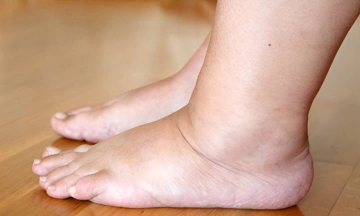
The nephrology and urology expert explained that jellies are essentially solidified water. For patients with oliguria or anuria (low or no urine output), each piece of jelly is equivalent to consuming additional fluid. This hidden fluid accumulates between dialysis sessions, leading to ankle swelling, shortness of breath, and sudden weight gain. Therefore, patients must calculate the amount of jelly consumed as equivalent to the total amount of water, broth, or soup allowed daily to avoid overloading the circulatory system.
To ensure safety, Doctor Lin suggests that patients prioritize plain, unsweetened grass jelly. If they want a change of taste, patients can use aiyu jelly or a very small amount of tapioca pearls to reduce the burden on the excretory organs.
Statistics in Taiwan indicate that approximately 2 million people live with chronic kidney disease. In its early stages, the disease often shows no clear symptoms. People should seek medical attention immediately if they notice signs such as blood in urine, persistent foamy urine, painful urination, or eyelid swelling.
When kidney function severely declines, the accumulation of waste products forces patients to rely on dialysis or organ transplantation to sustain life. The four high-risk groups that need special attention include individuals with diabetes, high blood pressure, glomerulonephritis, and those with a family history of kidney disease.
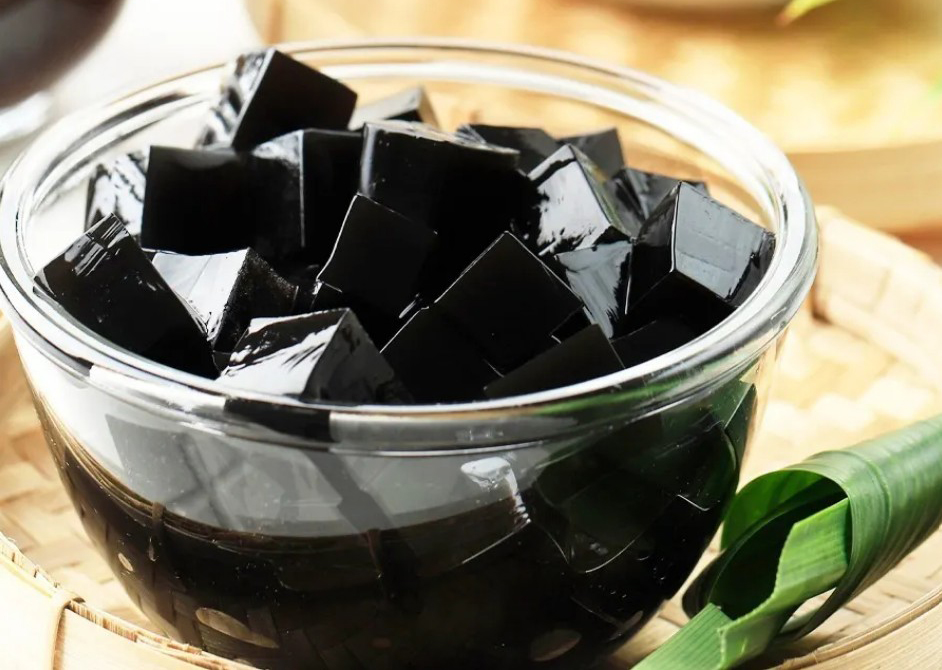 |
Illustrative photo: Ricelifefoodie |
Binh Minh (According to ST Headline)