Vy, 22, has been diagnosed with cerebral infarction after experiencing insomnia, fatigue, and shortness of breath. This is a late complication of her complex cyanotic congenital heart disease, which includes pulmonary atresia, ventricular septal defect, atrial septal defect, atrio-ventricular discordance, great artery transposition, and situs inversus.
Vy underwent four surgeries in Thailand during her first four years of life. While these procedures improved blood oxygen levels, they could not fully correct her heart defects. Following the surgeries, Vy had regular follow-up appointments, took blood-thinning medication, and received consistent treatment for heart failure.
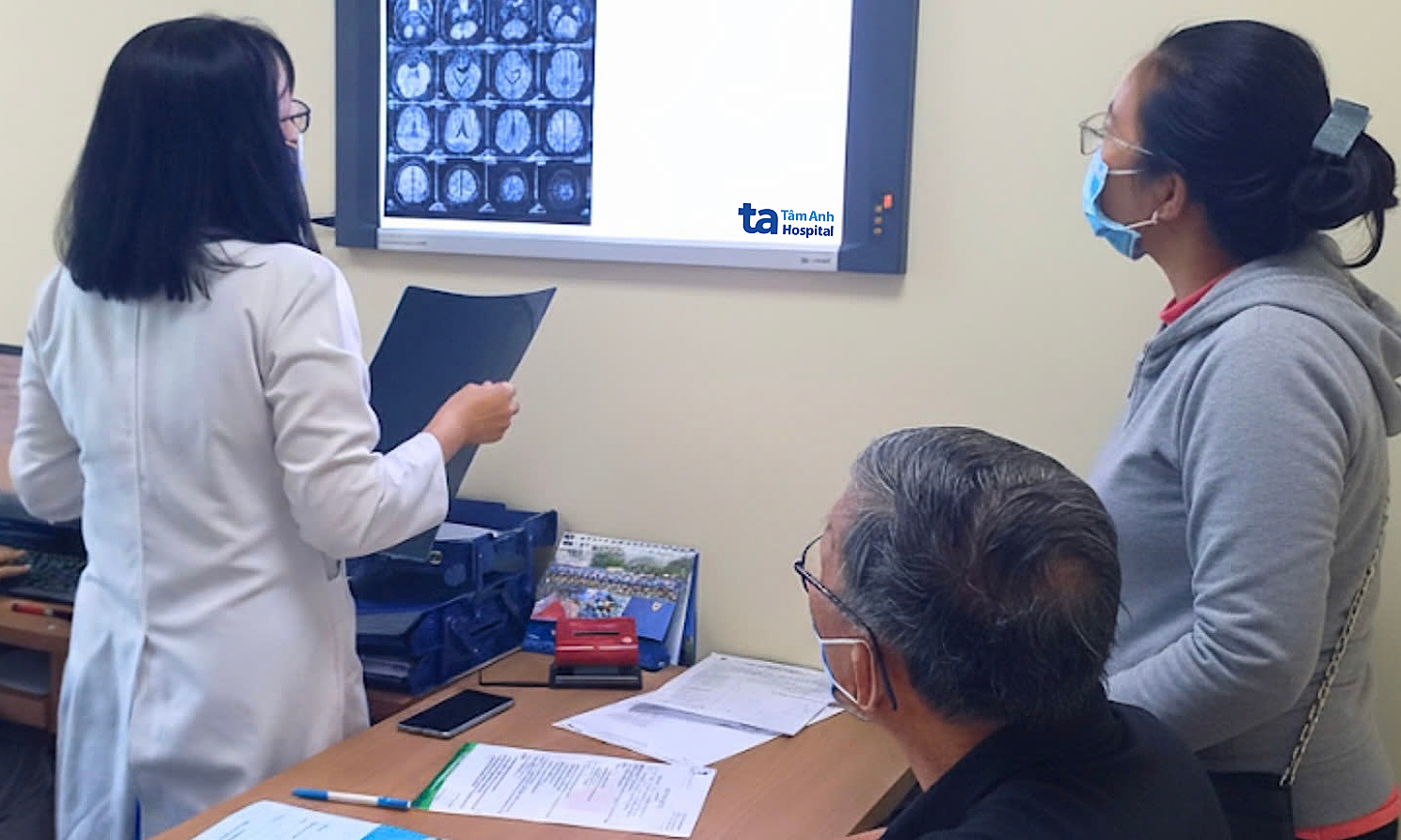
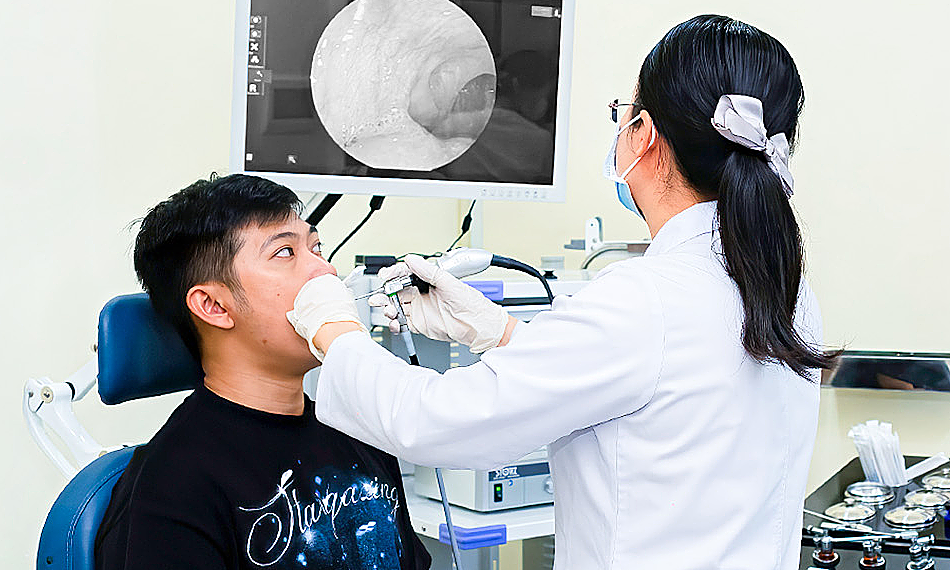
Recently, at 22 years old, Vy experienced persistent insomnia, irritability, fatigue, shortness of breath, and reduced exercise tolerance. Dr. Hoang Thi Binh, First-Degree Specialist in the Department of Cardiology at the Heart Center, Tam Anh General Hospital, Ho Chi Minh City (TP HCM), examined Vy and noted her heart function (ejection fraction - EF) was 43%. Dr. Binh diagnosed her with heart failure and right heart chamber dilation. The vascular connections from previous surgeries were functioning well, without narrowing or blockages. However, an MRI scan revealed a subacute cerebral infarction in the left lateral ventricle and an old infarction scar in the cerebellum, indicating that she had suffered two strokes.
Dr. Binh adjusted Vy's treatment plan, switching from antiplatelet medication to anticoagulant medication to prevent blood clots and reduce the risk of recurrent cerebral infarction.
"Cerebral infarction is a late complication that can occur after surgery for cyanotic congenital heart disease", said Dr. Huynh Thanh Kieu, Second-Degree Specialist and Head of Cardiology Department 1 at the Heart Center, Tam Anh General Hospital, TP HCM. In Vy's case, the primary cause is an abnormal heart structure that slows blood circulation. Despite multiple surgeries, her heart's function could not be fully restored. The slower blood flow increases the risk of coagulation and thrombus formation. Furthermore, the presence of multiple heart defects allows these thrombi to easily dislodge, potentially causing cerebral artery occlusion, peripheral artery occlusion, or pulmonary artery occlusion, which can lead to strokes or pulmonary infarction.
 |
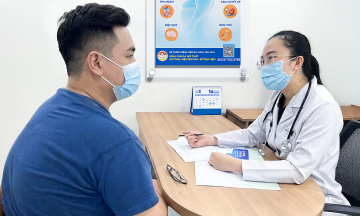
Dr. Binh instructs the patient on diet and lifestyle after discharge. Photo: Tam Anh General Hospital |
Dr. Kieu advises that patients who have undergone congenital heart surgery require long-term health monitoring to detect late complications early. Additionally, patients should adhere to a heart-healthy diet, including plenty of green vegetables, fresh fruits, and whole grains, while avoiding foods high in salt, fat, and sugar to reduce strain on the heart. Gentle exercises such as walking, yoga, or cycling can enhance cardiovascular and respiratory health, but strenuous activities and contact sports should be avoided. Patients should ensure adequate sleep, maintain a relaxed mindset, avoid stress, consistently take prescribed medications, and attend follow-up appointments as directed by their doctor.
Thu Ha
*Patient's name has been changed
| Readers can send cardiology questions here for doctors to answer |