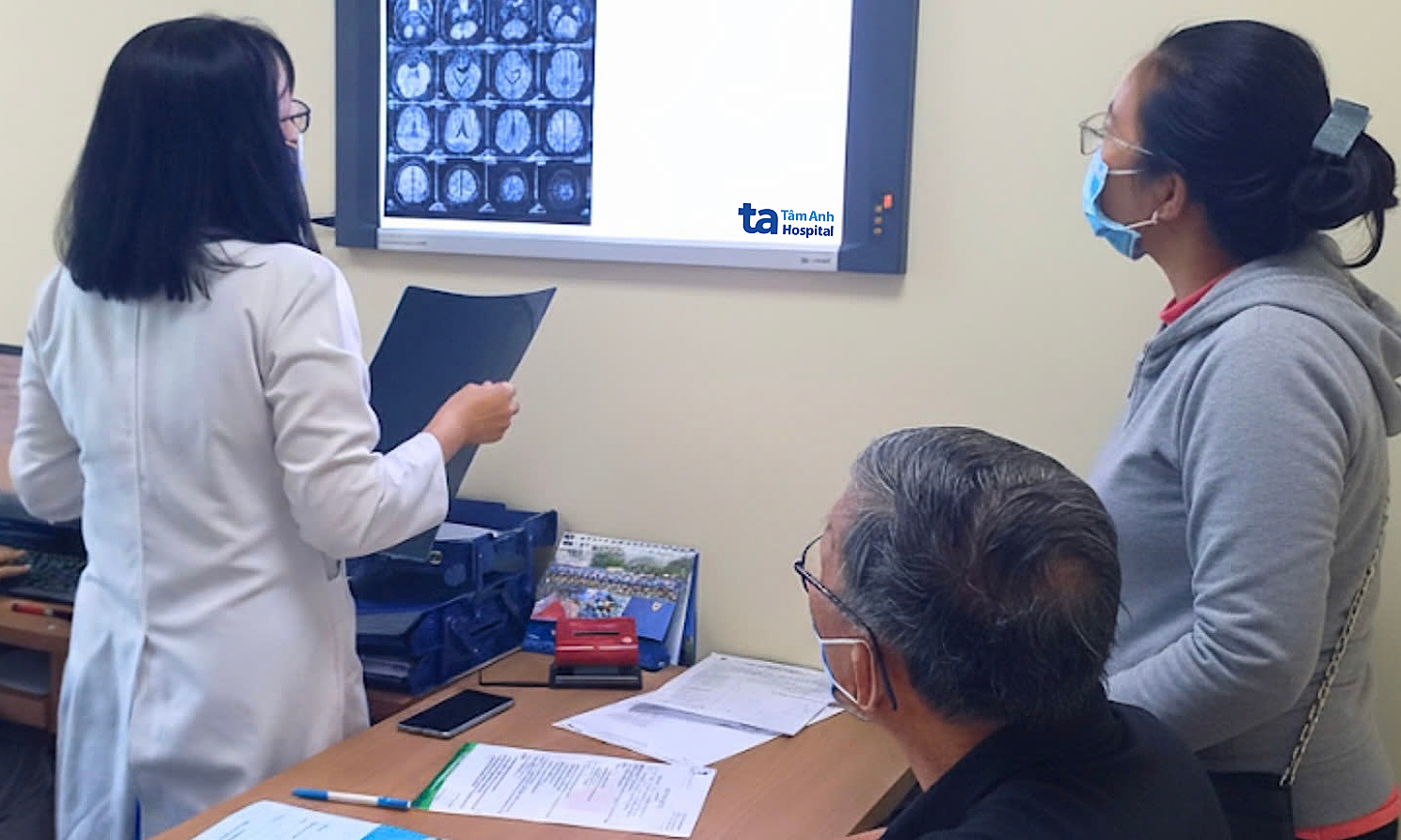
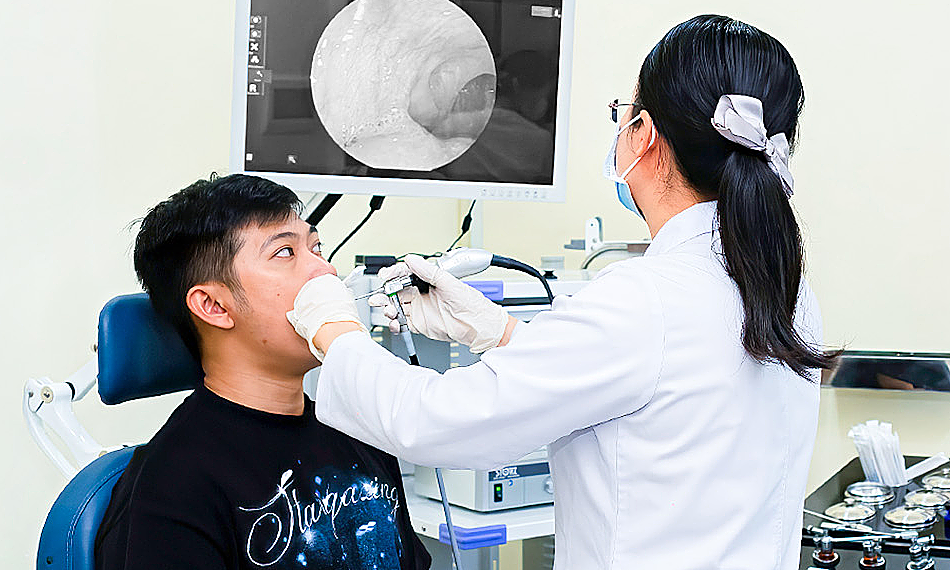
Ms. Thao, who manages hypertension and diabetes with daily medication, experienced a protruding mass in her pelvic area one year ago, causing difficulty and frequent urination. A diagnosis of bladder and uterine prolapse was made during an examination in the US, though no intervention was performed at that time.
Dr. Nguyen Ba My Nhi, Director of the Obstetrics and Gynecology Center at Tam Anh General Hospital TP HCM, stated that the patient presented with grade 3 uterine and bladder prolapse simultaneously. This condition was attributed to postmenopausal hormonal decline combined with a history of five births, which had significantly weakened her pelvic floor muscles. The medical indication for this case was surgical suspension to restore the bladder and uterus to their normal anatomical positions, thereby alleviating lower urinary tract dysfunction.
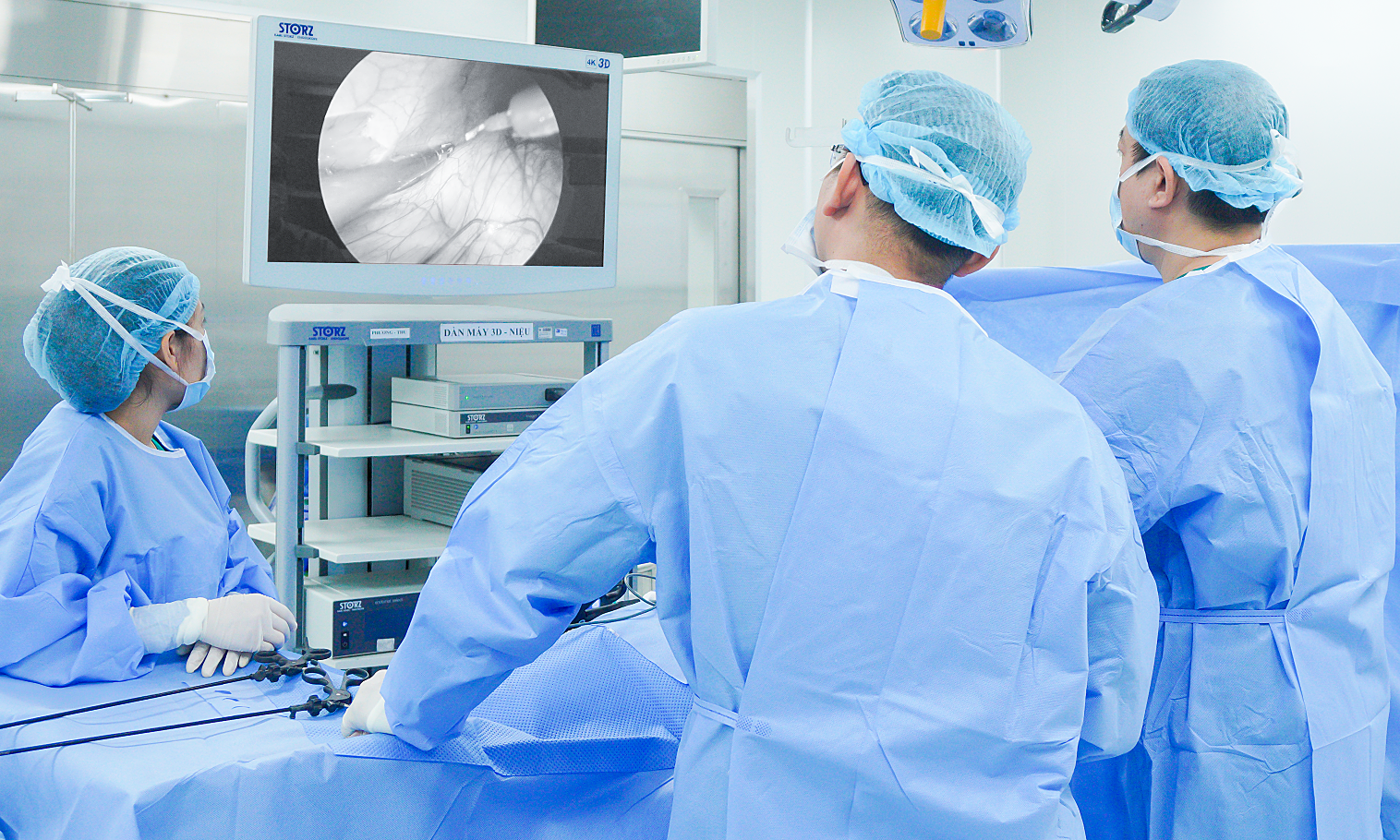
The surgical team opted for robot-assisted laparoscopic surgery. This approach minimizes invasiveness, reduces potential errors, optimizes surgical outcomes, and shortens recovery time for the patient.
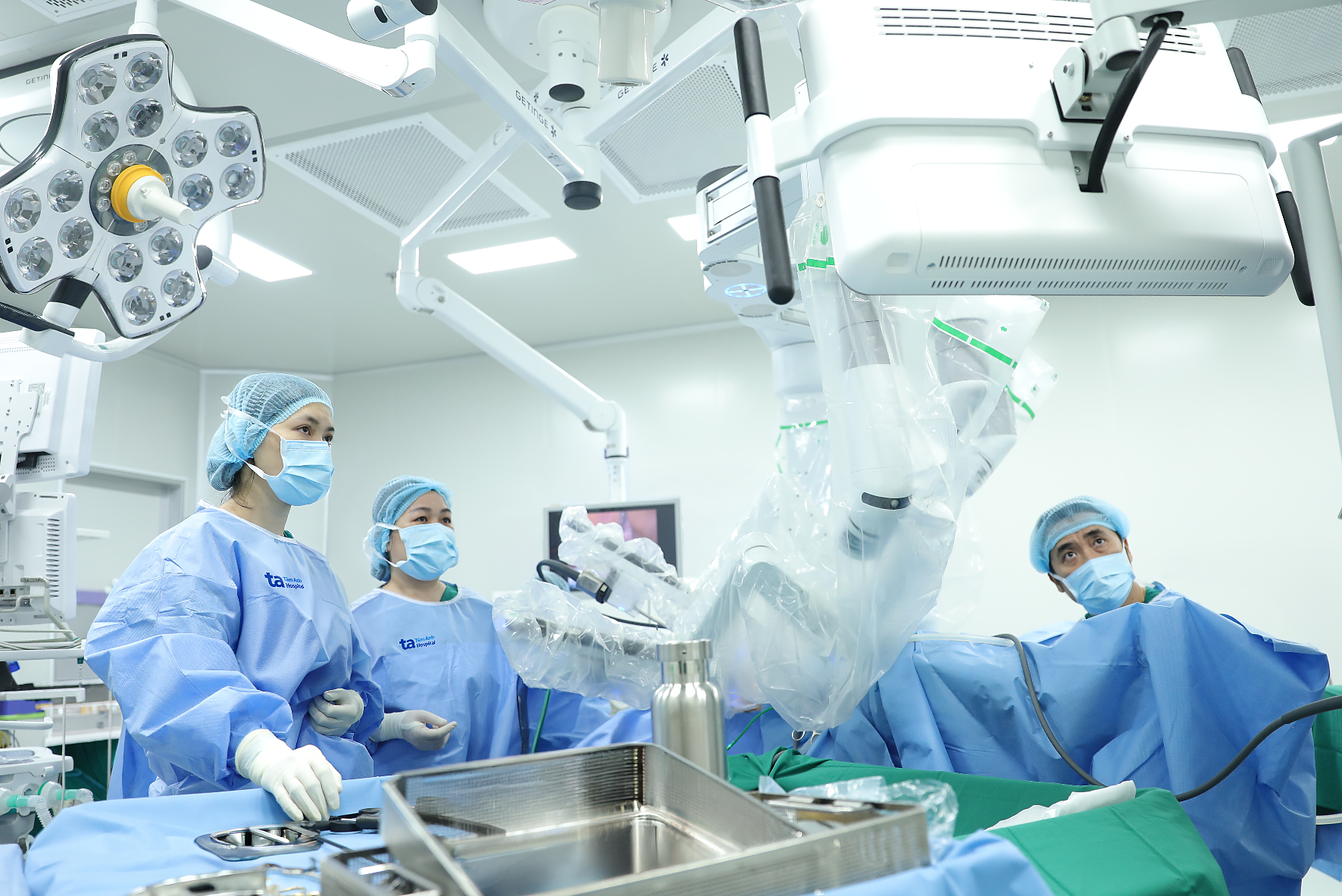 |
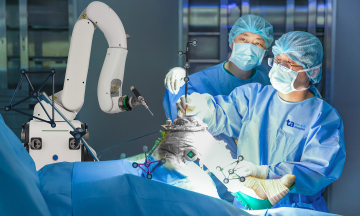
The team performing robot-assisted laparoscopic surgery with the Da Vinci Xi system for Ms. Thao's bladder and uterine prolapse. Photo: Tam Anh General Hospital
During the procedure, Dr. My Nhi skillfully controlled four robotic arms to dissect deep within the pelvic cavities. A biological mesh was then placed and secured to the bilateral pectineal ligaments, providing support to lift the uterus and bladder back into their correct anatomical positions, without requiring excision of the prolapsed mass. The robotic arms offer exceptional flexibility, and the system's camera provides magnified 3D images, enabling the surgeon to perform precise maneuvers within the confined pelvic space and reduce the risk of damage to surrounding tissues.
 |
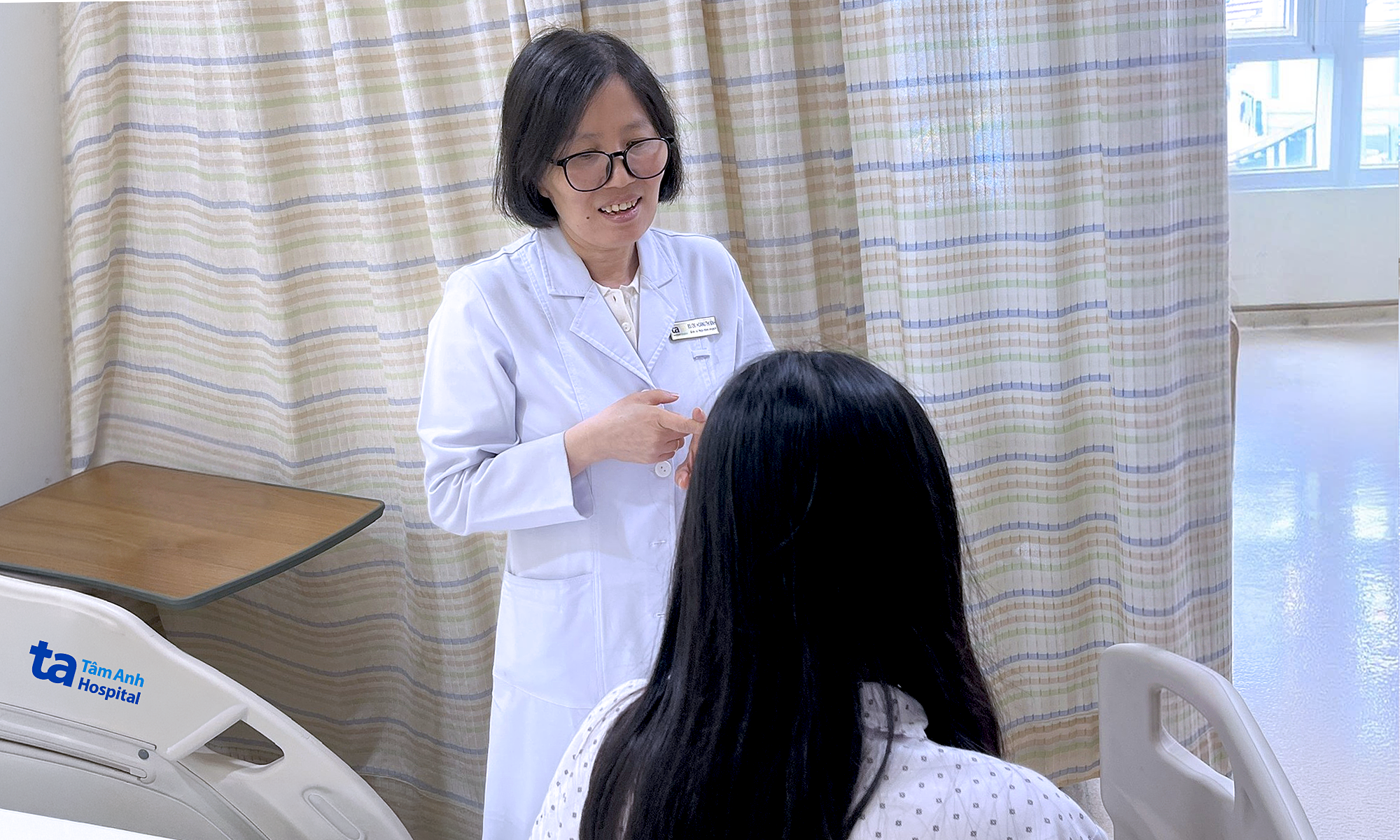
Ms. Thao recovered quickly and was discharged one day after surgery. Photo: Tam Anh General Hospital
Six hours after surgery, Ms. Thao was able to walk without pain and was discharged after one day. Bladder and uterine prolapse are common conditions in women who have had multiple births, are postmenopausal, or engage in heavy physical labor, all of which can weaken the pelvic floor muscles and cause abdominal organs to descend. This condition does not resolve on its own and requires early treatment.
Dr. My Nhi advises women to be vigilant for symptoms such as a feeling of heaviness in the pelvic area, a mass protruding from the vagina, urinary dysfunction, or abnormal bleeding. Treatment initiated in the early stages is generally simpler and associated with fewer complications. Following surgery, patients should engage in light physical activity, avoid strenuous exertion or heavy lifting, maintain a diet rich in vegetables, and drink sufficient water to prevent constipation. Regular follow-up appointments are also essential. For patients residing abroad, like Ms. Thao, it is advisable to carry surgical records when returning to their home country and to seek follow-up care at a healthcare facility with specialized gynecology or urology departments for continued monitoring.
Minh Tam
| Readers can submit questions about obstetrics and gynecology here for a doctor's response |