Second-degree specialist doctor Tran Le Thanh Tam, head of the Neurology Department at Tam Anh District 7 General Clinic, states that many stroke patients experience numbness on one side of their hand, which may spread to their face or half of their body beforehand. These symptoms often last only a few minutes before resolving, causing patients to overlook them and not seek further medical attention.
The brain consumes a large amount of oxygen. When blood flow to the brain is interrupted, nerve cells quickly become energy-deprived. This disrupts signal transmission in the motor and sensory cortex, leading to symptoms such as numbness, hand weakness, or transient loss of sensation.
This condition commonly occurs during a transient ischemic attack (TIA), where a cerebral blood vessel is temporarily blocked before naturally reopening. A small blood clot or an atherosclerotic plaque can reduce blood flow for several minutes, then dissolve or move, causing symptoms to disappear completely.
According to doctor Tam, because symptoms can resolve quickly, many people mistake them for general fatigue or common cerebral ischemia. However, this indicates an underlying issue with the cerebrovascular system. Atherosclerotic plaques can continue to grow or form larger blood clots, leading to prolonged vascular obstruction and a stroke with irreversible brain damage.
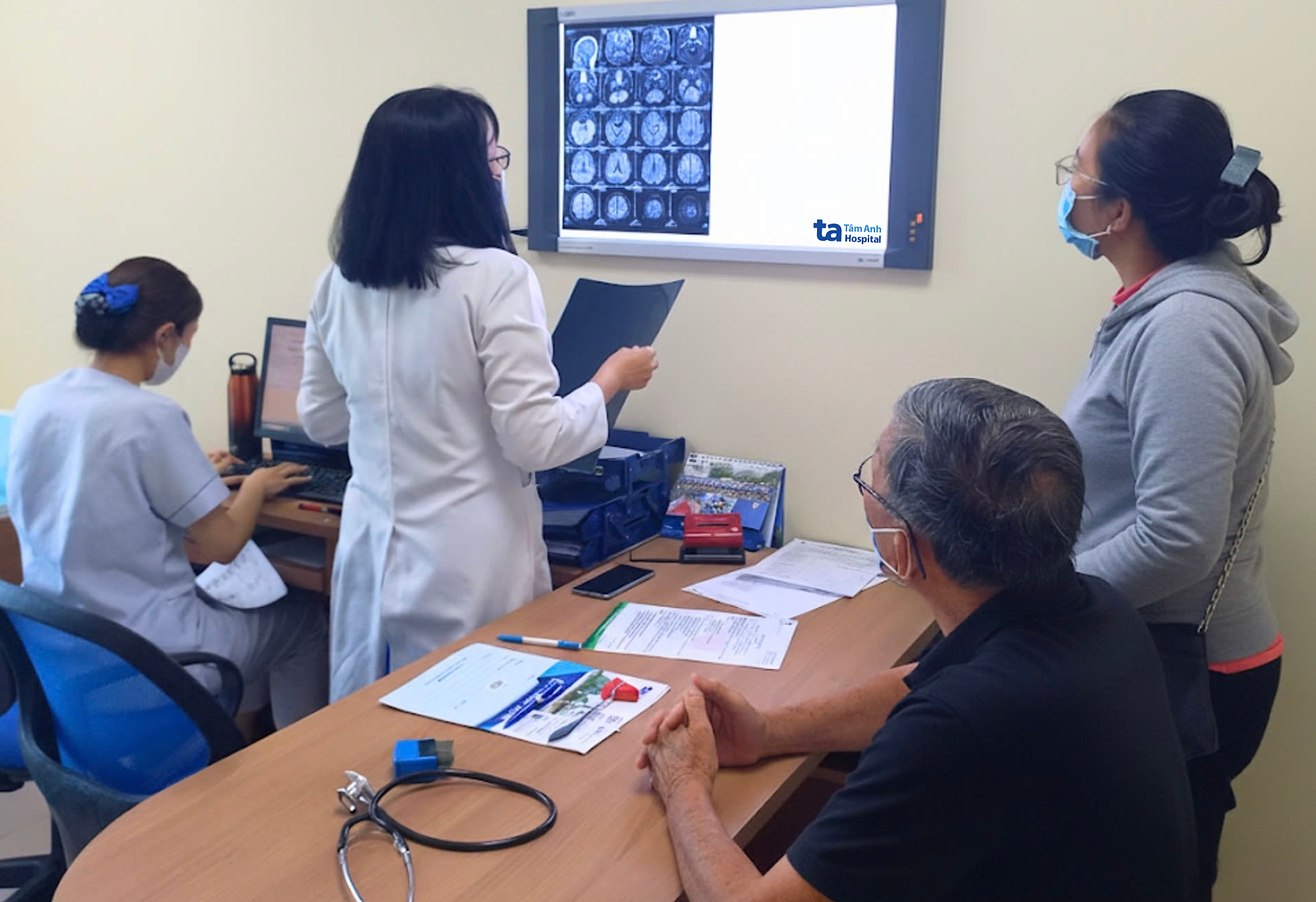 |
A doctor reviews a brain MRI scan to assess a patient's stroke risk. *Tam Anh General Hospital*. |
Individuals with cardiovascular risk factors such as hypertension, diabetes, dyslipidemia, atrial fibrillation, smoking, overweight, and obesity are more likely to experience hand numbness before a stroke. Doctor Tam explains that in this group, the cerebrovascular system has sustained silent damage over a prolonged period, increasing the likelihood of blood clot or atherosclerotic plaque formation, which can cause vascular obstruction.
However, hand numbness is not always caused by a stroke. In many individuals, numbness results from peripheral nerve compression, such as sleeping on one's arm, maintaining a posture for too long, carpal tunnel syndrome, or cervical spondylosis. In these cases, symptoms typically appear gradually, can affect both hands, worsen with sustained postures, and improve with changes in position or massage.
Stroke-related hand numbness usually occurs suddenly, is localized to one side of the body, and is not linked to posture. Patients may experience hand weakness, difficulty gripping objects, or poor coordination, accompanied by facial drooping, speech difficulties, dizziness, or loss of balance.
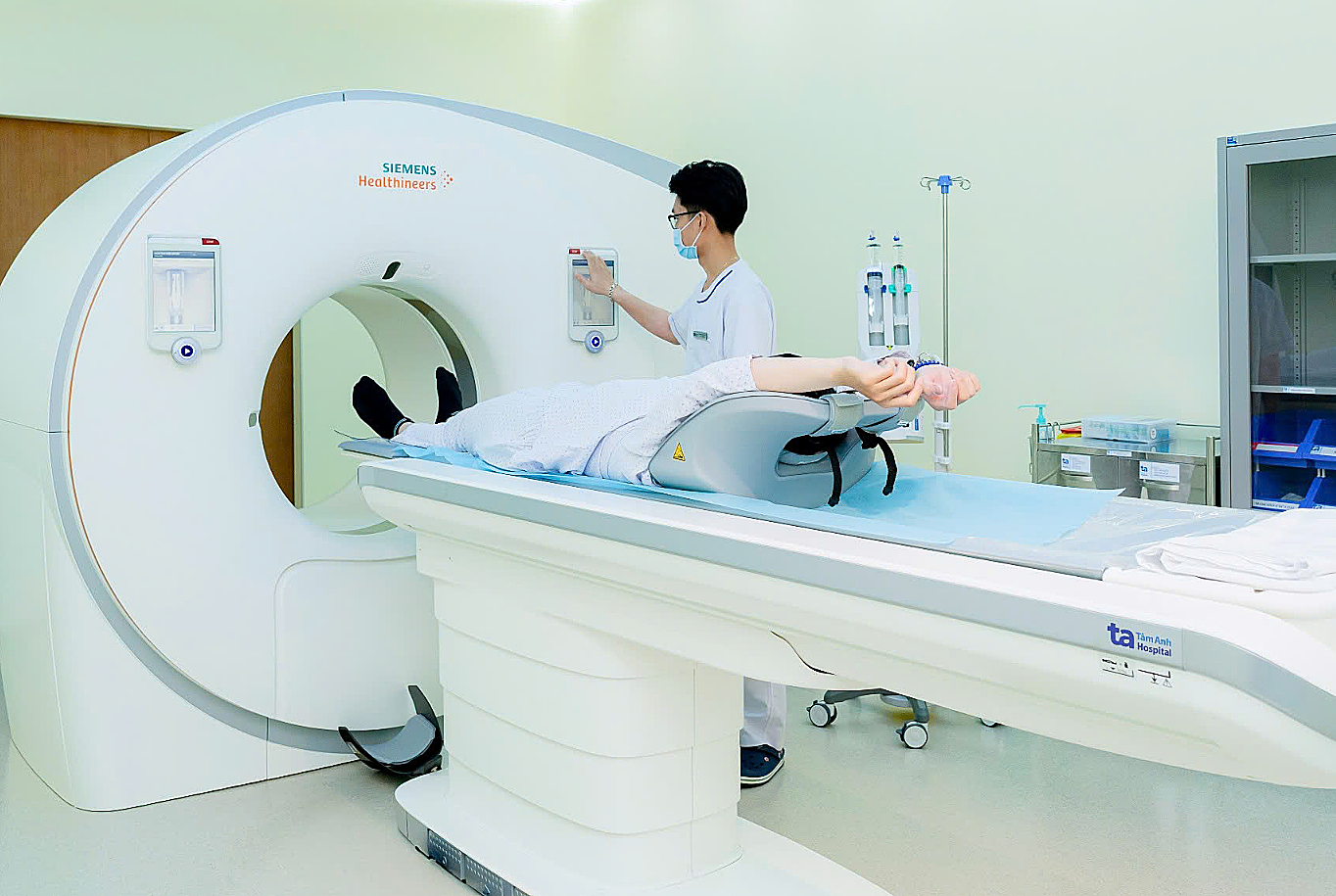 |
A 100,000-slice CT scan with integrated AI aids in the rapid detection and diagnosis of brain lesions. *Tam Anh District 7 General Clinic*. |
Doctor Tam recommends that anyone experiencing sudden, even transient, hand numbness accompanied by abnormal neurological signs should visit a hospital with a neurology department for examination. Patients may undergo risk assessment using clinical scales, carotid ultrasound, brain MRI, or CT angiography to determine the cause.
Depending on the condition, doctors may prescribe preventive treatment with antiplatelet drugs, blood pressure, blood sugar, and blood lipid control, along with lifestyle adjustments. Early identification of abnormal signs, accurate diagnosis, and timely management help prevent stroke, protect brain function, and reduce the risk of long-term complications.
Trong Nghia
| Readers can submit questions about neurological diseases here for doctors to answer. |