Dr. Nguyen Thi Diem Huong from University Medical Center Ho Chi Minh City - Campus 3, warns that making medicinal wines at home poses numerous health hazards. Many people use unsafe base alcohol, which may contain excessive methanol and impurities. Additionally, the herbs or animal ingredients steeped are often of unknown origin, risking mold and contamination. Incorrectly combining ingredients can also negate or reverse the intended therapeutic effects.
In traditional medicine, medicinal wine is a liquid preparation made by using high-proof white liquor to extract active compounds from natural medicinal ingredients, such as herbs, animals, and insects. These preparations follow traditional remedies and are consumed orally or applied topically to invigorate the body, promote blood circulation, clear meridians, and treat specific conditions like joint pain, digestive disorders, or fatigue.
Traditional medicine formulates remedies based on the "Monarch - Minister - Assistant - Envoy" principles and specific interaction rules, including mutual reinforcement, enhancement, counteraction, inhibition, antagonism, and incompatibility. These principles are vital for maximizing therapeutic efficacy, minimizing toxicity, and reducing side effects, all based on the properties, meridian tropism, and pharmacological effects of the ingredients. Self-mixing ingredients based on informal "tips" often leads to dangerous incompatibilities between medicinal substances.
"Due to a lack of knowledge about preparing medicinal wines, many mistakenly believe that combining more types of ingredients will enhance their effects," the doctor stated. She warned that this is a dangerous misconception, risking the production of toxins harmful to health. Furthermore, even ingredients proven beneficial can lead to unpredictable consequences if prepared incorrectly.
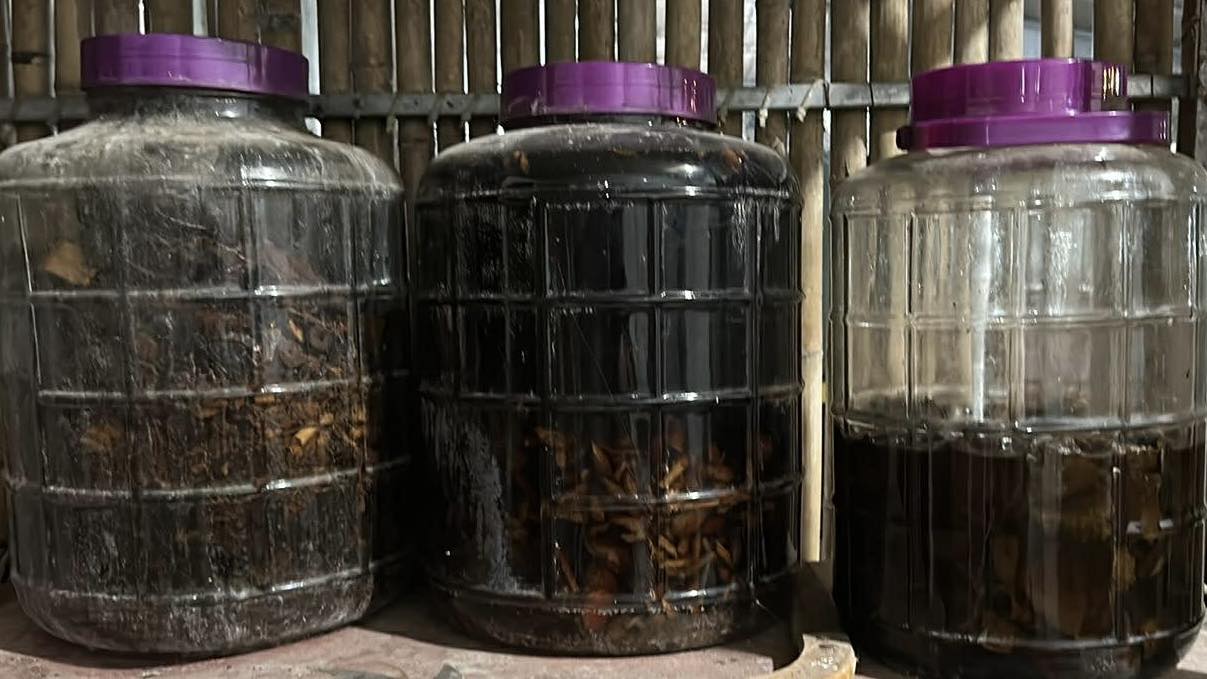 |
People should not make their own medicinal wines to avoid the risk of poisoning and multi-organ damage. *Photo: Thu Hien*
The use of wild animals such as snakes, geckos, and bats in these preparations is particularly hazardous, as they often carry bacteria like salmonella and clostridium. If not processed properly, live parasites and unneutralized toxins can cause septic diarrhea, meningitis, and multi-organ damage. For instance, when preparing geckos, one must remove the eyes, toxin-containing organs, and internal organs, then clean them thoroughly and lightly grill them before steeping.
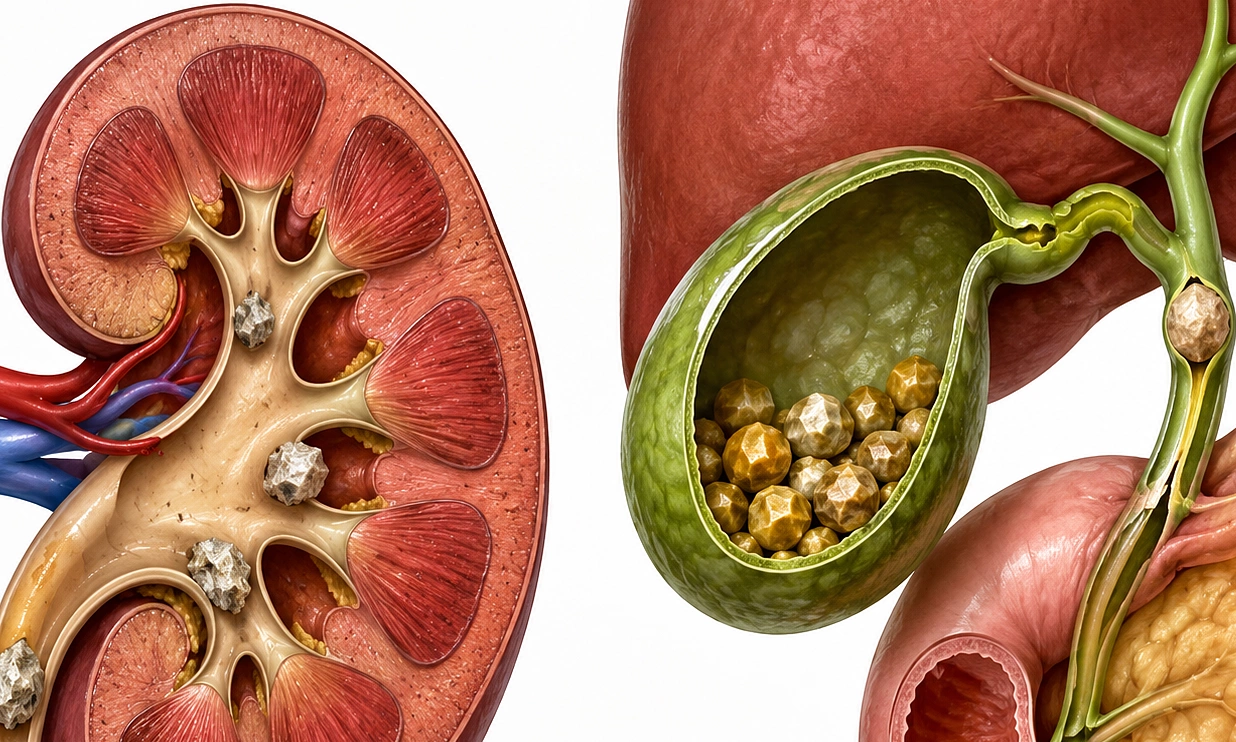
While medicinal ingredients offer benefits, alcohol itself is a toxin. Improperly prepared or substandard ingredients can lead to acute or chronic poisoning, heavy metal toxicity, harmful chemical exposure, vomiting, diarrhea, or deep organ damage. In such cases, the liver and kidneys become overloaded processing toxins from fake or poor-quality ingredients, resulting in liver and kidney failure.
Other potential side effects include adrenal insufficiency and drug dependence, often due to corticosteroid abuse from unknown ingredients. Unregulated preparations can cause gastrointestinal ulcers and cardiovascular damage. Moreover, fake or substandard medicinal ingredients may contain harmful impurities, heavy metals, or be mixed with old Western medications, posing a significant risk of death.
Even properly prepared and high-quality medicinal wine can harm the body if consumed excessively. Medicinal wine is like a double-edged sword; overconsumption can lead to poisoning. Alcohol affects the control of nerves governing respiration and circulation, potentially slowing or stopping these vital functions. It can also lower body temperature, leading to cardiac arrest, and blood sugar levels can drop low enough to cause seizures.
Individuals with underlying liver, cardiovascular, or blood pressure conditions, as well as pregnant women, should absolutely not consume medicinal wines.
The doctor advises that medicinal wine is only beneficial as a supportive treatment when used in extremely limited doses—typically one to two small glasses daily—and strictly under the advice of a medical expert.
By Thuy An