Test results at Tam Anh General Hospital, Ho Chi Minh City (TP HCM), showed Ong Nam's liver enzymes at 114,7 U/L, three times higher than normal levels. Ultrasound and liver elastography revealed a coarse liver structure, irregular margins, grade 2 fatty liver, and F4 cirrhosis.
Doctor Huynh Van Trung, Deputy Head of the Department of Gastroenterology, Endoscopy and Gastrointestinal Endoscopic Surgery Center, diagnosed Ong Nam with cirrhosis. At this stage, most healthy liver cells had been replaced by fibrous tissue, significantly impairing liver function, but the liver was still in a compensated stage, meaning a small portion of cells remained active.
"Closely monitoring and controlling the cause of the disease now can slow or prevent its progression to the decompensated stage", Doctor Trung said. "At that point, the liver lacks the capacity to perform basic functions, which can easily lead to dangerous complications such as ascites, gastrointestinal bleeding, and cancer."
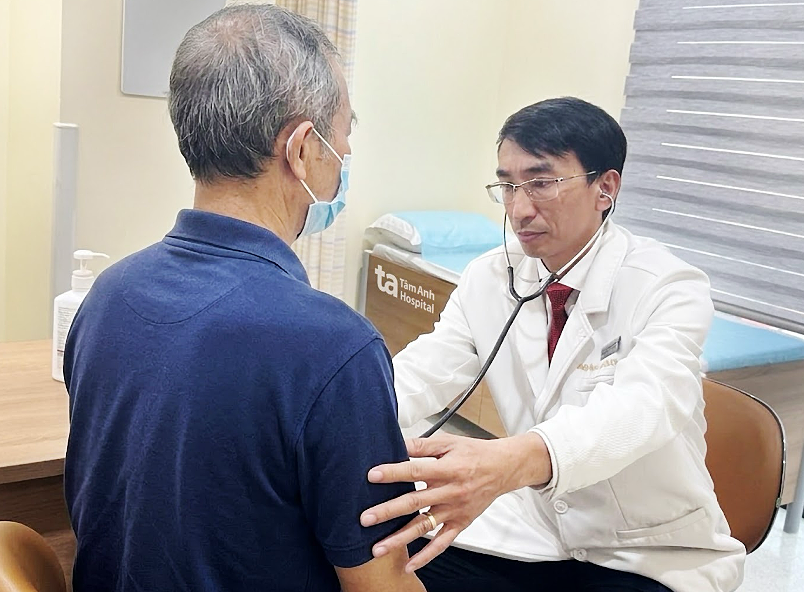 |
Doctor Trung examines Ong Nam. *Photo: Tam Anh General Hospital* |
Doctors advised Ong Nam to completely stop alcohol consumption – a key factor in slowing the progression of cirrhosis and reducing the risk of complications. Abruptly stopping alcohol can lead to alcohol withdrawal syndrome (delirium tremens), with symptoms such as restlessness, discomfort, agitation, hand tremors, insomnia, or confusion. Family support is crucial during this period.
Additionally, Ong Nam requires continuous treatment and strict control of underlying conditions such as hypertension, diabetes, and dyslipidemia to lessen the metabolic burden on his liver. He should maintain physical activity appropriate to his tolerance, exercise regularly to lose weight, reduce abdominal circumference, and improve fatty liver disease. Patients should increase their intake of green vegetables, fresh fruits, legumes, and fish, drink sufficient water daily, and minimize foods high in fat, sugar, and salt.
The liver performs many important functions such as detoxification, blood sugar regulation, protein metabolism, and bile production. It also stores glycogen, vitamins, and minerals. When alcohol is consumed, over 90% of the alcohol entering the body is metabolized by the liver, producing acetaldehyde – an intermediate toxic substance capable of directly damaging liver cells. Frequent alcohol consumption overloads the liver, eventually leading to hepatitis, fatty liver, and potentially progressing to cirrhosis or liver cancer.
In individuals with prolonged heavy alcohol consumption, liver damage typically progresses through three main stages: fatty liver, hepatitis, and cirrhosis. Once cirrhosis is reached, the liver's structure is destroyed and replaced by fibrous tissue, significantly reducing its self-healing capacity.
Nguyen Tram
*Patient's name has been changed
| Readers can ask questions about liver disease here for doctors to answer. |