Many people consider cold showers an energizing way to start the day. However, behind the immediate feeling of refreshment are powerful physiological reactions that can directly stress the cardiovascular system, especially posing a risk of sudden hypertension.
Thermal shock and the vascular "vice grip"
When cold water touches the skin, the body immediately activates a survival mechanism: peripheral vasoconstriction. This response aims to reduce heat loss, but it simultaneously increases resistance within the blood vessels.
As a result, the cardiovascular system must work harder to pump blood, causing blood pressure to surge in mere seconds. Concurrently, the sympathetic nervous system is stimulated, releasing stress hormones that make the heart beat faster and stronger. This combination creates a major "shock," putting extreme pressure on the heart.
Evidence from scientific studies
According to a report in the International Journal of Environmental Research and Public Health, exposure to a cold environment significantly increases blood pressure readings and biomarkers of vascular stress.
While showering is less severe than full immersion in cold water, experts still warn that this mechanism can cause dangerous cardiovascular events, especially in individuals with sensitive constitutions or underlying medical conditions.
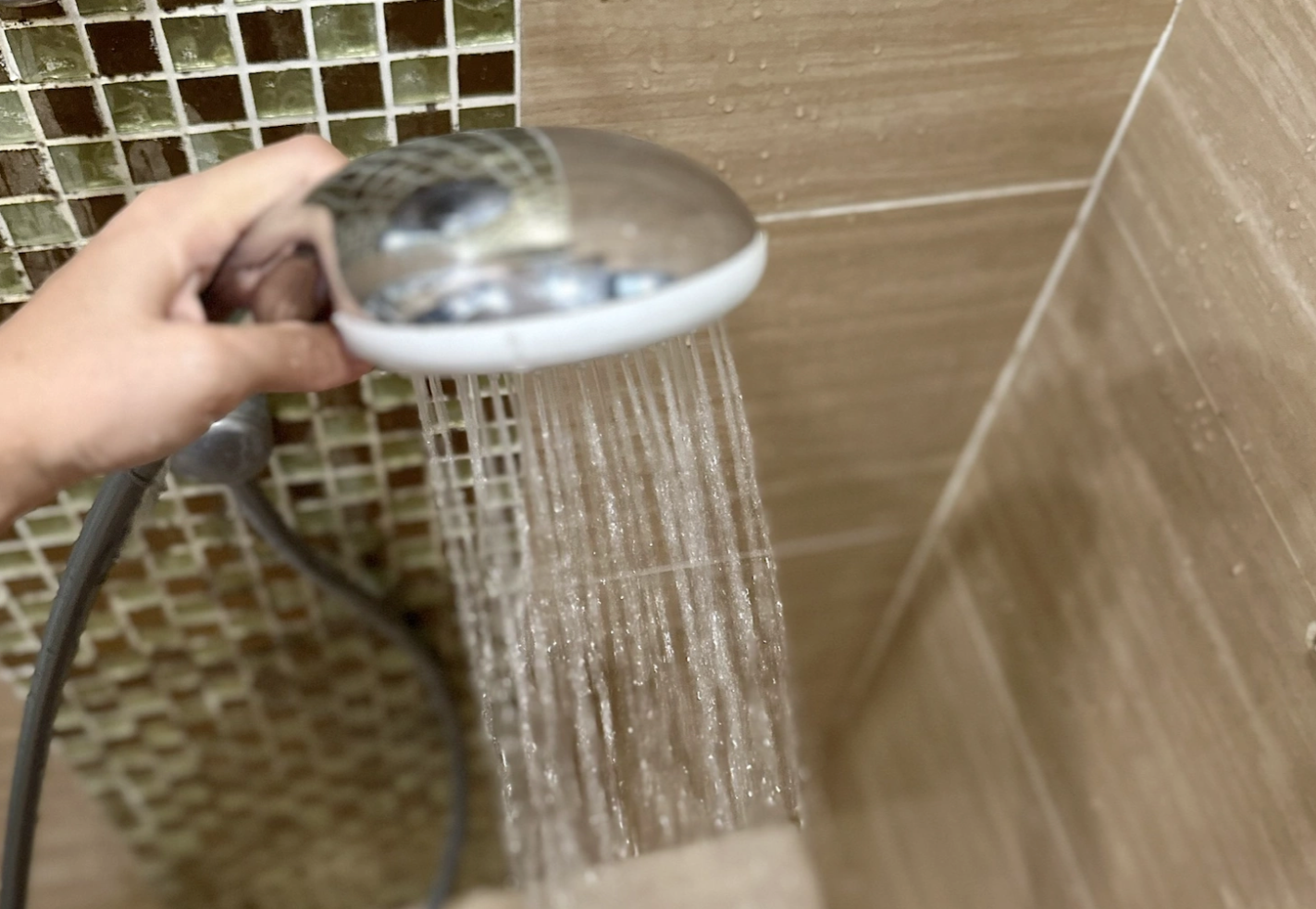 |
Cold showers carry a risk of sudden hypertension. Photo: Ngoc Pham. |
Who needs to be especially cautious?
The thermal shock from cold water does not pose an equal risk to everyone. The following groups are advised to avoid this habit:
Individuals with cardiovascular disease
People with high blood pressure, coronary artery disease, arrhythmia, or a history of stroke.
Individuals with inflexible blood vessels
Sudden constriction can cause shortness of breath, dizziness, or even stroke-like events.
Those who are unaccustomed
Individuals who have never habitually exposed themselves to cold water are very susceptible to temporary arrhythmias when their body overreacts to low temperatures.
Note: Sudden exposure to cold water increases biochemical stress markers in the blood. This stress sometimes does not immediately disappear but persists after you have left the bathroom.
Can the body adapt?
The good news is that our bodies can "get used" to the cold. According to The Times of India, swimmers or people living in cold climates often have more resilient vascular systems. In such cases, the vasoconstriction response is less severe, helping blood pressure stabilize more quickly.
However, the line between "training for health" and "harming the body" lies in the approach. Jumping directly into icy water is entirely different from controlled training.
How to take a cold shower safely without harming blood vessels
To enjoy the refreshing feeling while protecting your heart, you should follow these principles:
Gradually reduce temperature
Do not immediately douse yourself with cold water. Start with warm water, then gradually decrease the temperature to allow your circulatory and nervous systems time to adapt.
Listen to your body
If you experience dizziness, heart palpitations, or shortness of breath, stop immediately.
Consult a doctor
This is especially important for individuals with underlying cardiovascular conditions.
Avoid contributing factors
Do not take cold showers when overly fatigued, dehydrated, or after consuming too much caffeine, as these will increase stress on the heart.
Prioritize cool water over icy cold water
Moderately cool water can still help you feel awake while being much safer for your health.
My Y (According to SadaNews)