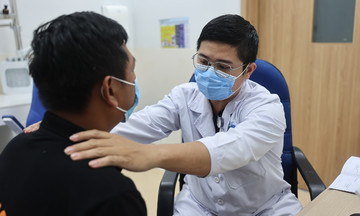
A representative from Cam Pha Regional General Hospital reported on 19/11 that a patient was admitted in a deep coma, unresponsive to stimuli. The patient presented with dilated pupils, flaccid paralysis of all four limbs, diminished deep tendon reflexes, and severely low blood pressure, indicating a grave prognosis.
Recognizing the severity of the pufferfish poisoning, doctors immediately intubated the patient, provided respiratory support, and performed intensive resuscitation. He was transferred to the Intensive Care, Anti-Poisoning, and Hemodialysis Department for continued emergency care. Diagnosed with tetrodotoxin poisoning from eating pufferfish, the patient received comprehensive treatment including circulatory and respiratory resuscitation, mechanical ventilation, gastric lavage, activated charcoal, sorbitol, fluid and electrolyte balancing, intravenous nutrition, and prevention of thrombosis and infection. The patient recovered after three days, regaining consciousness, being weaned off the ventilator, and resuming normal movement.
Pufferfish poisoning is one of the most dangerous forms of food poisoning, carrying a high mortality rate. The fish contains tetrodotoxin, a neurotoxin 275 times stronger than cyanide. As little as 0,5 mg of this toxin can be fatal to an adult. While highly concentrated in the internal organs and skin, the toxin is also present in the flesh. Crucially, tetrodotoxin remains stable and is not destroyed by cooking.
Once ingested, tetrodotoxin directly impacts the nervous and cardiovascular systems. Initial symptoms include numbness around the lips, tongue, and face, progressing to muscle paralysis throughout the body. Other manifestations involve cardiac arrhythmia, hypotension, seizures, and coma. Fatalities often occur rapidly due to respiratory muscle paralysis and subsequent respiratory arrest.
Currently, no specific antidote for tetrodotoxin exists. The only effective treatment involves immediate and supportive emergency care for respiratory and circulatory functions.
Doctors warn that tetrodotoxin is not exclusive to pufferfish; other Vietnamese marine creatures also harbor the toxin. These include: the blue-ringed octopus, certain sea snail species, and horseshoe crabs. These toxic organisms can be processed into common market products like fish cakes or sesame-seasoned dried fish, complicating their identification. To safeguard public health, authorities advise against catching, buying, selling, processing, or consuming pufferfish, blue-ringed octopus, and horseshoe crabs.
Thuy Quynh