Using phones before bed
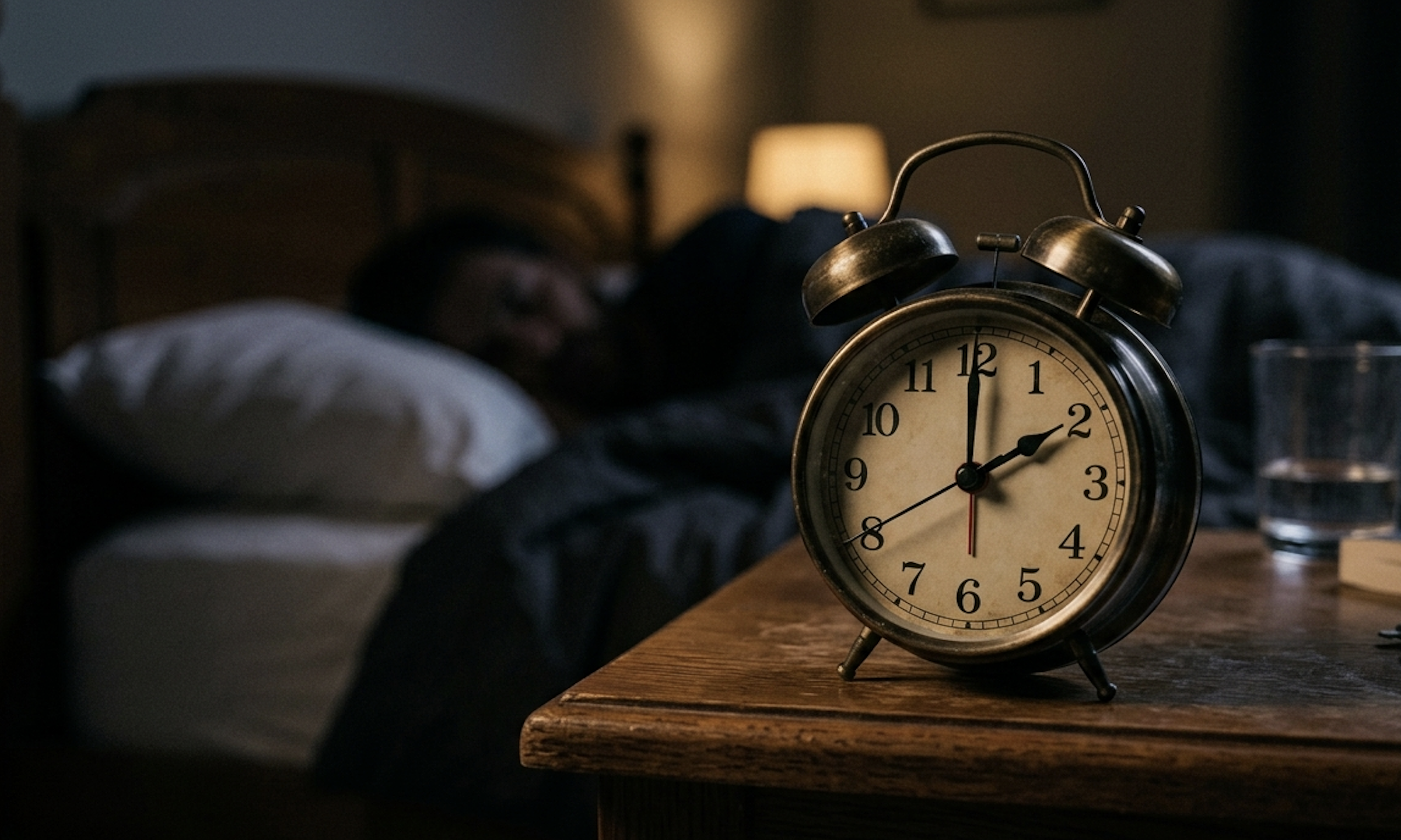
Many individuals check messages, browse social media, read news, or watch videos in bed until they feel drowsy. According to Times of India, screen light, especially at night, can interfere with melatonin secretion, a hormone that signals the body it is time to rest. Furthermore, the content consumed on phones keeps the brain active instead of allowing it to gradually transition into a relaxed state.
Maintaining this habit nightly can make it difficult for the body to fall asleep on time. Individuals should limit phone use for about 30-60 minutes before bed, opting instead for calming activities like reading a physical book, listening to relaxing music, or engaging in conversation.
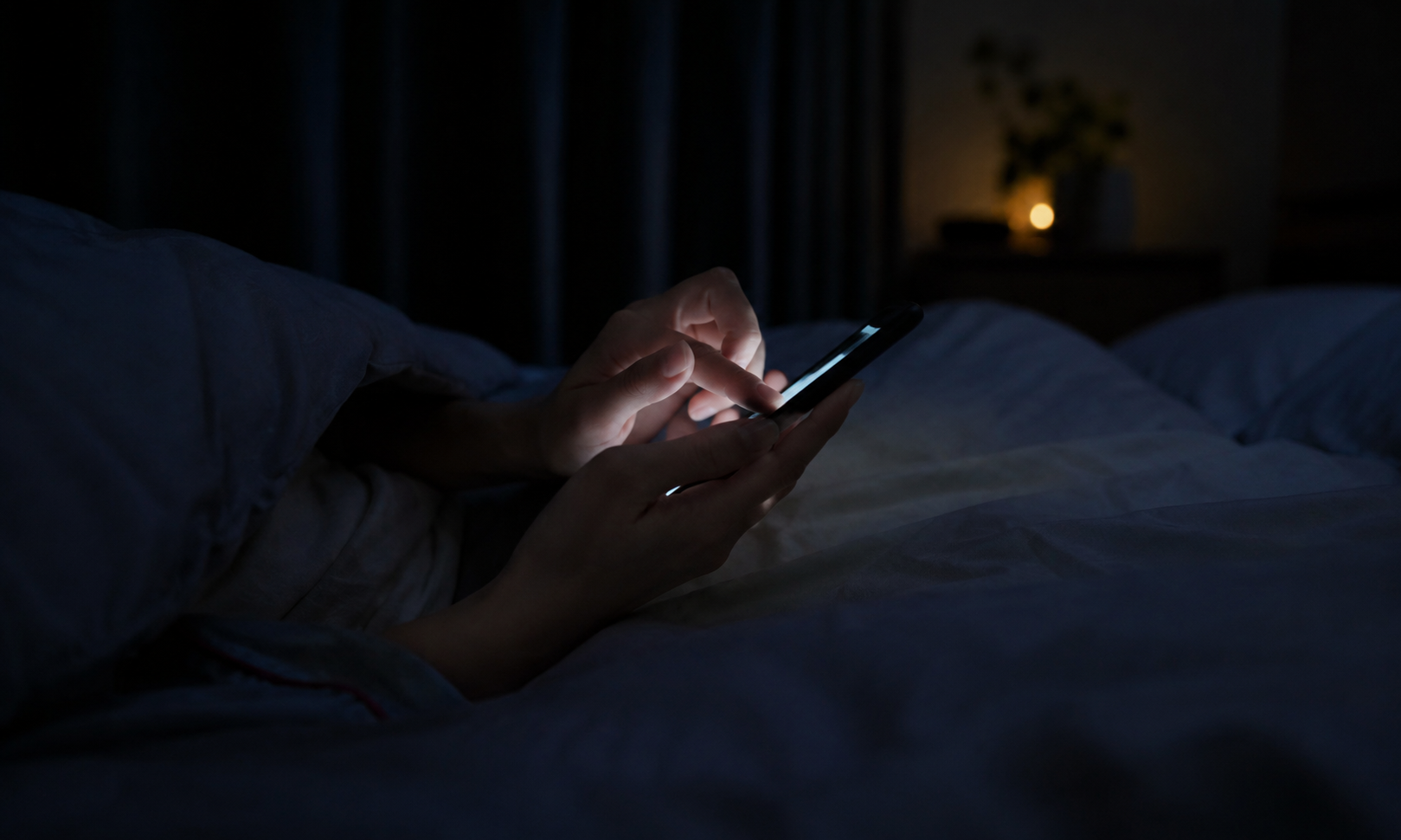 |
Using phones in the evening can easily cause insomnia. Illustration: *AI*
Inconsistent sleep schedules
Consistently altering sleep schedules, such as sleeping late on weekends and then attempting to wake early at the start of the week, disrupts the body's biological clock. The body functions optimally with a consistent sleep-wake cycle. Therefore, even on days off, it is advisable to maintain sleep and wake times close to your regular schedule.
Limited sun exposure
Natural light helps the body distinguish between day and night, regulating the circadian rhythm and establishing a clear difference between active and resting periods. Individuals who spend most of their time indoors, working in enclosed spaces with minimal natural light exposure, may experience a misaligned biological rhythm.
Instead of staying indoors all day, individuals can spend time outside in the morning, walking or engaging in other activities under natural light.
Eating spicy, fatty foods in the evening
Consuming spicy and fatty foods in the evening can negatively impact sleep, especially for those with sensitive digestive systems. Spicy foods can cause a burning sensation and discomfort, worsening reflux symptoms in some individuals. Meanwhile, high-fat meals are typically digested slowly, requiring the stomach to work for extended periods.
Eating too close to bedtime can lead to indigestion, bloating, or discomfort during sleep if food is not fully digested. Acid reflux is also more likely to occur when lying down immediately after a meal, causing heartburn, coughing, or a sensation of a lump in the throat, according to Eating Well.
Exercising too close to bedtime
While regular exercise benefits health and sleep quality, high-intensity workouts immediately before bed can leave the body in an aroused state. This increases heart rate and body temperature, making it difficult to relax and fall asleep.
Consider moving your workout to the morning or afternoon, or ensure you finish exercising a few hours before bedtime. If insomnia is persistent, recurs frequently, or significantly impacts your daily activities, seeking medical advice is recommended.
By Le Nguyen (Compiled)