For the first six months of life, infants should be exclusively breastfed, as breast milk provides optimal nutrition, energy, antibodies, and essential nutrients. As children grow, milk remains a vital part of their diet. However, parents must avoid common mistakes when giving milk to children to support their overall growth and development.
Giving children too much milk
According to the Times of India, many parents believe that consuming large amounts of milk will promote better height and weight in children. However, a child's milk requirements depend on their age, diet, and health status. When children drink too much milk, they often feel full for longer, leading them to eat less during main meals.
Milk alone cannot provide all the nutrients a body needs. If children eat less meat, fish, eggs, green vegetables, fruits, and grains because they are full from milk, their risk of iron deficiency, fiber deficiency, and other micronutrient deficiencies increases.
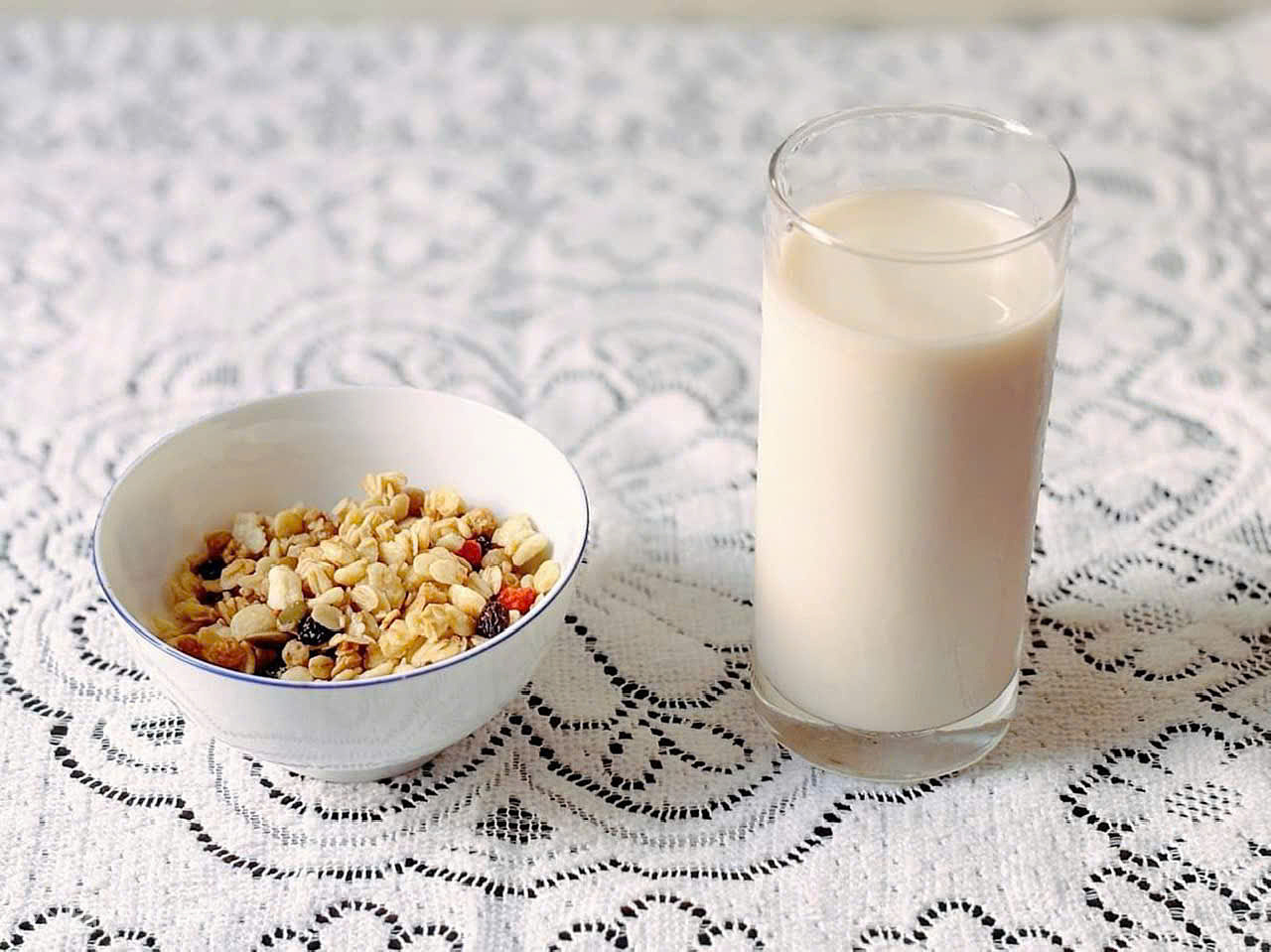 |
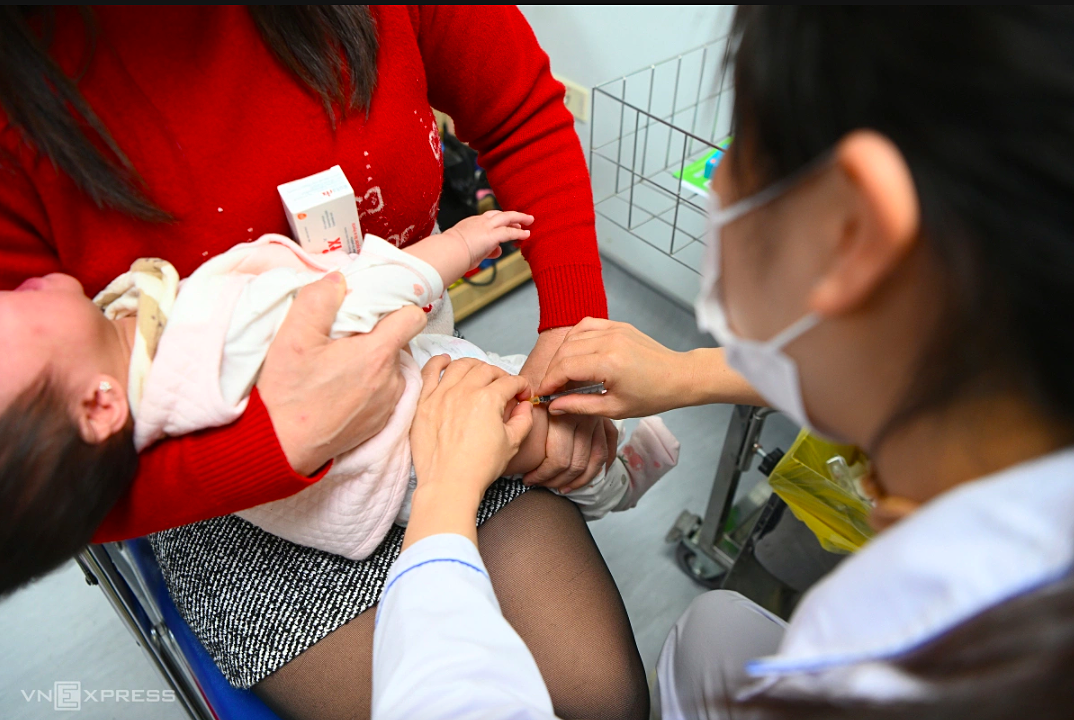
Milk offers maximum nutritional value when used correctly. Illustration: Bao Bao |
Using milk as a meal replacement
When children are picky eaters or parents are busy, many families give their children milk instead of main meals, assuming it provides sufficient nutrition. While milk is rich in protein, calcium, and energy, it cannot fully supply fiber, vitamins, and minerals. Children still require balanced meals including carbohydrates, protein, healthy fats, vegetables, and fruits.
Adding sugar, honey, or cereal powder to milk
Many families add sugar or mix powders into milk, believing it boosts nutrition. This practice can lead children to consume too much sugar, increasing their risk of being overweight, developing dental cavities, and forming sweet eating habits. Infants under one year old should never be given honey due to the risk of botulinum poisoning.
Reheating milk multiple times
Once prepared or warmed, milk should be consumed within the recommended timeframe. Reheating milk repeatedly diminishes its quality and creates an environment for bacteria to grow if not stored properly.
Drinking milk too close to main meals
Milk contains protein, fat, and carbohydrates, which promote a feeling of fullness. If consumed immediately before a meal, children will have a reduced appetite, leading them to eat less during their main meal. In the long term, this can prevent children from consuming enough food groups like meat, fish, eggs, green vegetables, and grains, increasing their risk of nutrient deficiencies, according to WebMD.
Children should consume age-appropriate amounts of milk, ideally between two meals or 1-2 hours after a main meal, to avoid affecting their appetite and nutrient absorption.
Le Nguyen (Compiled)
| Readers can submit questions about childhood illnesses here to receive answers from a doctor |