On 16/12, a representative from Hospital 19-8, Ministry of Public Security, reported that after one week of intensive treatment, the patient's health improved markedly, and organ functions recovered. Previously, the patient was admitted in critical condition, with cold, cyanotic skin, blue lips and extremities, and severe respiratory failure.
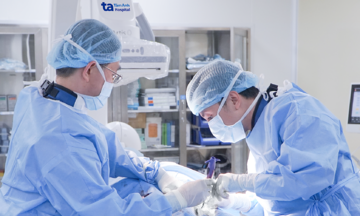
The patient had a history of allergy to MSG and some other substances, but symptoms typically resolved spontaneously within a few hours. This time, however, the symptoms progressed rapidly and severely. After eating duck noodle soup at a restaurant, she experienced dizziness and vomiting, then quickly fell into a coma with a profound drop in blood pressure. The on-duty team had to intubate her, place her on a ventilator, and administer high-dose vasopressors to raise her blood pressure. As the patient responded poorly to conventional treatment, doctors ordered ECMO (extracorporeal membrane oxygenation) intervention combined with continuous hemodialysis to sustain her life.
Doctor Bui Nam Phong, Head of the Intensive Care and Anti-Poisoning Department, stated that the anaphylactic shock was likely caused by the amount of MSG in the noodle soup, which triggered a severe reaction in the patient's allergic constitution.
According to medical literature, a true allergy to MSG is rare; critical reactions often stem from hypersensitivity to glutamate, a potent excitatory neurotransmitter. In individuals with a sensitive constitution or enzyme deficiency, consuming large amounts of this seasoning leads to an uncontrolled surge in blood glutamate levels. This condition overactivates the nervous system, causing sudden vasodilation and a severe drop in blood pressure, leading to shock. Simultaneously, a massive release of chemical mediators causes bronchospasm, resulting in rapid respiratory failure and cyanosis in the patient.
The severity of the case depends on the dosage consumed and the absorption rate, with symptoms progressing faster when the patient eats on an empty stomach. When circulatory and respiratory reactions occur simultaneously, the patient enters a state of anaphylactic or pseudo-anaphylactic shock, requiring advanced resuscitation interventions like ECMO to maintain life.
Doctors advise people to exercise caution and maintain hygiene when eating at restaurants. Individuals with sensitive constitutions must absolutely avoid allergens that have previously caused reactions and limit high-risk foods such as silkworm pupae and seafood, or exposure to pollen and animal dander. If unusual symptoms such as rashes or difficulty breathing appear, patients should immediately go to the nearest medical facility for timely emergency care.
Thuy Quynh