Calcium is an essential mineral that helps maintain bone density and strong teeth. It also participates in many vital functions, including nerve transmission, muscle contraction, and heart function. When the body experiences a prolonged calcium deficiency, bones become porous, brittle, and prone to fractures, significantly increasing the risk of osteoporosis, especially in middle-aged women, post-menopausal women, and the elderly.
Plant-based calcium contributes to bone health, but its absorption is often lower compared to calcium from dairy or seafood. This is because many plant foods contain oxalate and phytate, compounds that can bind to calcium and reduce its intestinal absorption.
Some plant sources with better calcium absorption include low-oxalate green leafy vegetables such as kale, bok choy, and broccoli. Calcium-set tofu, sesame seeds, almonds, soybeans, various legumes, and plant-based milks are also good options. While rich in calcium, spinach and some other dark leafy greens have poor absorption due to their high oxalate content.
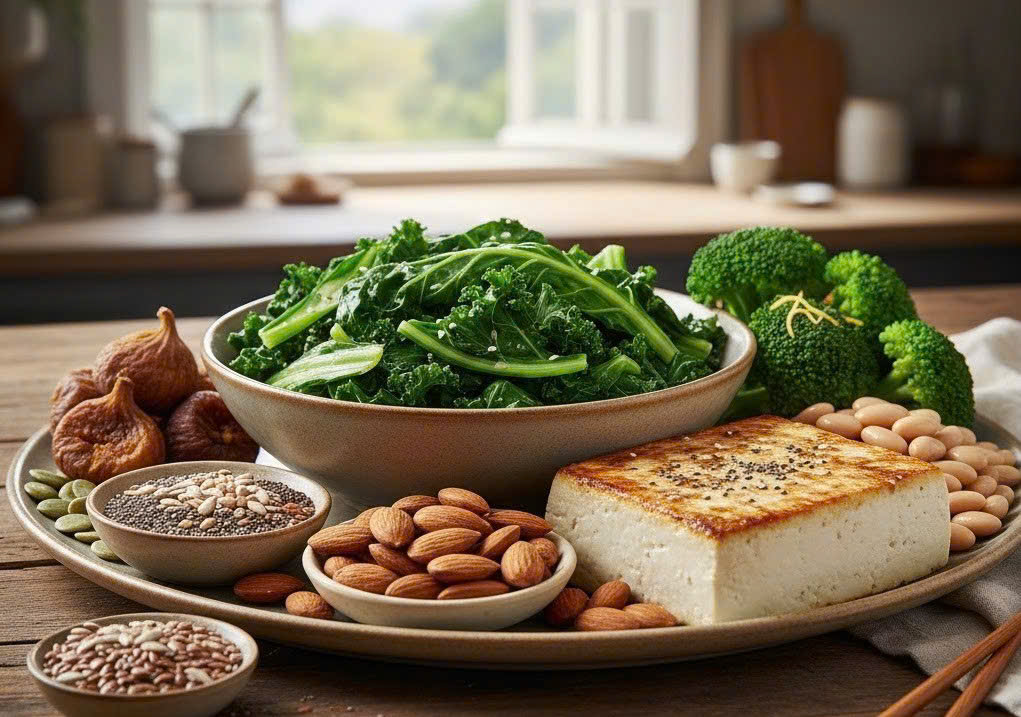 |
Plant-based calcium benefits bones if consumed correctly. Photo created by AI |
To maximize the utilization of plant-based calcium, ensure adequate intake of vitamin D, magnesium, and vitamin K through a diverse diet or appropriate sun exposure. Vitamin D aids calcium absorption in the gut, while magnesium and vitamin K help integrate calcium into bones. You should avoid drinking tea and coffee immediately after meals, as substances in these beverages can hinder calcium absorption. Dividing your daily calcium intake into smaller portions also helps the body utilize it more effectively than consuming it all in one meal.
For vegans or those with lactose intolerance, plant-based calcium can still meet daily needs if the diet is well-planned and diverse. However, individuals over 50, post-menopausal women, those at risk of osteoporosis, or with a history of fractures, or who have monotonous diets often do not get enough calcium solely from plant foods. In such cases, appropriate supplementation advice is necessary.
To prevent osteoporosis, in addition to a calcium-rich diet, you should maintain light weight-bearing exercise such as walking, yoga, or light weight training, manage your weight, and get enough sleep. Individuals experiencing bone pain, muscle fatigue, nighttime cramps, or height loss, or those in high-risk groups, should consult a nutritionist or musculoskeletal specialist for bone density assessment and proper calcium guidance. Natural extracts like eggshell membrane, chondroitin sulfate, turmeric extract, collagen type II, and collagen peptide can help reduce pain, lubricate, nourish cartilage, and increase joint flexibility.
Master. Doctor Nguyen Anh Duy Tung
Department of Nutritional Regimen
Tam Anh General Clinic, District 7
| Readers can submit nutrition questions here for expert answers |