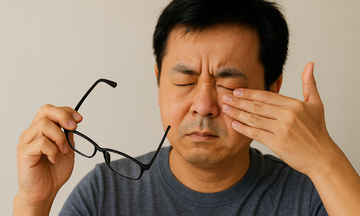
On 15/12, Doctor Nguyen Viet Chung of the Department of Mental Health at E Hospital, reported treating a male patient whose mother brought him in for persistent psychological changes. For a decade, the man had felt life was dull, experienced frequent, unprovoked sadness, and became increasingly withdrawn. Despite holding a job, marrying, and raising two children, he admitted to feeling no deep affection or enthusiasm for anything. He was easily discouraged, often fatigued, suffered from restless sleep, and rarely woke up feeling refreshed.
During his consultation, the patient attributed these symptoms to an introverted personality he believed he developed as an adult. His mother, however, stated that her son was lively and outgoing in his youth, only becoming withdrawn and quiet starting in 2015.
Psychological test results confirmed the patient was suffering from dysthymia, also known as persistent depressive disorder. This chronic form of depression, while not as intense as major depression, can linger for years, gradually depleting one's zest for life. Doctor Chung has since initiated a treatment plan involving both medication and psychotherapy for the patient.
According to mental health experts, dysthymia is often overlooked due to its subtle symptoms, which typically do not trigger acute psychological crises that compel individuals to seek medical attention. Patients frequently label themselves as "reserved" or "introverted", accepting their sadness as a normal aspect of life. Families, too, often grow accustomed to the patient's quiet demeanor, seldom suspecting an underlying medical condition.
Without timely intervention, dysthymia can severely diminish an individual's quality of life, erode work motivation, and impede the formation of intimate relationships. More concerning, during significant life stressors such as unemployment or divorce, individuals with dysthymia are more susceptible to developing anxiety disorders, major depression, or substance abuse.
Doctors emphasize that prolonged sadness, lasting for years, is never a normal state. Individuals who consistently experience feelings of sadness, emptiness, or a persistent lack of interest should promptly confide in loved ones or seek professional help from a specialist for an accurate diagnosis.
Thuy Quynh