This assessment was highlighted by Associate Professor Doctor Nguyen Vu Trung, Director of the Pasteur Institute in TP HCM, at the National Scientific Conference on Dengue Fever 2025 on the afternoon of 29/11. Vietnam is currently a hotspot for this disease in Southeast Asia. Statistics for the first 10 months of 2025 show the country recorded over 110,500 cases and 23 deaths. Compared to the same period last year, the number of cases increased by nearly 17%, and deaths rose by two.
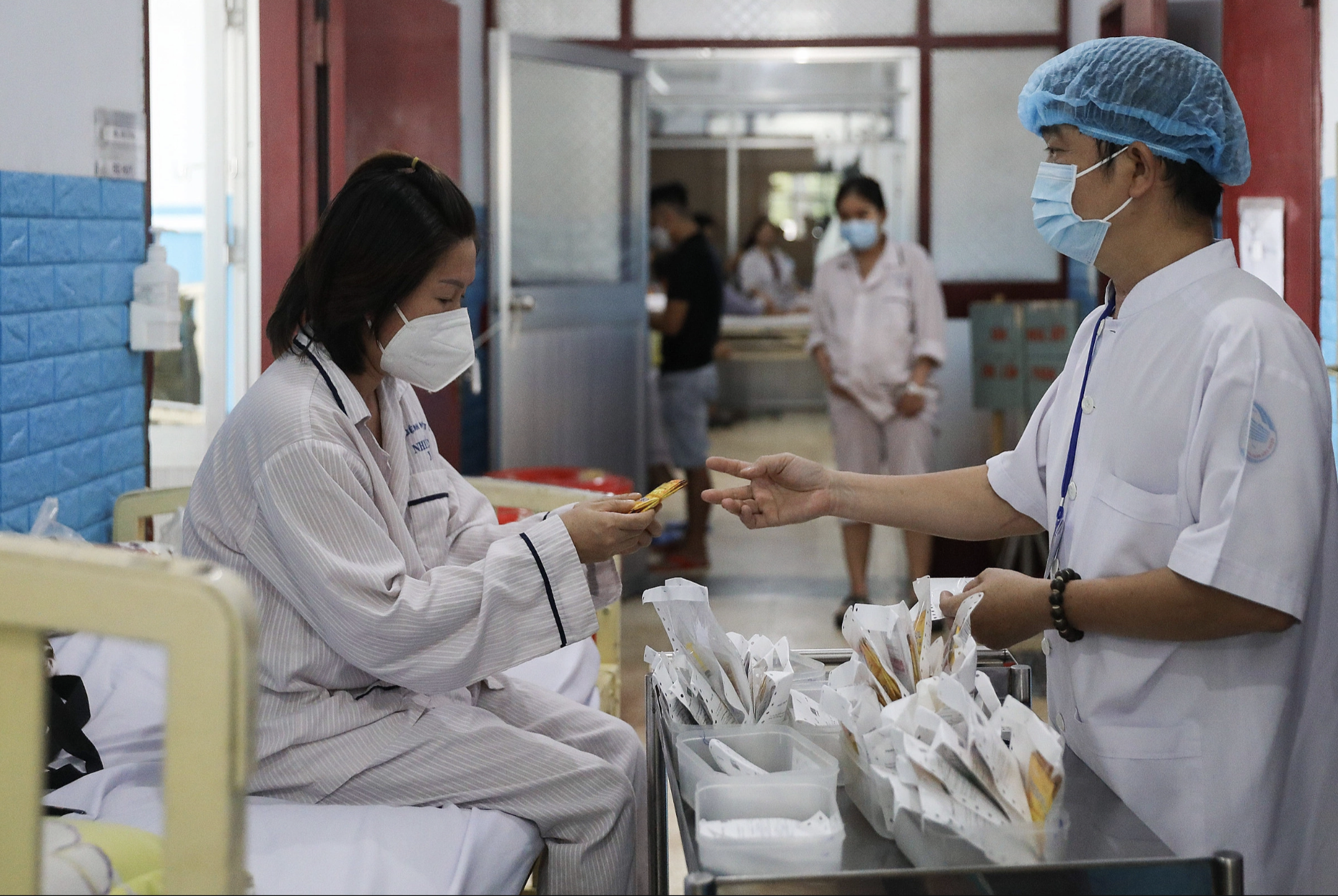 |
Dengue fever treatment at the Hospital for Tropical Diseases, TP HCM. Photo: Quynh Tran
A significant shift in disease patterns is concerning. Doctor Ngu Duy Nghia, Head of the Department of Infectious Disease Control at the National Institute of Hygiene and Epidemiology, cited data from the southern region: In 1999, patients over 15 years old accounted for only 18% of cases, but by 2022, this figure had surged to 53%. The disease is now prevalent across all regions, from the South to the North, Central, and Central Highlands, no longer following seasonal cycles but persisting year-round. This reality confirms that the dengue virus threatens all age groups, increasing the burden on the healthcare system.
The disease's progression is unpredictable, leading to dangerous complications such as hemorrhage, fluid leakage, coagulation disorders, multi-organ failure, and shock. Patients often face long-term sequelae after treatment, including debility, muscle and joint pain, and memory impairment. Benjamin Ping, General Director of Takeda Vietnam, stated that while community awareness has improved, most people still underestimate the disease's severity, especially its financial burden.
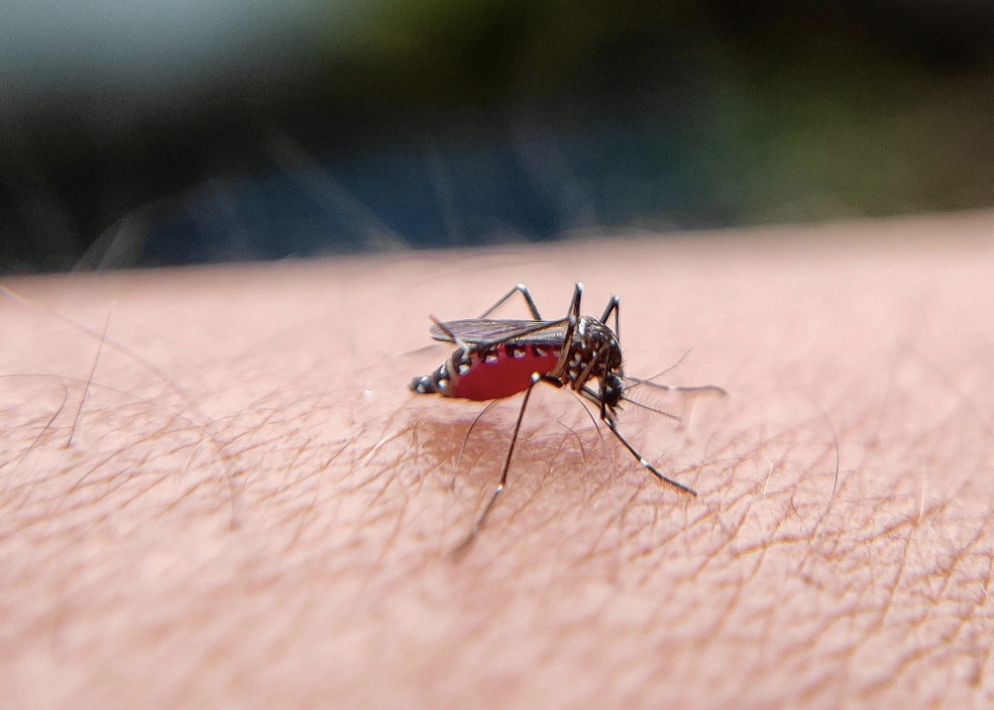 |
Aedes aegypti mosquito – the vector for dengue fever. Photo: Shyamli Kashyap/Pexels
Medical costs for severe cases are substantial. On average, a patient undergoing two weeks of intensive care treatment incurs costs of approximately 150-200 million VND. Should organ damage or superinfection occur, extended hospitalization further increases expenses. Beyond hospital fees, families also face economic losses due to patients and caregivers missing work, and students missing school.
Given the absence of a specific treatment, Professor Doctor Vu Sinh Nam, Senior Advisor at the National Institute of Hygiene and Epidemiology, recommended that Vietnam shift from a passive response to a proactive strategy. According to the World Health Organization (WHO), effective solutions must be comprehensive, combining vector control (eliminating mosquitoes and larvae), strict epidemiological surveillance, and proactive prevention with vaccines. Coordinating these measures will help reduce the risk of outbreaks and minimize severe cases.
The VDS 2025 conference gathered over 700 medical experts and scientists, both domestic and international, to seek sustainable solutions for controlling this disease. Delegates hope the event will foster practical approaches, enhancing detection, treatment, and prevention capabilities with a people-centered focus.
My Y