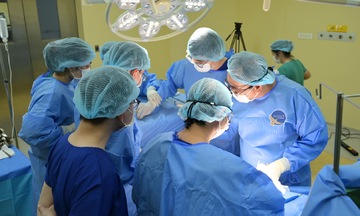
The woman had previously undergone open surgery for kidney stones on both sides but neglected follow-up appointments. She recently sought medical attention due to severe pain. On 29/12, Doctor Mai Van Luc, from the Department of Urology and Andrology at E Hospital Hanoi, reported that the patient's "kidneys were almost completely damaged." Ultrasound confirmed severe damage to both kidneys, showing deformed and distended renal pelvis and calyces, significantly impaired function, and numerous tiny stones densely adhering to the sites of previous surgeries.
Doctor Luc described this as a complex case of kidney stones, carrying a high risk of kidney loss if not managed meticulously.
The surgical, anesthesia, and nursing teams meticulously removed each stone and restored urine flow to preserve kidney function. Following the intervention, the patient's renal system was cleared of stones, drainage tubes were removed, and kidney function showed significant recovery. The patient is now alert and in stable health.
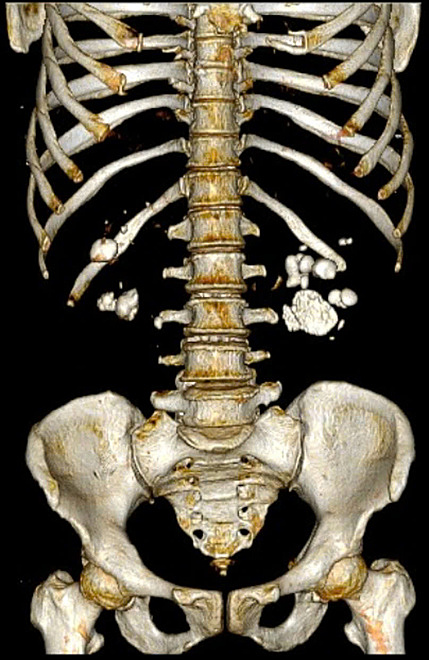 |
CT scan revealing numerous stones densely packed in the woman's kidneys. *Photo: Doctor provided* |
Kidney stones and other medical conditions can silently damage the body over many years if not regularly monitored. Early detection and timely treatment are crucial to reduce costs and prevent severe complications.
Maintaining healthy kidneys requires drinking 2-3 liters of water daily. The habit of holding urine can lead to prolonged urine retention in the bladder, fostering bacterial growth and increasing the risk of kidney infections and stone formation. Beyond lifestyle choices, other contributing factors to kidney stones include: urinary tract structural abnormalities, calcium metabolism disorders, altered urine pH, genetic predisposition, hot work environments, or water sources contaminated with limestone.
Thuy Quynh