Dr. Nguyen Ngoc Tran, a specialist in dermatology and skin aesthetics at Tam Anh General Hospital, Ho Chi Minh City, suspects Ms. Men developed dermatitis from sharing makeup tools and cosmetics. Sponges, brushes, or powder compacts, if used on multiple individuals without proper cleaning, can become breeding grounds for bacteria. When these come into direct contact with skin, especially sensitive areas or those with micro-injuries, bacteria can easily penetrate and cause inflammation.
Improperly stored personal cosmetics can also pose risks. During makeup application, the repeated actions of patting powder and blending foundation between hands, face, and tools create conditions for microorganisms to accumulate. This is particularly true in hot, humid, and dusty environments, where bacteria thrive.
Doctors prescribed Ms. Men topical medication, combined with infection control and skin barrier restorative care.
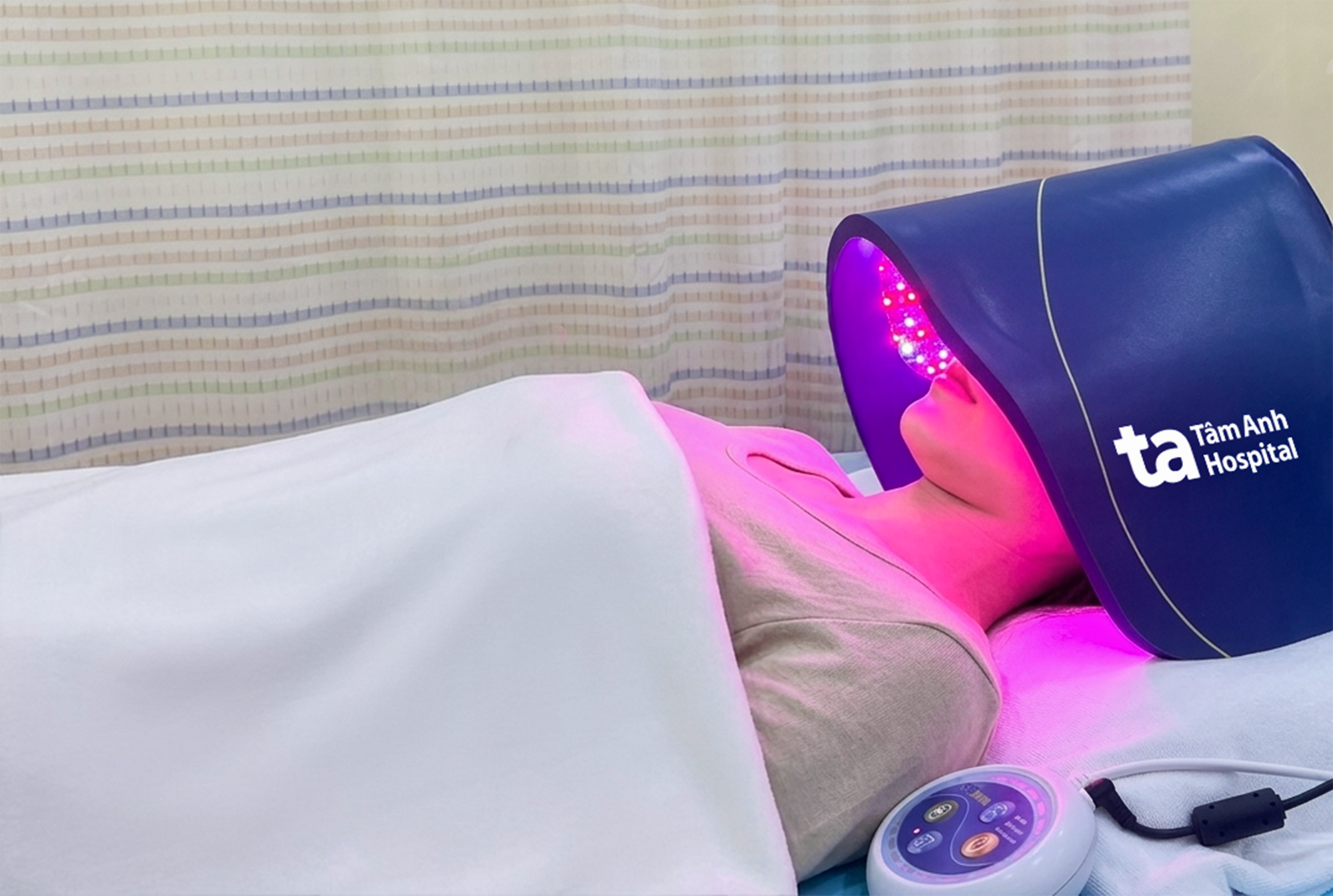 |
Ms. Men received Celluma LED light therapy to reduce inflammation and promote healing. Photo: Tam Anh General Hospital |
Ms. Men received Celluma LED light therapy to reduce inflammation and promote healing. Photo: Tam Anh General Hospital
After one week, the inflammation gradually subsided, and the pustules dried. Ms. Men then received additional supportive treatments, including LED light therapy (Celluma) and pico laser. The Celluma LED light, with its appropriate wavelength, helps reduce inflammation, soothe the skin, and accelerate recovery. Meanwhile, the pico laser improves post-inflammatory hyperpigmentation, helping to even out skin tone.
Following one month of combined treatment, Ms. Men's skin showed significant improvement, with no more pustules and better recovery of the damaged areas. Skin pigmentation also stabilized, reducing the risk of prolonged dark spots.
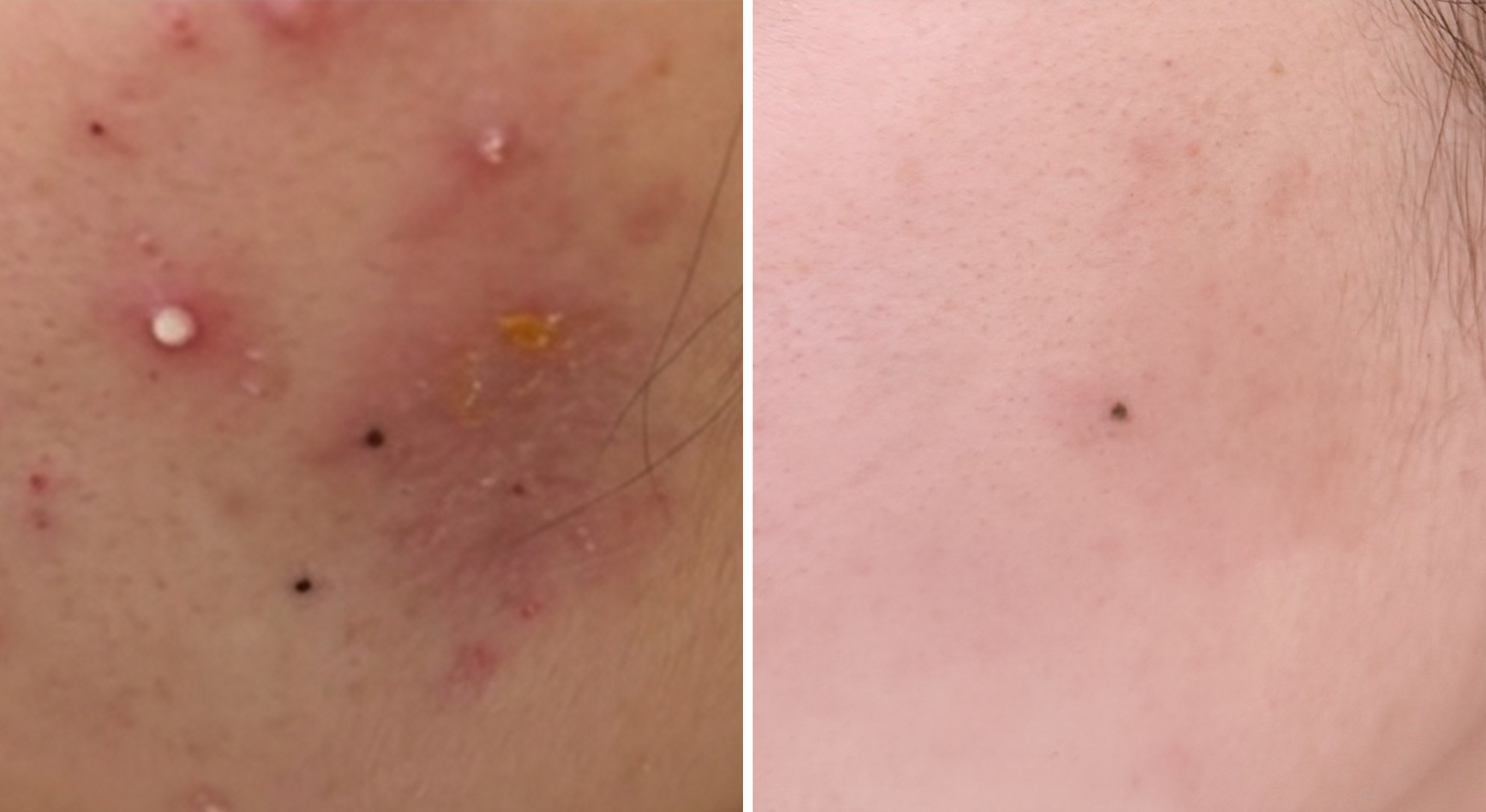 |
Ms. Men's inflammation and pustules resolved after one month of treatment. Photo: Tam Anh General Hospital |
Ms. Men's inflammation and pustules resolved after one month of treatment. Photo: Tam Anh General Hospital
Doctors warn that makeup-induced skin damage can extend beyond temporary irritation. If not handled properly or if individuals attempt self-treatment, the condition may progress to infectious dermatitis, leading to long-term consequences such as post-inflammatory hyperpigmentation, pitted scars, raised scars, skin redness, and telangiectasia. Therefore, individuals should avoid sharing makeup tools or cosmetics with others. When using professional makeup services, one can request the use of personal tools or ensure that tools have been thoroughly cleaned and disinfected.
Regularly clean personal makeup tools and avoid using them on skin that shows signs of inflammation or scratches. If unusual symptoms such as persistent redness, pustules, or discharge appear after applying makeup, patients should seek timely evaluation and treatment from a dermatologist at a hospital.
Minh Huong
*Patient's name has been changed