Initially, he attempted self-treatment by compressing the bulge and pushing it back, but it was ineffective. When the groin area became problematic, he visited Tam Anh General Hospital Hanoi for examination. Ultrasound images revealed bilateral inguinal hernia, with each bulge measuring approximately 3x4 cm, and no signs of strangulation.
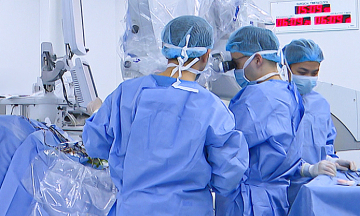
Master of Science, Doctor Dao Van Minh, from the General Surgery Department, prescribed endoscopic surgery for the patient using the totally extraperitoneal repair (TEP) technique. The doctor made small incisions in the abdominal wall, inserted a trocar into the preperitoneal space to expose and manage each hernia sac, return the organs to the abdominal cavity, and place a mesh to reinforce the abdominal wall.
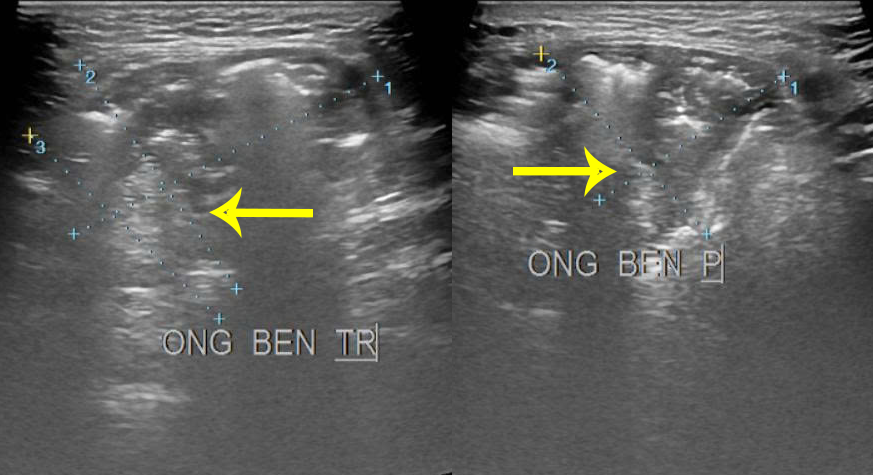 |
Mr. O's bilateral inguinal hernias on ultrasound images. *Photo: Tam Anh General Hospital* |
Doctor Minh stated that compared to other common intra-abdominal endoscopic techniques, the TEP method does not penetrate the peritoneal cavity, which helps reduce the risk of intestinal adhesion after surgery for patients.
Post-surgery, the patient was alert, experienced minimal pain, could mobilize early after approximately 12 hours, ate normally, and was discharged after two days.
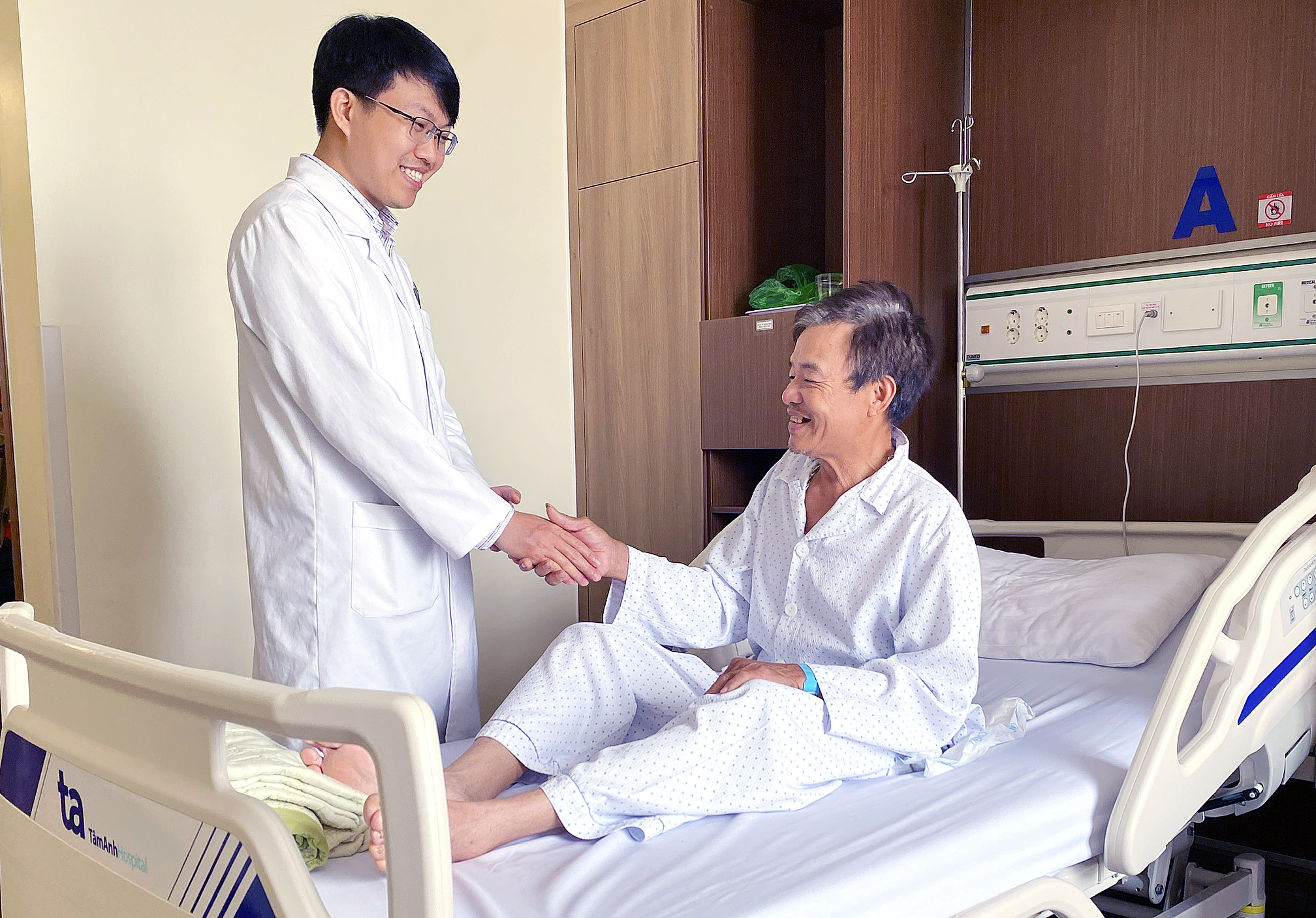 |
Doctor Minh advising Mr. O before discharge. *Photo: Tam Anh General Hospital* |
Inguinal hernia is a condition where abdominal organs, typically a loop of intestine, protrude through a weak point in the abdominal wall in the groin area. The aging process weakens tissue structures in this region, creating conditions for the hernia to form.
The condition is more common in men than women due to the anatomical characteristics of the groin region, particularly related to the presence of the spermatic cord. It frequently affects the elderly, individuals engaged in heavy labor, or those with factors that increase prolonged abdominal pressure, such as chronic cough or constipation.
The condition can progress to a strangulated hernia, leading to ischemia and intestinal necrosis. Symptoms of a strangulated hernia include severe pain, vomiting, inability to pass gas or stool, fever, and red or purple discoloration of the skin over the hernia, requiring emergency surgical intervention.
Doctor Minh advises patients who discover an abnormal bulge in the groin area to seek examination at a specialized hospital. In its early stage, inguinal hernia can be easily diagnosed through clinical examination and ultrasound, and effectively treated with minimally invasive endoscopic surgery. Patients should not delay treatment, as prolonged and severe hernia can lead to dangerous complications.
Thanh Long
| Readers can submit questions about digestive diseases here for doctors to answer. |