An imbalanced diet directly affects blood fat levels. While increasing green vegetables, fiber, and limiting fatty foods are crucial, selecting the right types of meat is also important.
To manage high blood fat, individuals should prioritize lean protein sources and specific cooking methods. Focus on skinless poultry, fish, frog, rabbit, or small quantities of other lean meats. Plant protein from beans and tofu is also a suitable choice to reduce saturated fat intake. When preparing meals, cooking methods should lean towards boiling, steaming, or pan-frying with minimal oil, rather than deep-frying.
Conversely, several types of meat should be strictly limited. Fatty meats such as pork belly, skin-on meats, and red meats (pork, beef, goat, lamb) contain high levels of cholesterol and saturated fat. Regular consumption of these fats increases LDL-c production in the liver, enhances cholesterol absorption from digestion, and promotes atherosclerotic plaque formation.
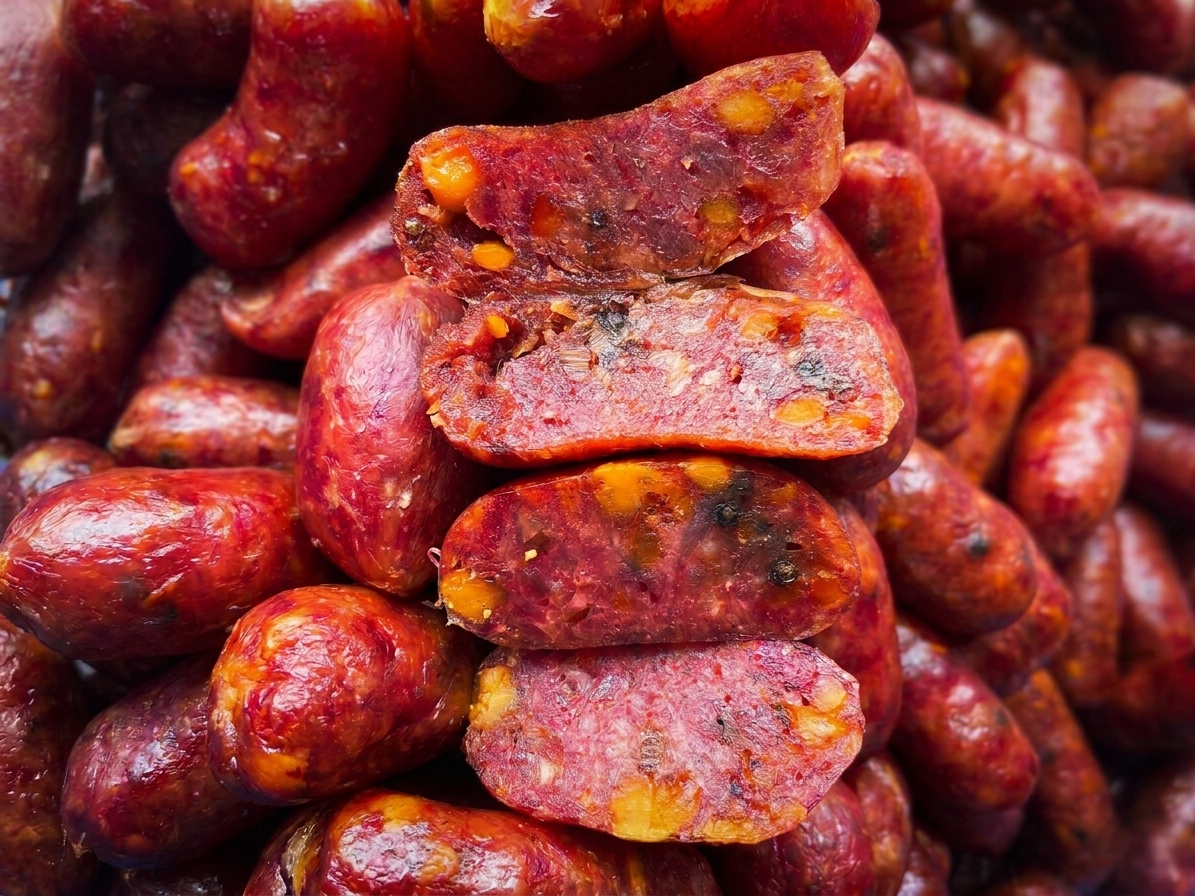 |
People with high blood fat should limit processed meats, which contain high levels of fat and salt. Photo: Dinh Dieu
Organ meats also require strict control in the diet of individuals with high blood fat. For example, 100 g of animal liver can contain over 400 mg of cholesterol, nearly meeting or exceeding the daily recommended cholesterol intake.
Processed meats like sausages, Chinese sausages, cold cuts, and shredded pork floss contain saturated fat, salt, and additives. Frequent consumption of these meats can easily raise blood fat levels and negatively impact blood pressure and cardiovascular health.
Beyond meat choices, a diet rich in fiber from green vegetables and whole grains helps reduce cholesterol absorption. For fruits, choose low-sugar varieties to avoid increasing triglycerides.
Dyslipidemia, or high blood fat, is a metabolic disorder affecting fat components in the blood, primarily characterized by elevated total cholesterol, LDL-cholesterol, and triglycerides, or reduced HDL-cholesterol. Recommended levels are below 200 mg/dL for total cholesterol, under 100 mg/dL for LDL-cholesterol, below 150 mg/dL for triglycerides, and above 50 mg/dL for HDL-cholesterol. An imbalance in these indicators allows fats to deposit easily on blood vessel walls, forming atherosclerotic plaques, narrowing the vessel lumen, and increasing the risk of cardiovascular disease.
Managing high blood fat is a long-term process that requires a combination of proper nutrition, regular exercise, and periodic check-ups. Selecting appropriate foods helps improve blood fat indicators and reduces the risk of cardiovascular complications. Supplementing with natural extracts like GDL-5 (Policosanol) from South American sugarcane wax also aids in regulating blood fat. This extract helps decrease bad cholesterol LDL-c while increasing good cholesterol HDL-c in the blood, limiting atherosclerotic plaque formation, and contributing to blood pressure stability.
Master, Doctor Doan Vinh Binh
Medical Information Center
Tam Anh General Hospital, TP HCM