Associate Professor, Doctor Nguyen Cong Long, President of the Vietnam Interventional Gastrointestinal Endoscopy Society (VIGES) and Director of the Bach Mai Institute of Gastroenterology, announced these figures at the 2nd National Conference on Interventional Gastrointestinal Endoscopy on 19/9.
Citing Global Cancer Observatory (Globocan) 2024 data, Long reported that Vietnam recorded 177,404 new cancer cases and 111,015 deaths. Digestive system diseases accounted for 56,340 new cases, nearly 32% of the total, and 41,401 deaths. Specifically, colorectal cancer ranked third in new cases, liver cancer ranked second in deaths, and stomach cancer ranked fifth in both categories.
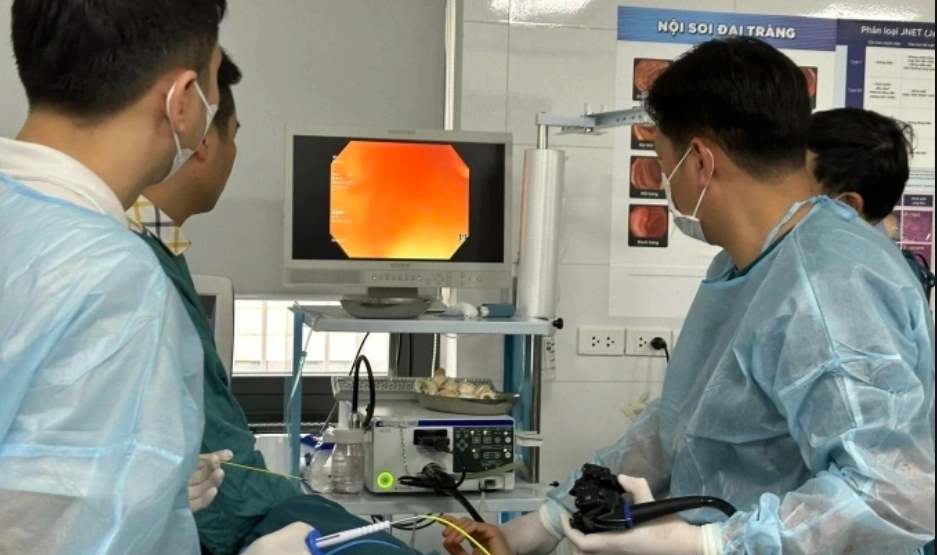 |
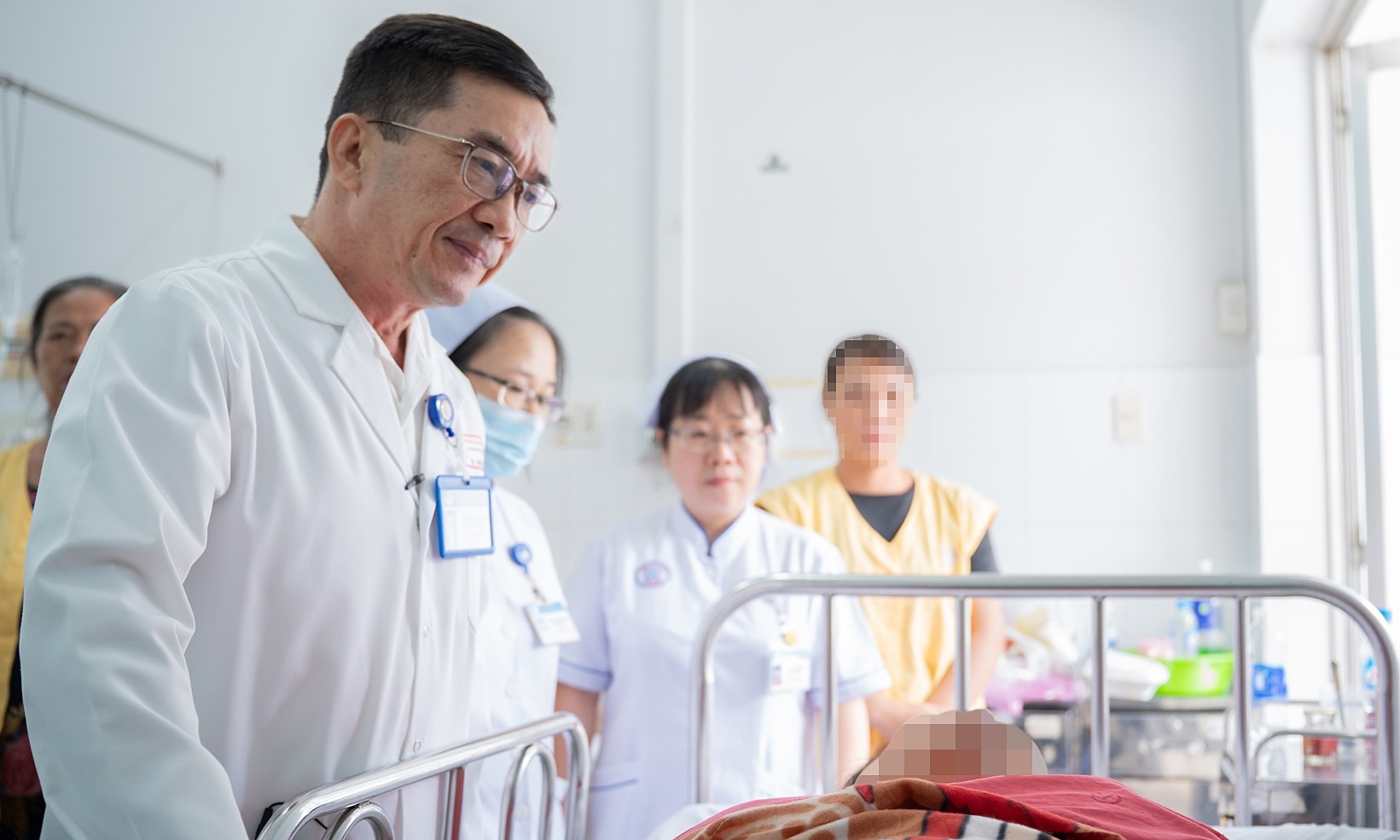
Patients undergoing gastroscopy and colonoscopy at Bach Mai Hospital. Photo: Le Nga |
A patient's survival depends directly on the timing of disease detection. Despite this, most patients in Vietnam seek medical attention when tumors have advanced to a late stage. A survey conducted at 12 central and local hospitals revealed that doctors detected only 115 early-stage cases out of 2,857 stomach cancer patients, a mere 4%. This figure is significantly lower than the 58% recorded in Japan and 63% in South Korea.
This reality underscores the need for the health sector to boost community screening and regular endoscopic check-ups. Long emphasized that the fight against digestive cancer must begin in the endoscopy room, not solely in operating theaters or oncology departments.
Early detection allows doctors to employ minimally invasive interventions instead of open abdominal surgery, which was previously common.
For example, endoscopic submucosal dissection (ESD) enables complete tumor removal from the digestive tract's mucosal layer via an endoscope, reducing bleeding and preserving organ structure. Endoscopic ultrasound (EUS) allows a probe to closely access the digestive tract wall for precise assessment of malignant cell invasion.
During the conference, Vietnamese doctors demonstrated ESD techniques under the supervision of international experts. They also engaged in in-depth discussions on applying artificial intelligence (AI) to scan for microscopic lesions during colorectal endoscopy.
Professor Thawee Ratanachu-Ek, a Thai expert who has supported Vietnam's endoscopy sector for over 10 years, recommended that the health sector standardize professional procedures across the entire system while integrating high technology. Standardized practices ensure that patients receive consistent quality of service regardless of the healthcare facility they visit.
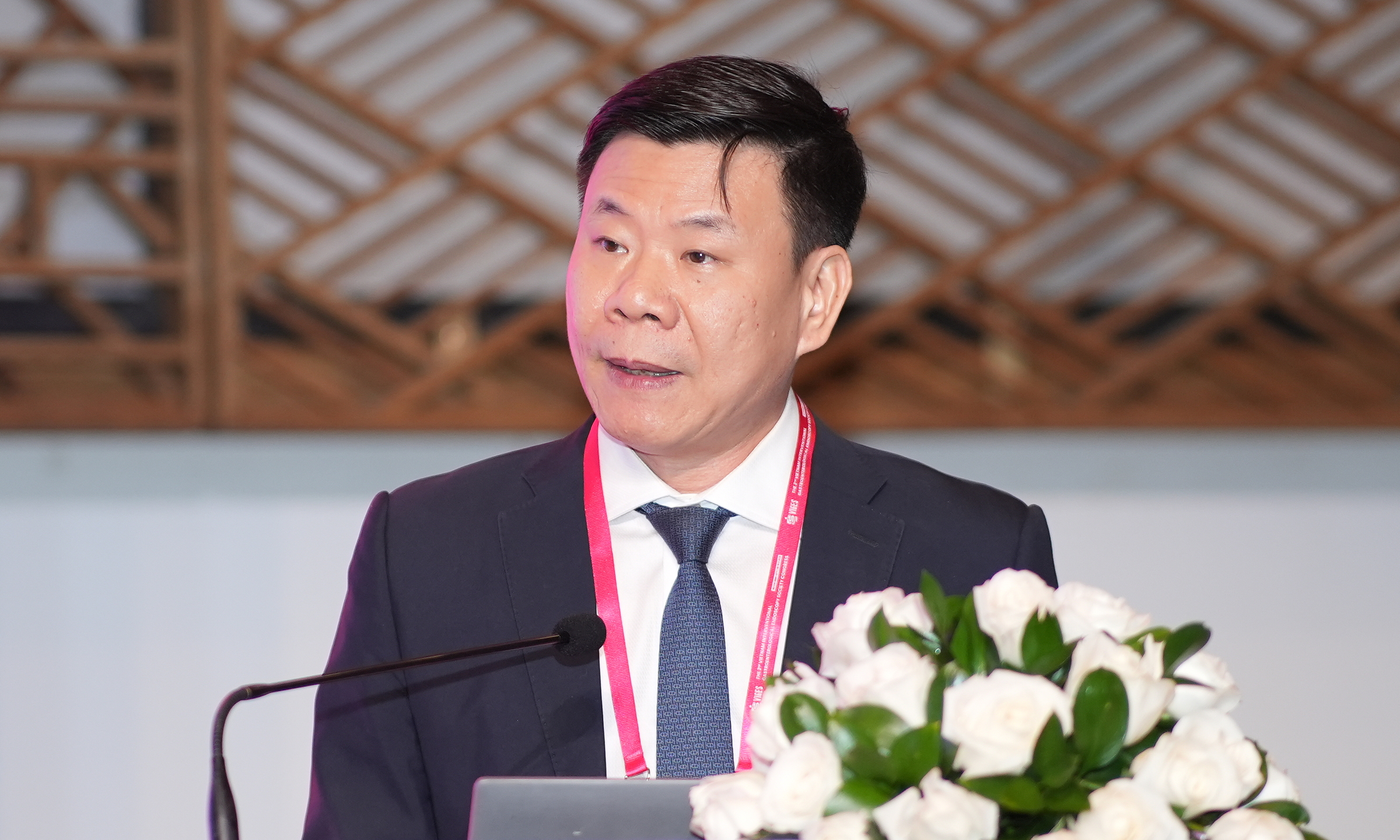 |
Associate Professor, Doctor Nguyen Cong Long presenting at the conference. Photo: Thai Ha |
Embracing this direction, VIGES aims to transfer these techniques to provincial and district hospitals. Long explained that professional transfer requires comprehensive training, covering correct diagnostic indications, patient selection, practical procedures, post-intervention follow-up, and complication control. This professional network will support grassroots facilities in performing techniques suitable for their existing equipment and provide timely assistance for complex cases.
Le Nga