When stressed, the heart often beats faster and stronger, and blood vessels constrict, causing blood pressure to rise. This is a normal physiological response to pressure. This blood pressure response to stress tends to be more pronounced in individuals who already have high blood pressure.
Doctor Doan Vinh Binh, from the Medical Information Center at Tam Anh General Hospital, provides guidance on how to manage blood pressure during stress.
Rest
If blood pressure is elevated immediately after experiencing anger, anxiety, or intense work, avoid drawing conclusions about its danger from a single reading. Instead, pause your work, sit down, and relax for about 5 minutes. Afterward, re-measure your blood pressure using the correct posture and procedure, refraining from talking during the measurement.
Each measurement should be taken twice, one to two minutes apart, and the results recorded. If the two readings show a significant difference in blood pressure or are unstable, you may rest for an additional 5-10 minutes before re-measuring. Monitoring multiple times at different intervals helps distinguish temporary stress-induced blood pressure spikes from persistently high blood pressure.
 |
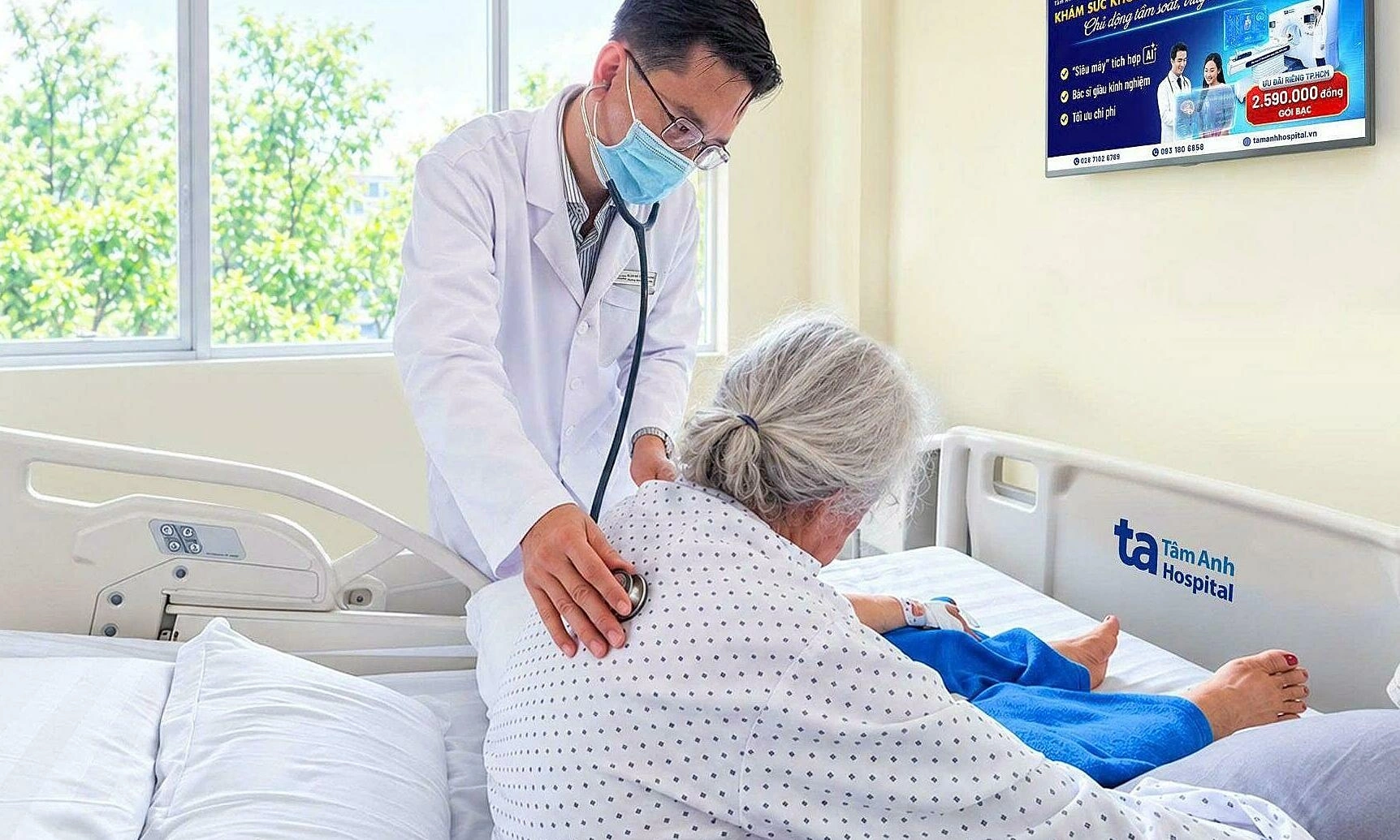
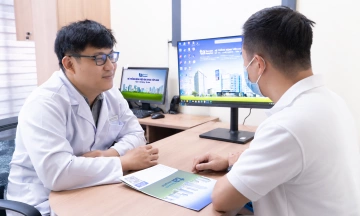
A doctor at Tam Anh General Hospital examining a patient. *Photo: Hospital provided*
Slow breathing
Instead of continuing to argue or tackle work while feeling angry, you can pause for a few minutes. Sit in a quiet place, relax your shoulders, and consciously breathe slowly and evenly. Slow breathing can reduce the body's stress response. In the long term, maintaining physical activity, getting enough sleep, and dedicating time to relaxing activities help manage stress.
Avoid coffee, alcohol, or smoking for relief
Under pressure, many people tend to consume more coffee to stay alert, smoke, or drink alcohol to relax. These habits do not resolve the stress response; instead, they can further increase blood pressure and exacerbate stress.
Monitor blood pressure even when not stressed
If blood pressure only rises during stressful moments but returns to normal after resting, you can continue to monitor it at home. Conversely, if readings are consistently high even when your body is relaxed, seek medical evaluation.
If blood pressure exceeds 180/120 mmHg, you should rest for at least one minute and re-measure. If it remains at this level, contact a medical facility for guidance. In cases accompanied by chest pain, shortness of breath, weakness or paralysis, vision changes, or difficulty speaking, seek emergency care immediately.
According to Doctor Binh, stress can elevate blood pressure, but it is often only one part of a larger issue. It is crucial to determine whether blood pressure is persistently high or only rises during periods of emotional change. If an individual is frequently stressed, their body constantly activates the sympathetic nervous system. Coupled with sleep deprivation, an unhealthy diet, insufficient physical activity, or stimulant use, these factors can make blood pressure more challenging to control.
To manage blood pressure, individuals should maintain a balanced diet, engage in regular physical activity, get sufficient sleep, and may consider supplementing with natural extracts such as GDL-5 (Policosanol), refined from South American sugarcane wax. When facing pressure, it is important to remain calm, rest, and relax, as avoiding prolonged stress also helps limit blood pressure spikes caused by stress.
A temporary increase in blood pressure during stress does not always equate to hypertension. However, regular monitoring of blood pressure readings and periodic health check-ups are necessary to establish appropriate management strategies.
Dinh Dieu
Readers can submit questions about cardiovascular diseases here for a doctor's response.