Answer:
Many people experience bloating, indigestion, dull abdominal pain, or bowel irregularities after Tet. These issues often arise from irregular eating habits and consuming many protein-rich, oily, or alcoholic foods and beverages. In most cases, symptoms last only two to three days. When individuals return to a balanced diet, increasing vegetables and fruits, drinking enough water, and limiting oily foods, bloating and abdominal discomfort gradually subside.
If digestive disorders persist for more than one week, and symptoms do not improve despite dietary adjustments, you should see a doctor to determine the underlying cause. Other situations that warrant medical evaluation include prolonged abdominal pain accompanied by changes in bowel habits, abnormal stool (persistent loose stools, narrow or flat stools, mucous stools), fatigue, loss of appetite, or rapid weight loss without dieting. These could indicate chronic digestive diseases or malabsorption.
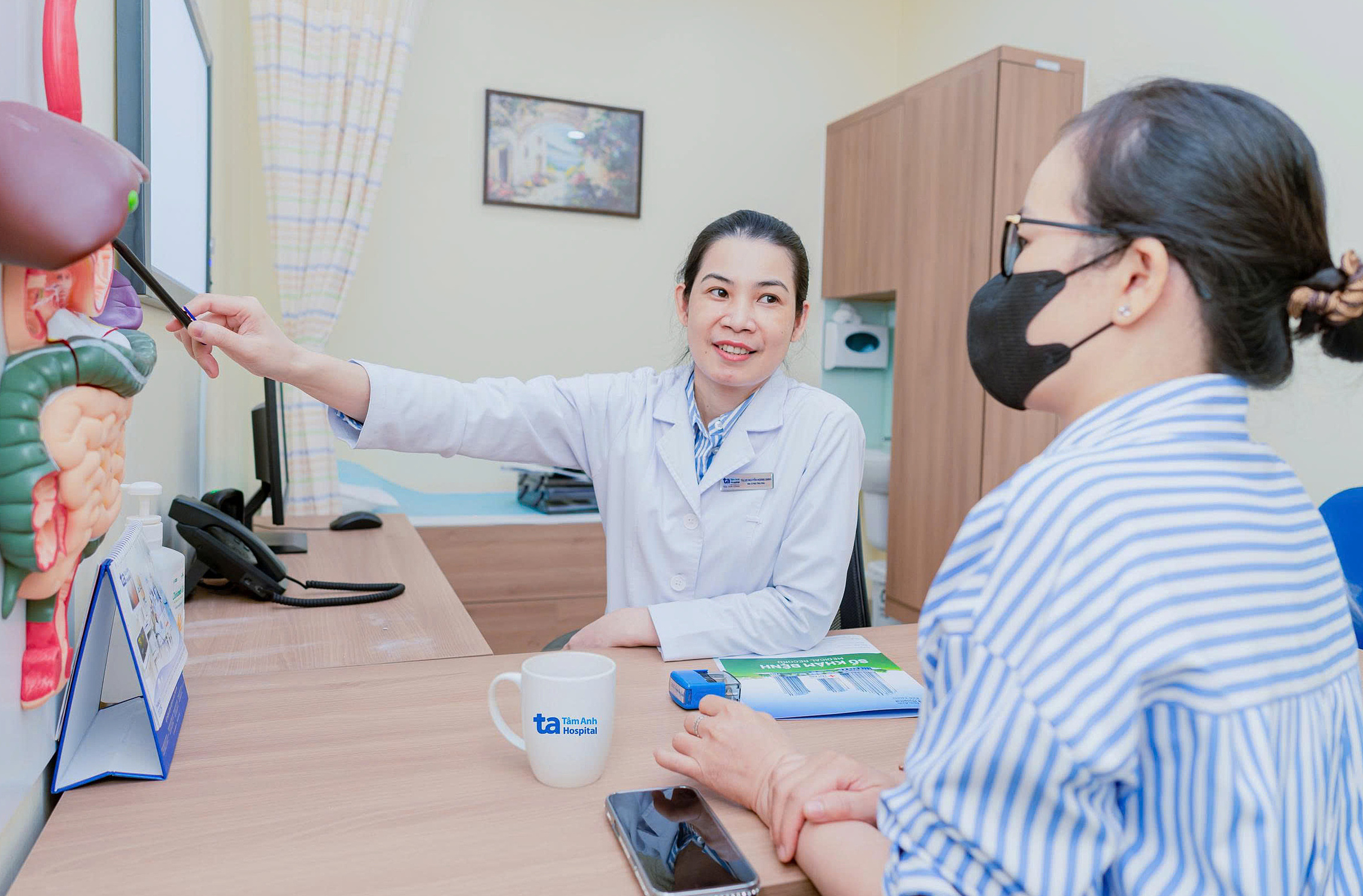 |
Doctor Oanh is advising a patient. Photo: Tam Anh General Hospital
Severe abdominal pain, continuous cramping in the lower abdomen or epigastric region (above the navel), a rigid abdomen, high fever, or bloody stools may indicate appendicitis, pancreatitis, or an intestinal infection. These conditions require prompt examination and treatment to prevent complications. Persistent digestive disorders can also be symptoms of gastritis-duodenitis, stomach ulcers, or gastroesophageal reflux disease (GERD), often exacerbated by alcohol or spicy foods. Other cases may involve irritable bowel syndrome, food poisoning, parasitic infections, gallstones, hepatitis, or pancreatitis.
If your symptoms are accompanied by signs such as weight loss, anemia, bloody stools, or black stools, doctors will need to rule out malignant conditions like stomach or colon cancer. Doctors will review your symptoms, medical history, eating habits, and perform a clinical examination to guide the diagnosis. Depending on the case, patients may be prescribed blood tests, urine tests, abdominal ultrasound, X-ray, abdominal CT or MRI, or gastroscopy.
Treatment methods depend on the cause and severity of the illness. Mild disorders may be alleviated by rest and dietary adjustments. If a lesion requiring intervention is found, doctors may recommend endoscopic hemostasis, polyp removal, or obstruction treatment. Surgery is considered when digestive conditions cannot be managed with medical therapy or endoscopic intervention.
To minimize digestive issues after Tet, everyone should eat moderately, increase vegetables and fiber (approximately 300-400 grams daily), and drink 1.5-2 liters of water. Limit alcohol and oily foods. Maintaining physical activity, such as a 30-minute walk, significantly improves symptoms. Some individuals may use probiotics to support intestinal flora balance. If you experience persistent symptoms or warning signs, seek early medical examination for timely diagnosis and treatment.
Master, Doctor Nguyen Hoang Oanh
Department of Gastroenterology
Tam Anh General Clinic District 7
| Readers can ask questions about digestive diseases here for doctors to answer |