Doctor Nguyen Anh Duy Tung, a nutrition and dietetics specialist at District 7 General Clinic, advises parents to establish a balanced diet for children during Tet. This diet should prioritize easy-to-digest, fiber-rich foods with adequate nutrient groups to support stable digestive function and prevent digestive disorders, which can manifest with various symptoms.
Increase fiber-rich foods
Incorporating fiber-rich foods like fresh fruits and vegetables is crucial for alleviating constipation. In the large intestine, beneficial bacteria ferment fiber, which then absorbs water, increasing stool volume and promoting easier bowel movements. Parents should offer a diverse range of vegetables, including Malabar spinach, sweet potato leaves, amaranth, sweet potatoes, fish mint, centella asiatica, and cauliflower, alongside various fruits.
Supplement healthy fats from flaxseed oil and olive oil
Healthy fats from flaxseed oil and olive oil can significantly improve constipation and bloating in children. These oils act as a natural laxative and have anti-inflammatory properties. When absorbed, they lubricate the digestive system, stimulating intestinal movement. Additionally, fatty acids like oleic acid in olive oil help maintain a balanced gut microbiota, promoting the growth of beneficial bacteria.
 |
Children should eat fiber-rich foods during Tet to prevent constipation. Photo: Bui Thuy |
Children should eat fiber-rich foods during Tet to prevent constipation. Photo: Bui Thuy
Add fresh milk and yogurt to daily meals
To support children's recovery and digestive health, parents can introduce probiotic-rich foods such as yogurt. Probiotics promote the growth of beneficial gut bacteria, aid in nutrient absorption, stimulate appetite, and prevent common issues like bloating, indigestion, and constipation. According to doctor Tung, children should only eat one container of yogurt per day. Additionally, choosing fresh milk with natural sweetness and no added cane sugar can further support digestive fiber intake.
Increase magnesium and zinc-rich foods
Magnesium and zinc are vital for digestive health. Magnesium aids in smooth muscle contractions, ensuring regular intestinal movement. Zinc is essential for immunity, growth, and the repair of the intestinal lining. This micronutrient also regulates the nervous system, facilitates calcium transport to the brain, synthesizes growth hormones, and boosts the immune system. Excellent sources of magnesium include grains like black sesame, flaxseed, sunflower seeds, oats, wheat, and watermelon. Zinc can be found in abundance in beef, shrimp, crab, and oysters.
Establishing consistent eating habits is also key. Children should eat meals at regular times, maintaining their usual portion sizes. Encourage them to eat slowly, chew thoroughly, and avoid talking during meals to prevent bloating and discomfort. Opt for soft, easily digestible dishes like porridge or soup made with tenderloin, beef, or chicken. Additionally, children should avoid snacking between meals to allow for proper digestion.
Light physical activity after meals is beneficial. Parents can also gently massage a child's abdomen in a clockwise direction. This technique stimulates stomach and intestinal movement, aiding digestion, preventing food stagnation, and promoting easier bowel movements.
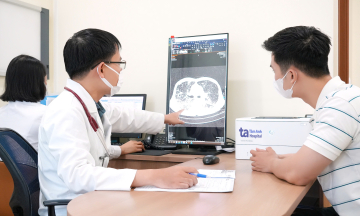
Doctor Tung advises seeking medical attention if a child exhibits persistent signs of digestive disorders, such as bloating or constipation. Advanced diagnostic tools, including the InBody 770 for body composition analysis and high-performance liquid chromatography (UPLC) for micronutrient testing, can identify specific nutrient deficiencies or excesses. This comprehensive assessment allows doctors to provide tailored and timely treatment.
By Quoc An
| Readers can submit nutrition questions here for doctor's answers |