Experiencing fatigue, reduced motivation, and difficulty concentrating after the Tet holiday is common. This phenomenon primarily stems from shifts in daily routines, sleep patterns, dietary habits, and the pressure of returning to work after an extended break. For most individuals, these are temporary adaptive responses by the body, not a medical condition.
During the Tet holiday, many people tend to sleep late, wake up late, consume alcohol, and eat foods high in fat, sugar, and salt, while engaging in less physical activity. This disrupts the body's biological clock, leading to poor sleep quality, daytime drowsiness, and decreased work performance. Upon resuming normal routines, the body typically requires a few days to about two weeks to adjust.
Beyond biological factors, emotional states also play a significant role. After a period of rest and family reunions, returning to a work environment with its inherent pressures and goals can create a sense of anticlimax, decreased interest, and temporary loss of motivation. This phenomenon is often referred to as "post-holiday syndrome".
However, if fatigue and lack of motivation persist for more than two weeks, accompanied by symptoms such as continuous sadness, severe sleep disturbances, loss of appetite or overeating, or difficulty concentrating, it is advisable to consult a neurologist or a clinical psychologist. These symptoms could indicate depression or an anxiety disorder, requiring professional medical evaluation.
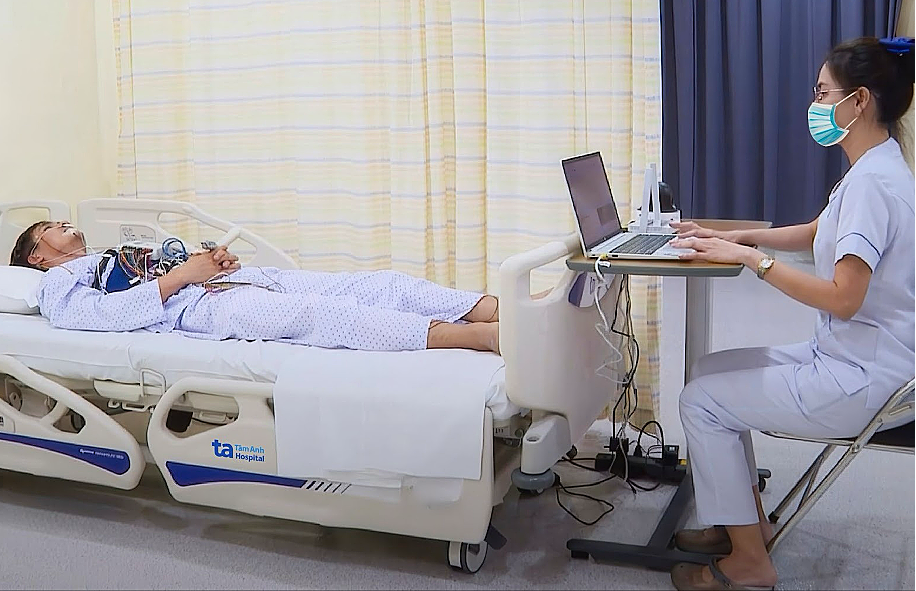 |
A patient undergoing polysomnography. *Illustrative photo: Tam Anh General Hospital*
To alleviate post-Tet fatigue, adults should establish a consistent sleep-wake schedule, aiming for 7-8 hours of sleep nightly. Incorporating light to moderate physical activity, such as walking, limiting alcohol consumption, avoiding late-night coffee, and maintaining a balanced diet are also beneficial. It is advisable to gradually resume work routines rather than immediately overwhelming oneself with pressure. Creating short-term task lists and setting small daily goals can help restore a sense of control and boost motivation.
If symptoms significantly impact work performance, daily activities, or persist without improvement despite lifestyle adjustments, individuals should seek medical consultation for appropriate advice and intervention.
Dr. Nguyen Huu Khanh
Department of Neurology, Neuroscience Center
Tam Anh General Hospital, Ho Chi Minh City
| Readers can submit questions about neurological conditions here for doctors to answer. |