Answer:
Dizziness is a feeling of disorientation in space, causing a person to perceive themselves or their surroundings as spinning, swaying, tilting, or moving, even when there is no actual movement.
The vestibular system, part of the nervous system located behind the cochlea, plays a role in maintaining balance and coordinating eye, head, and body movements. Vestibular disorders include both peripheral and central types.
Dizziness that occurs when changing head posture, such as suddenly sitting up, bending down, or tilting the head back, is a classic symptom of benign paroxysmal positional vertigo (BPPV), also known as displaced otoliths (ear stones). BPPV happens when calcium carbonate crystals (otoliths) move and become trapped in the semicircular canals, irritating the vestibular system when head positions change suddenly, triggering a dizzy spell.
Patients typically experience intense spinning sensations lasting from a few seconds to less than one minute. These symptoms often come with nausea, temporary loss of balance, and lightheadedness, increasing the risk of falls, particularly in older adults.
 |
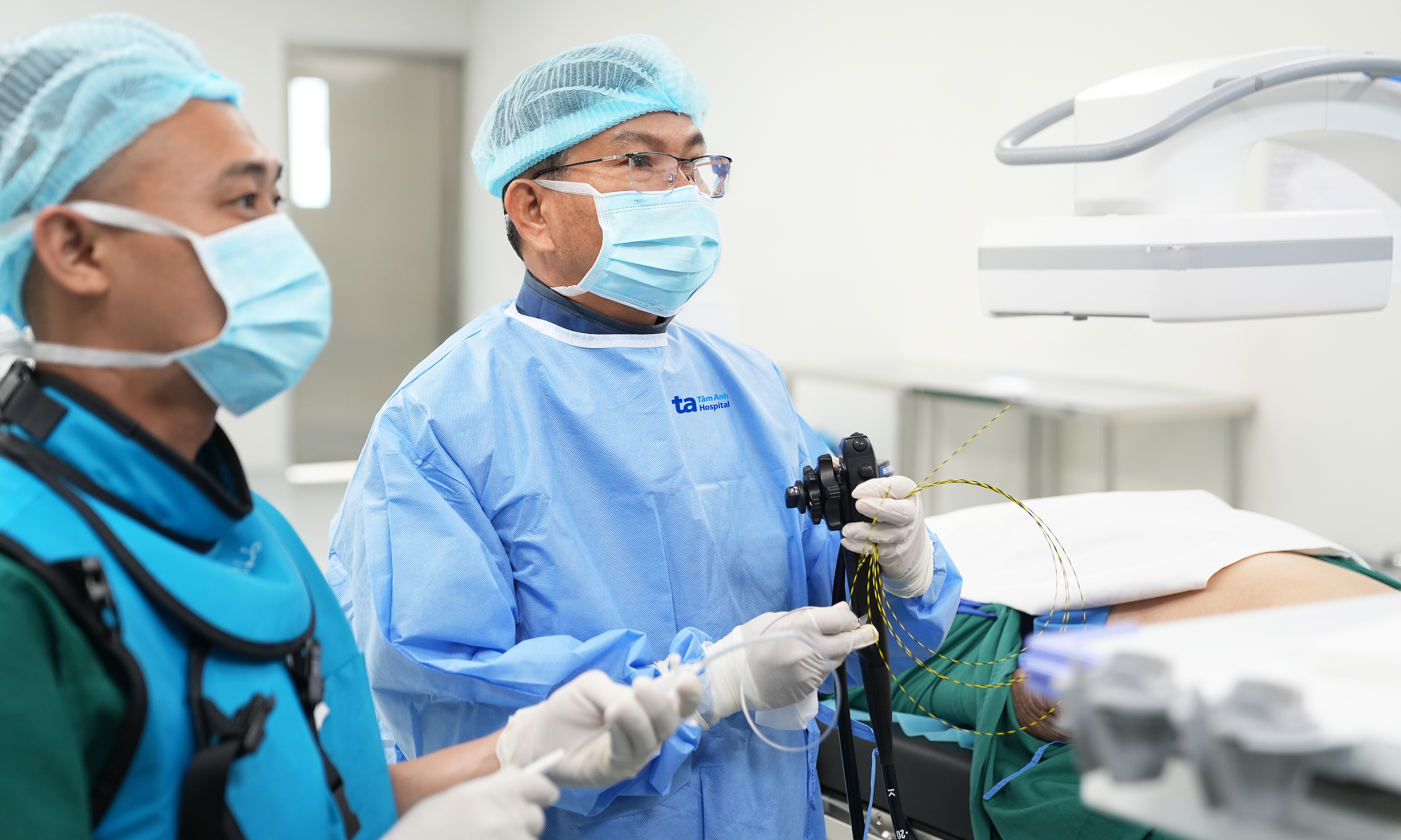
A patient undergoes a vestibular function test using an Interacoustics system with AI-powered videonystagmography (VNG) technology. Photo: Tam Anh General Hospital |
Previously, vestibular disorders caused by BPPV were considered incurable. However, current AI-powered vestibular function measurement technology assists doctors in diagnosis and can cure the condition within one to two weeks of treatment.
Dizziness can improve when patients perform exercises aimed at repositioning the otoliths, such as Epley, Semont, BBQ Roll, Gufoni, and Yacovino maneuvers. These exercises can be done at the hospital or at home under a doctor's guidance.
However, dizziness can also stem from many other medical conditions. You should seek a medical examination for an accurate diagnosis and appropriate treatment. If dizziness lasts for many hours, accompanied by severe headache, double vision, difficulty speaking, limb weakness, or severe loss of balance, patients should go to a medical facility for examination to rule out dangerous neurological causes like stroke.
Master of Science, Doctor, First-Degree Specialist Nguyen Trung Nguyen
Ear, Nose, and Throat Center
Tam Anh General Hospital TP HCM
| Readers can submit questions about ear, nose, and throat conditions here for doctors to answer |