Reply:
Nutrition plays a crucial role and directly impacts bone and joint health. Individuals with obesity and a herniated disc need adequate nutrition to support the internal healing of damaged discs. Additionally, patients should avoid overeating, which leads to excessive weight gain and exacerbates herniated disc symptoms.
You should limit refined carbohydrates found in cookies, pastries, potato chips, white bread, and fatty foods. These contain saturated fats and high calories, contributing to obesity, increasing pressure on the musculoskeletal system, and hindering recovery. Such foods often contain preservatives and flavor enhancers that can cause inflammation, worsening herniated disc conditions.
Instead, individuals with a herniated disc should incorporate calcium-rich foods: peas, black beans, fresh milk, yogurt, salmon, sardines, and green vegetables. Calcium is a mineral crucial for bone formation and development, essential for patients during treatment and recovery from a herniated disc.
Once in the body, omega-3 fatty acids convert into prostaglandins, hormone-like biological lipid compounds that mediate reproductive regulation and help reduce inflammation. Therefore, you should add omega-3-rich foods: salmon, sardines, tuna, mackerel, herring, and soybeans.
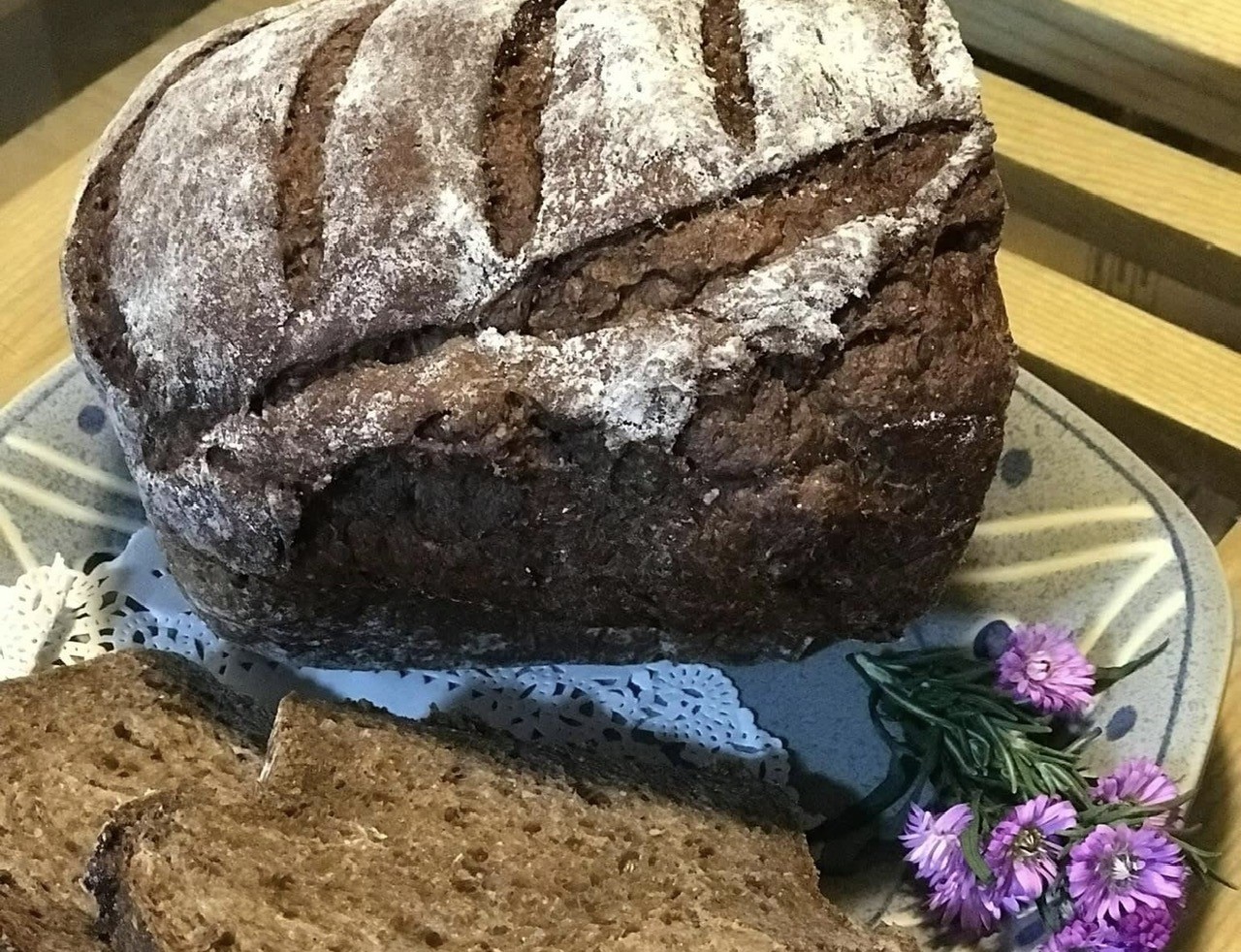 |
Black bread adds fiber, helping herniated disc patients lose weight. Photo: Duc Hanh
Fiber reduces appetite, promotes satiety, and aids weight loss, thereby lessening the burden on the spine. Fiber-rich foods include: whole grains, whole wheat bread, dark bread, fruits, and green vegetables.
Supplementing with vitamins D, K, C, and B12 can help the body metabolize calcium, protect the skeletal system, and synthesize protein. Vitamin-rich foods include: salmon, milk, animal liver, green vegetables, asparagus, eggs, and juicy fruits.
You should drink sufficient water, milk, and dairy products. Prioritize citrus fruits, sour-tasting fruits, and those rich in vitamin C. Limit alcoholic beverages and stimulants like alcohol, beer, and tobacco, as caffeine depletes calcium and mineral levels in the body, increasing the risk of bone and joint pain.
Nutrition Specialist Bui Thi Phuong Linh
Endocrinology - Diabetes Unit
Tam Anh Clinic District 7