 |
Lungs are constantly exposed to air, fine dust, and pollutants, making them susceptible to oxidative stress and inflammation. According to the Times of India, a diet rich in antioxidants and anti-inflammatory compounds can help protect lung tissue, support respiratory function, and reduce damage from environmental factors.
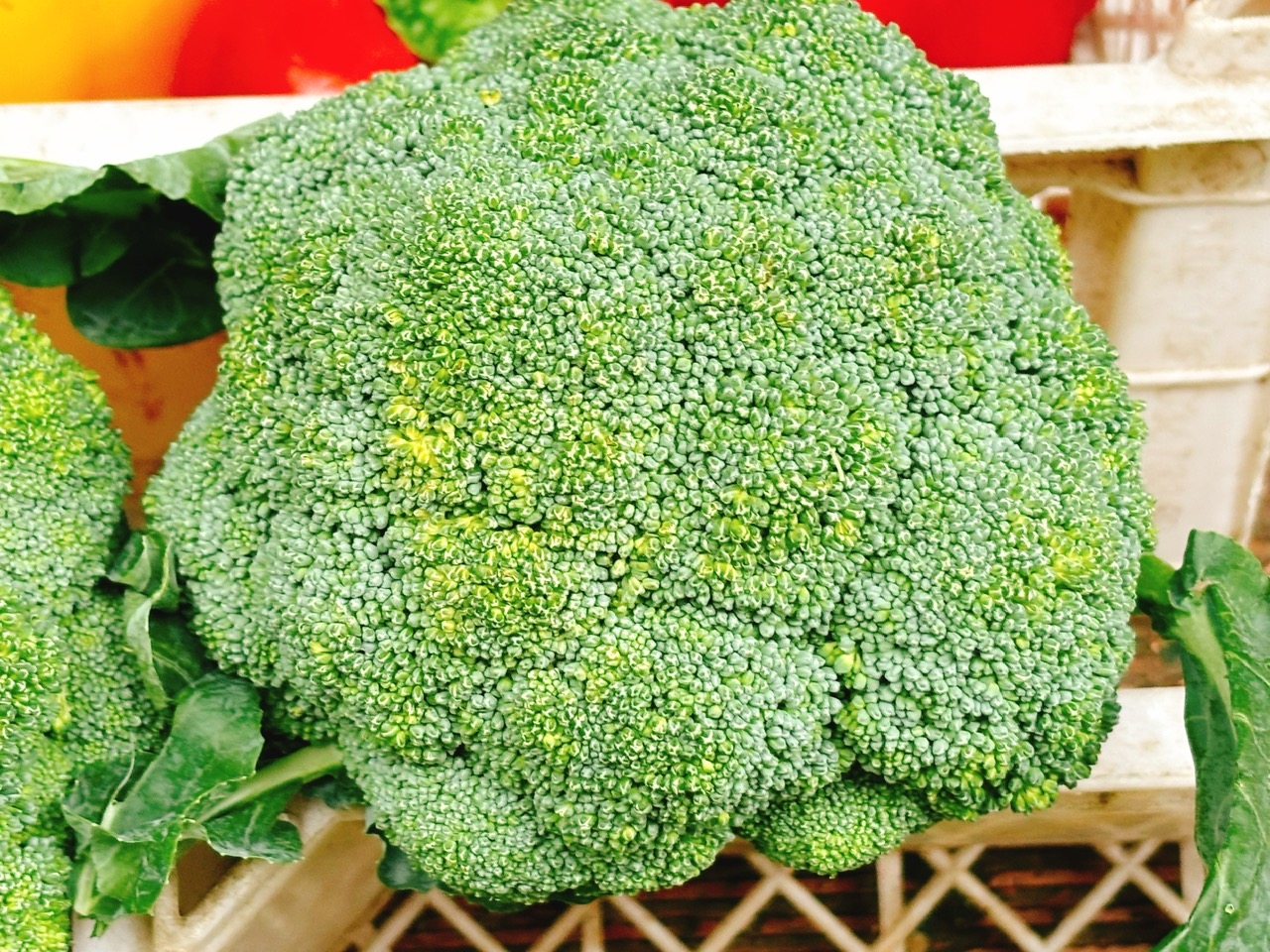
Cruciferous vegetables
Broccoli, cauliflower, kale, brussels sprouts, and cabbage are packed with vitamin C, fiber, and plant compounds like sulforaphane.
Sulforaphane has antioxidant properties, protecting cells from free radical damage. Regular consumption of cruciferous vegetables also helps reduce inflammation in the body, supporting lung health.
According to Eatingwell, kale is rich in vitamin K1, a nutrient linked to improved lung function and a lower risk of chronic obstructive pulmonary disease (COPD).
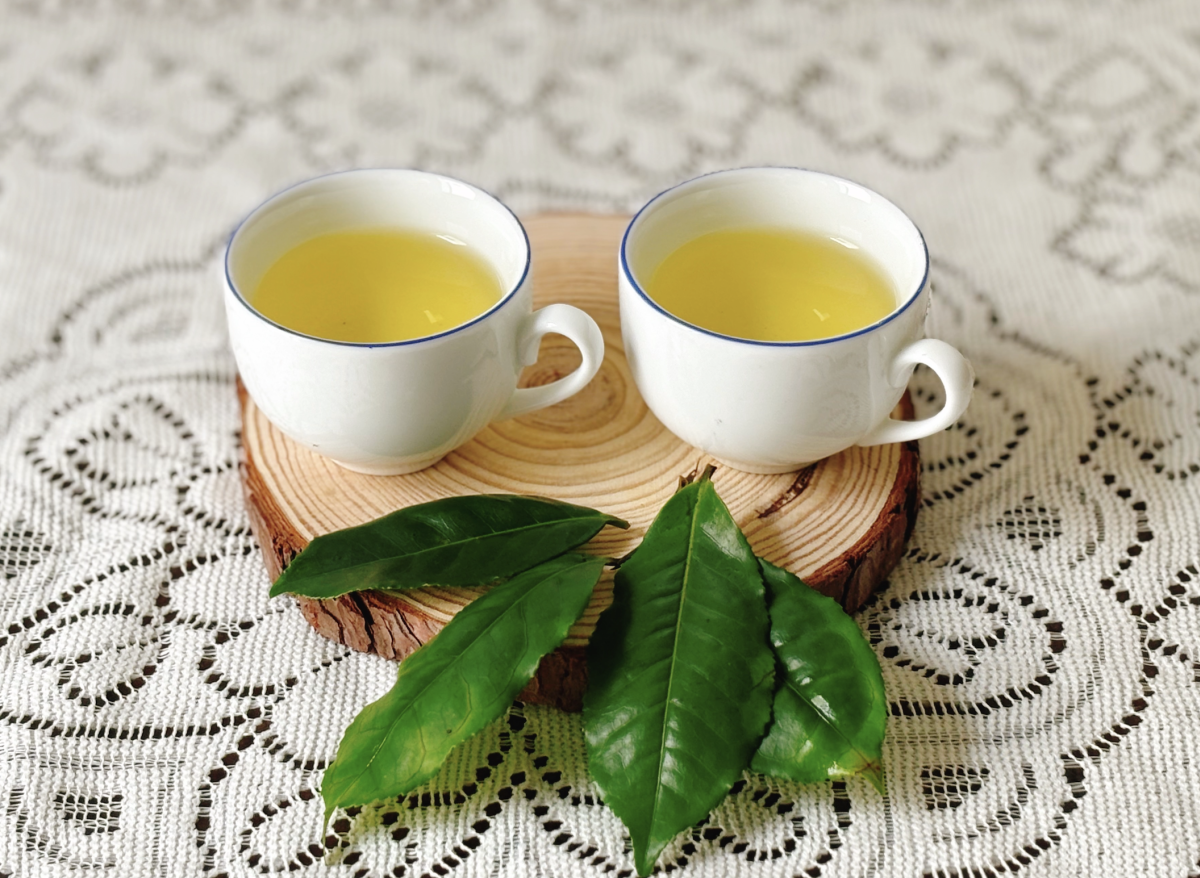 |
Green tea
Green tea contains catechins, a group of polyphenols with powerful antioxidant capabilities. Catechins help reduce oxidative stress and inflammation, thereby protecting lung health. However, it should be consumed in moderation, and added sugar should be limited to maximize its benefits.
 |
Tomatoes
Tomatoes are a rich source of lycopene, the antioxidant responsible for their distinctive red color. Lycopene can help reduce respiratory inflammation and protect lung tissue from pollution and smoke. Cooked tomatoes or those prepared with a small amount of vegetable oil enhance lycopene absorption.
 |
Ginger
Ginger is used as a spice and medicine in many traditional practices. Its active compounds possess anti-inflammatory properties, which help soothe airways and reduce irritation. Ginger can also be consumed as a tea or added to everyday meals.
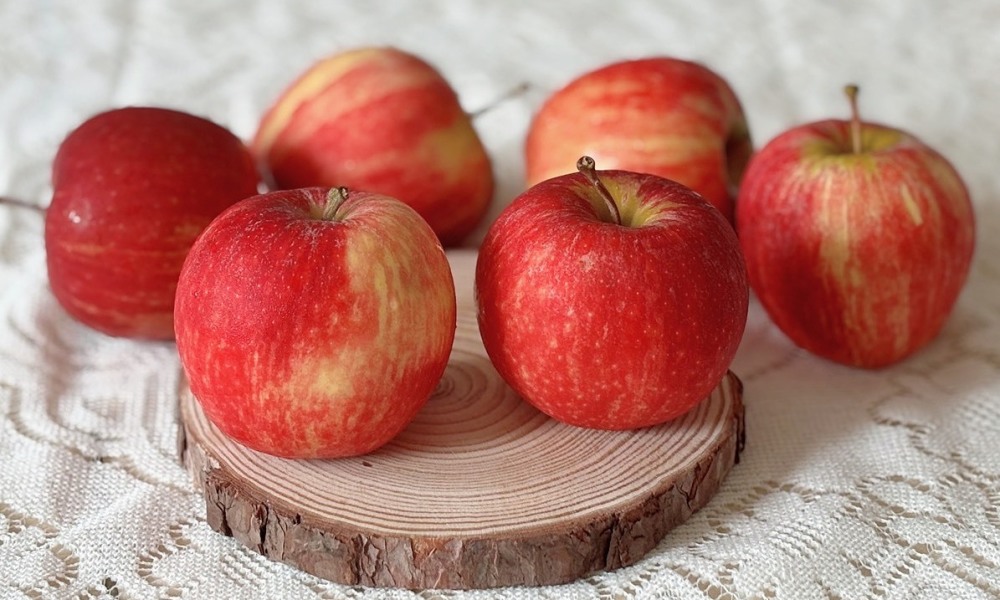 |
Apples
Apples contain beneficial compounds such as flavonoids, vitamin C, and soluble fiber. These antioxidants help protect lung cells from free radical damage. Eating apples regularly also supports better respiratory function.
By Bao Bao (Compiled).
Photos: Bao Bao, AI, Bui Thuy.