Most colon polyp removal procedures do not require hospitalization, with patients typically discharged the same day. The need for an inpatient stay depends on the polyp's characteristics, the intervention method used, and the patient's overall health. For small to medium-sized polyps and simple lesions removed using minimally invasive endoscopic techniques, the risk of complications is low, and patients usually undergo brief post-procedure monitoring before being discharged on the same day.
However, hospitalization, typically for one to two days, is often necessary for larger, numerous, or complex polyps. It is also required for patients with underlying medical conditions needing close management or those who develop post-procedure complications like: prolonged bleeding, severe abdominal pain, fever, or suspected infection.
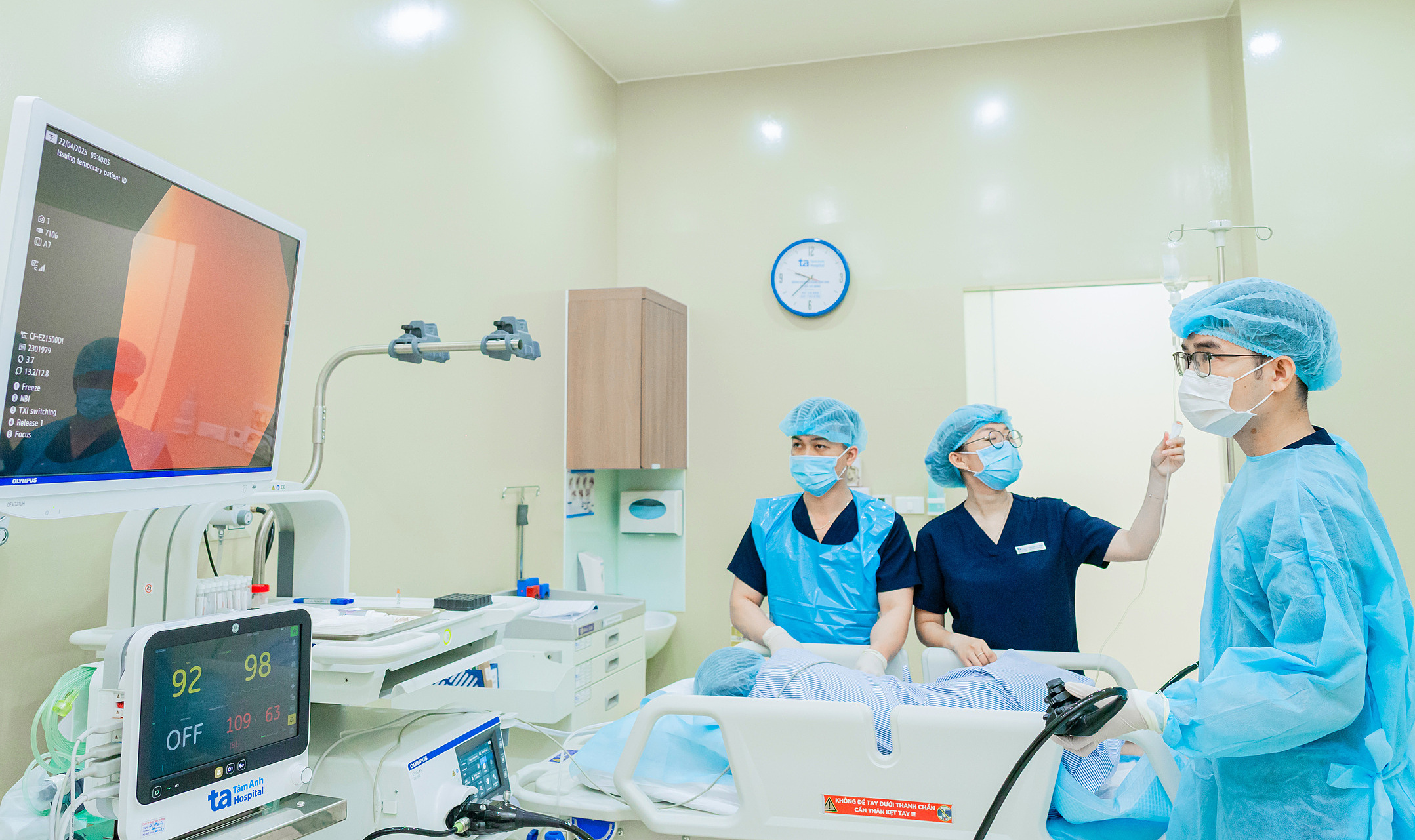 |
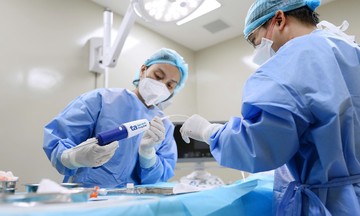
Doctor Lai performs a colonoscopy for a patient. *Photo: Tam Anh General Hospital* |
Even without hospitalization, close monitoring for abnormal signs at home is crucial after polyp removal. Patients should seek immediate medical evaluation if they experience worsening abdominal pain, bloating, high fever, nausea, vomiting, black stools, or fresh blood in their stools, to prevent potential complications.
Post-procedure care is vital for recovery. During the first few days, patients should prioritize soft, easily digestible foods such as: porridge and soup. They should also limit alcohol, spicy foods, and any items that might irritate the colon lining. It is essential to strictly follow the doctor's medication instructions, avoiding self-discontinuation or adding new medications without prior consultation.
Patients should also avoid heavy labor and high-intensity physical activities initially to minimize the risk of post-polypectomy bleeding. Attending scheduled follow-up appointments is crucial to assess treatment outcomes, monitor for recurrence, and adjust the care plan as needed.
While most patients undergoing colon polyp removal do not require hospitalization, this decision ultimately rests on the doctor's specific assessment for each individual case.
Dr. Nguyen Ngoc Lai, First-Degree Specialist
Endoscopy Unit
Tam Anh General Clinic, District 7
| Readers can submit questions about digestive diseases here for a doctor's response. |